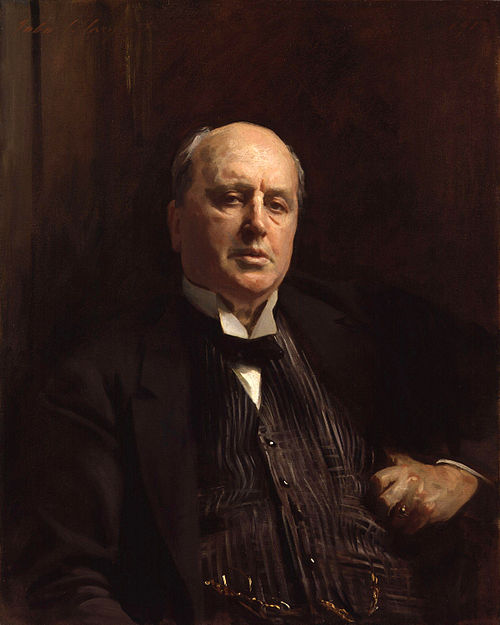
Henry James
Biography
Henry James (1843-1916) was an American-British author regarded as a key figure in 19th-century literary realism and a master of psychological fiction. Born in New York City into an intellectually distinguished family, he moved to Europe in his thirties and eventually became a British citizen shortly before his death. James's novels explore the clash between American innocence and European sophistication, examining consciousness and moral complexity with unprecedented subtlety. Major works include The Portrait of a Lady (1881), The Wings of the Dove (1902), and The Ambassadors (1903). His psychological ghost story The Turn of the Screw (1898) remains one of literature's most debated texts. James's innovative narrative techniques, including extended use of a character's point of view and his famous "late style" of intricate prose, influenced modernist writers including Joyce and Woolf. He wrote twenty novels, over one hundred short stories, and important criticism. His exploration of the inner life established him as a pioneer of psychological realism.
Common themes in Henry James's work
Psychological realism
A recurring theme throughout Henry James's writing.
Americans and Europeans
A recurring theme throughout Henry James's writing.
Innocence and experience
A recurring theme throughout Henry James's writing.
Consciousness and perception
A recurring theme throughout Henry James's writing.
Books
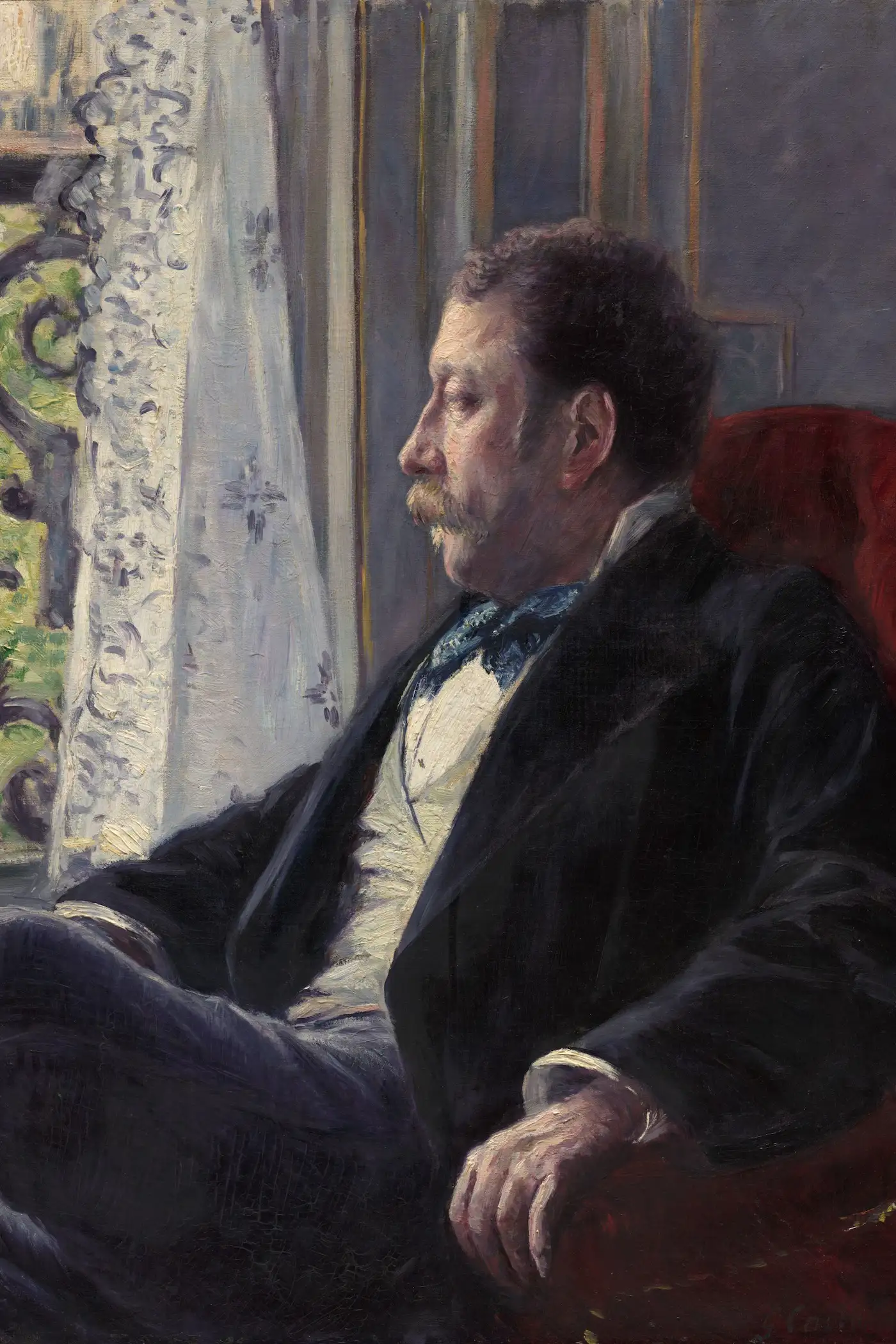
The Ambassadors
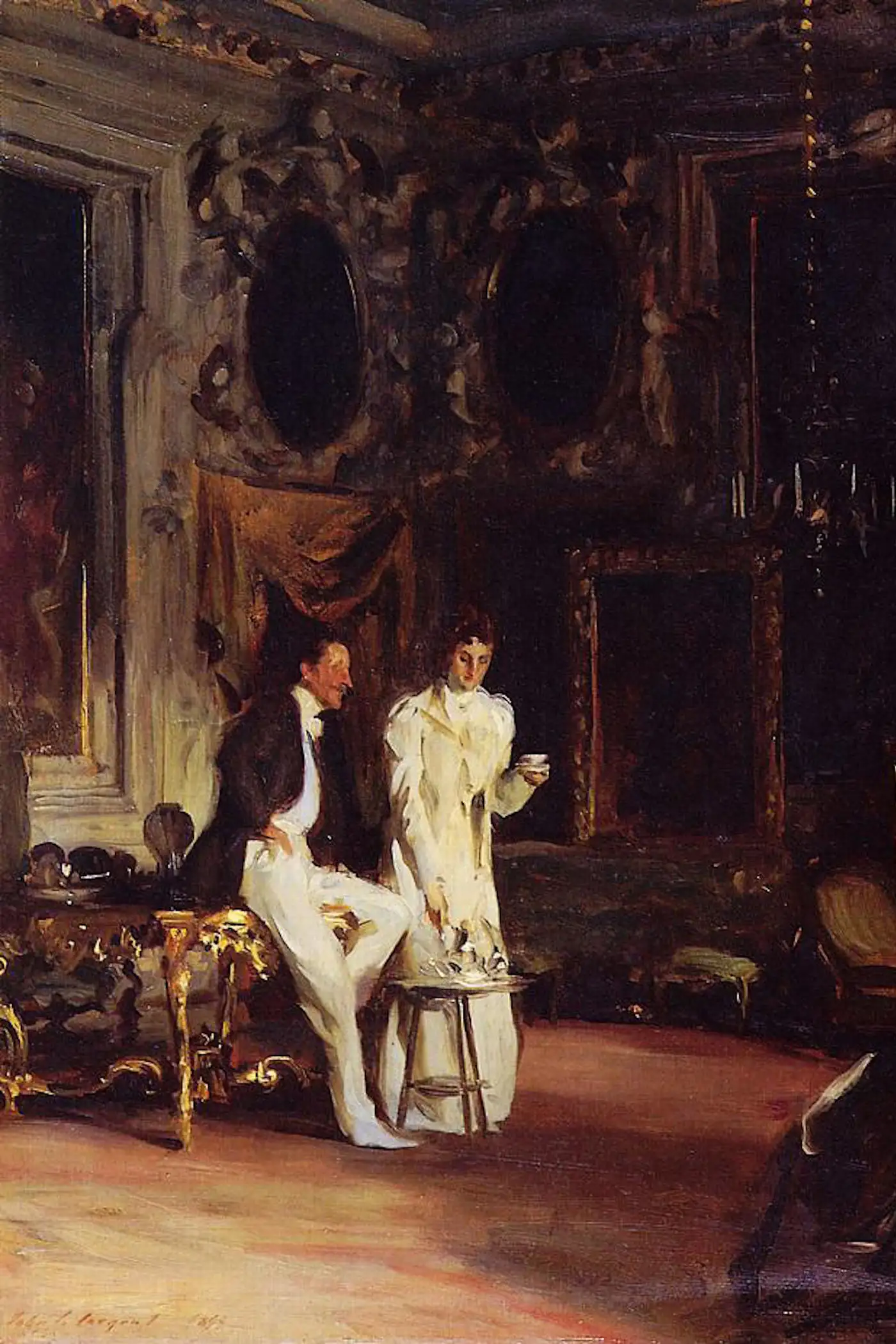
The Wings of the Dove
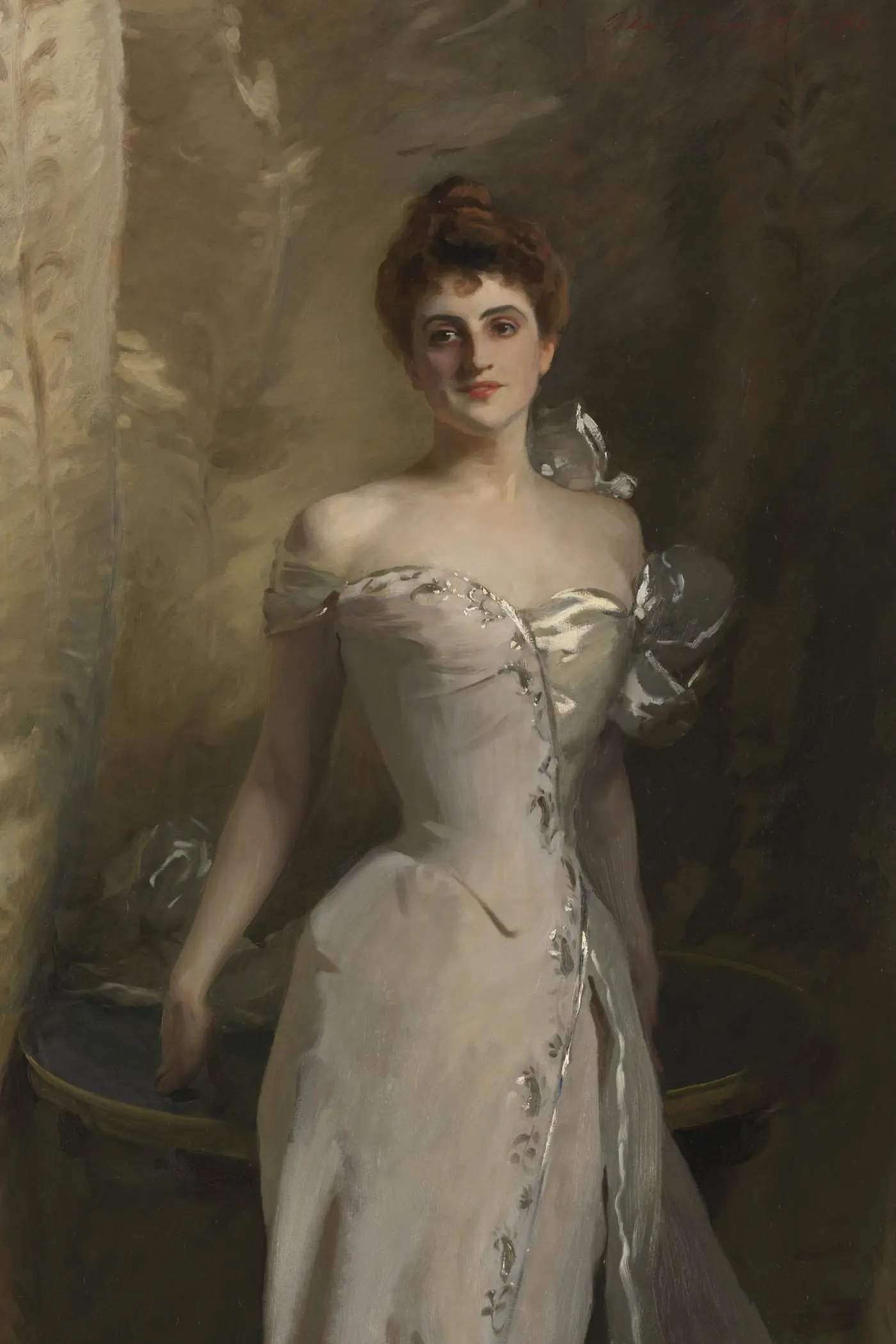
The Golden Bowl
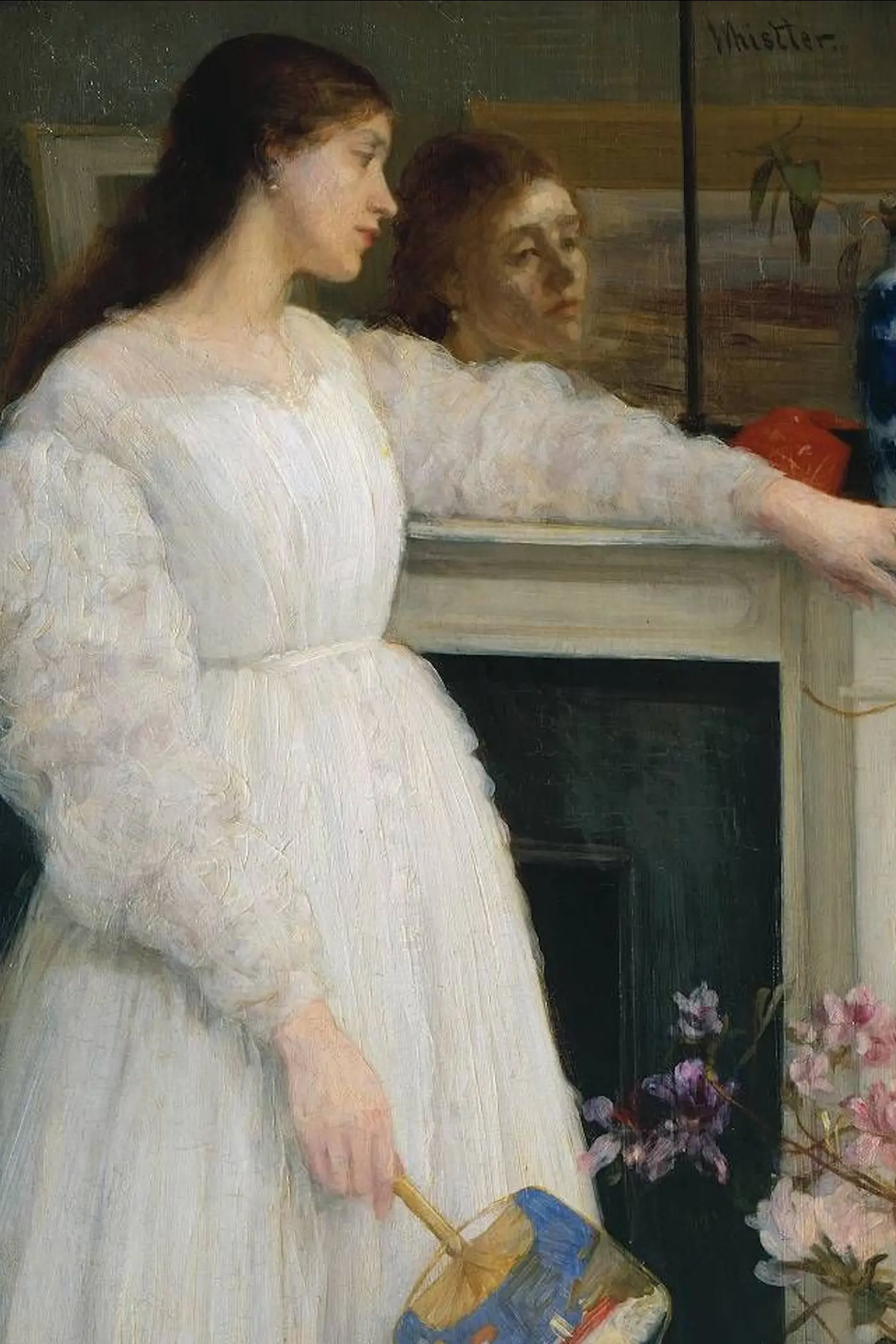
Washington Square
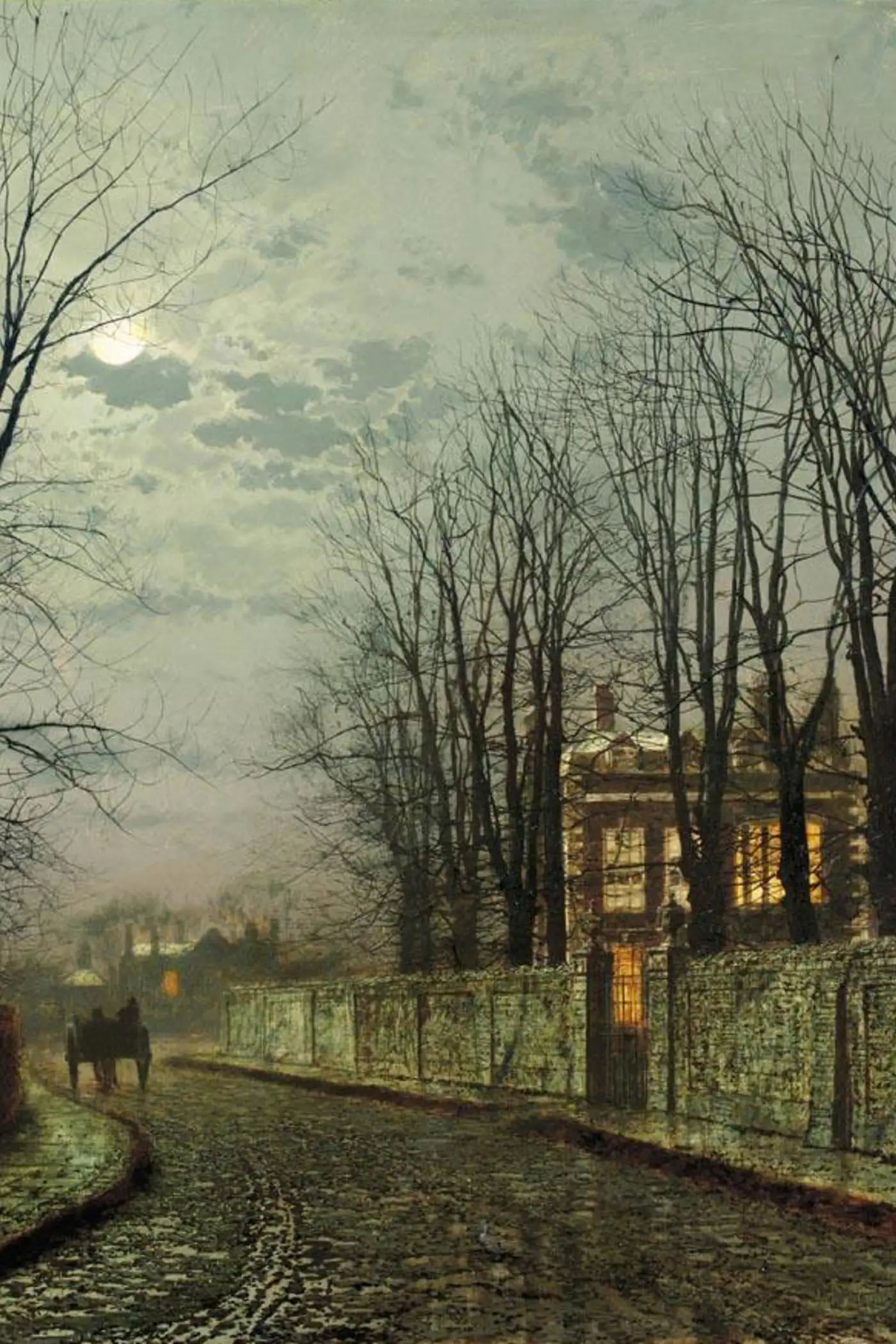
The Turn of the Screw
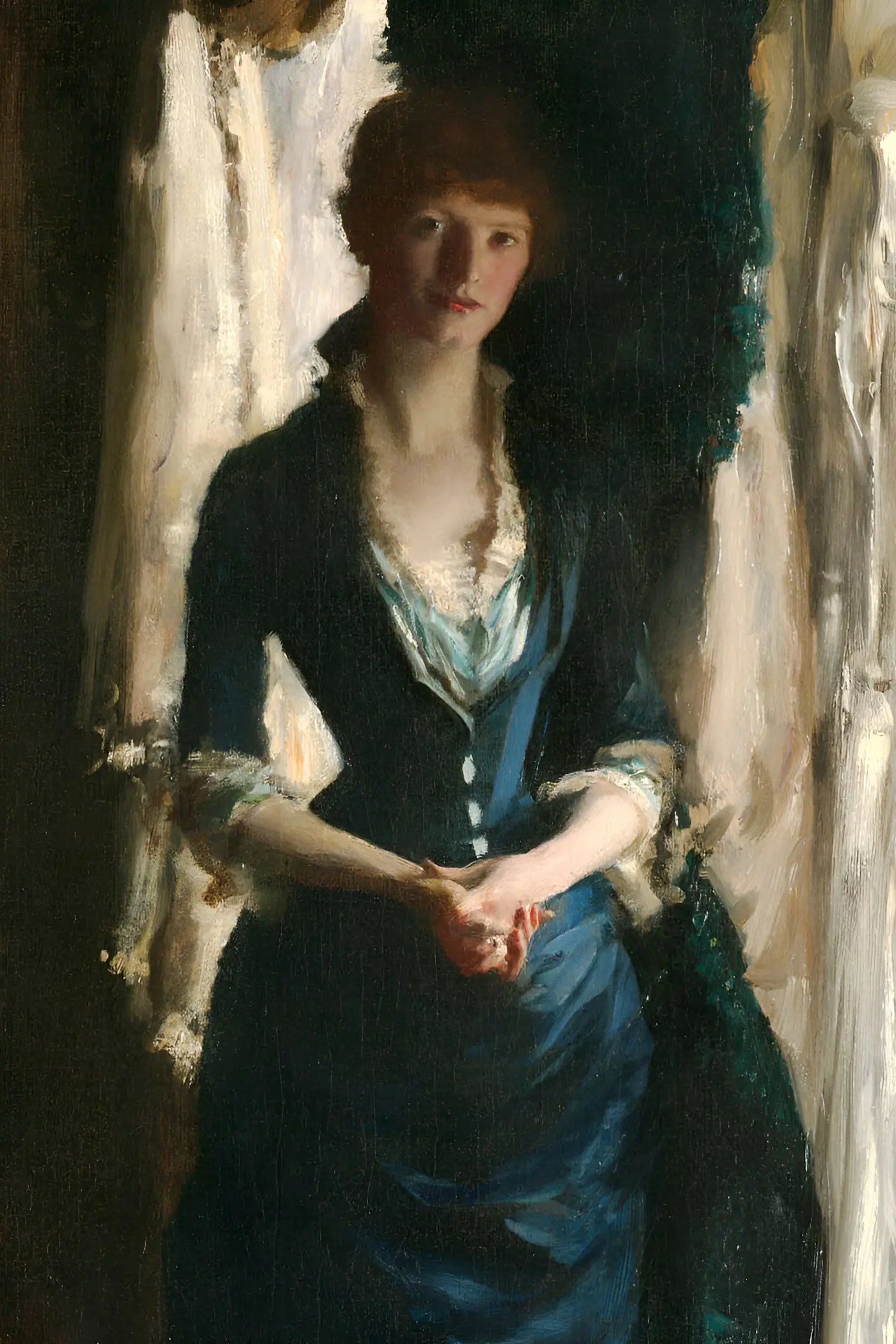
The Portrait of a Lady
Explore by genre
Other authors you may enjoy
Why Henry James is still read today
Henry James (1843-1916) is considered one of the greatest novelists in English, a master of psychological realism who transformed the novel into an art form of unprecedented subtlety. His major phase works—"The Wings of the Dove," "The Ambassadors," and "The Golden Bowl"—achieve an almost unbearable complexity of consciousness, while earlier works like "The Portrait of a Lady" and "The Turn of the Screw" have become classics. James's famous "international theme"—Americans encountering European civilization—explored innocence and experience with profound insight. His influence on later writers, from Edith Wharton to modernists like Woolf and Joyce, established him as the novelist's novelist.
Frequently Asked Questions
Why is Henry James considered a master novelist?
James brought unprecedented psychological depth to the novel, exploring consciousness with a subtlety no one had achieved before. His technical innovations—particularly point of view and narrative perspective—influenced virtually every serious novelist who followed.
What is the international theme?
James repeatedly explored Americans encountering European civilization—innocent New World characters confronting sophisticated Old World complexity. This allowed him to examine culture, morality, and identity from multiple perspectives.
Why is James considered difficult?
His late style features long, complex sentences tracking minute movements of consciousness. The difficulty rewards patience—James's subtlety reveals itself through careful reading, offering depths unavailable to faster prose.
What are James's major phase novels?
The Wings of the Dove (1902), The Ambassadors (1903), and The Golden Bowl (1904) constitute his major phase. These late masterpieces push psychological realism to its limits, achieving complexity some find exhausting and others find exhilarating.
Where should I start with Henry James?
Washington Square or The Turn of the Screw are accessible shorter works. The Portrait of a Lady is his most beloved novel. The late masterpieces are for readers who have developed a taste for his style.
Essential cookies keep you signed in and save your reading progress. Analytics cookies help us understand how the site is used. You can reject analytics — we still work without them. Learn more in our Privacy Policy.