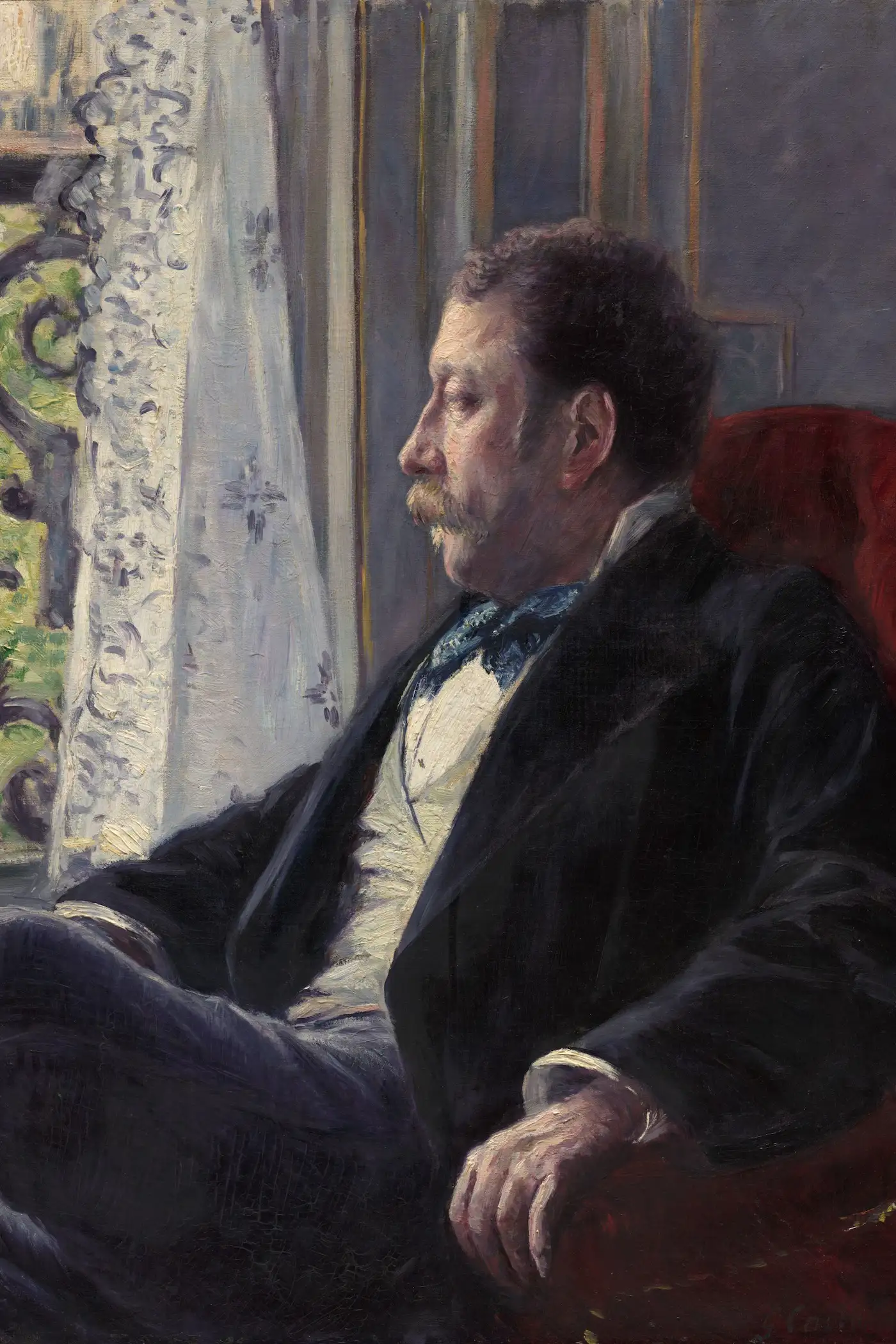
The Ambassadors
What is The Ambassadors about?
A middle-aged man named Lambert Strether is sent to Paris by his wealthy wife-to-be in order to convince her son Chad to return home to America and take over the lucrative family business. This turns out to be much easier said than done, as Strether finds Chad much better adapted to European life than anyone expected. James’ characteristically dense prose is matched by a cast of subtly realized characters who rarely say exactly what they mean. Widely regarded as one of James’ best novels, The Ambassadors explores themes of love, duty, and aging, all told through the eyes of a man who wonders if life hasn’t passed him by. This ebook follows the 1909 New York Edition, with one important exception: Since 1950, it has been generally agreed that the New York Edition had incorrectly ordered the first two chapters of Book XI. This text follows the convention of most printings since then, and the chapters have been returned to what is believed to have been James’ intended order.
Main themes in The Ambassadors
Consciousness and perception
The theme of consciousness and perception weaves through The Ambassadors, adding depth to its narrative.
American innocence abroad
The presence of american innocence abroad in The Ambassadors connects readers to its enduring relevance.
The unlived life
The theme of the unlived life weaves through The Ambassadors, adding depth to its narrative.
Paris and civilization
The theme of paris and civilization weaves through The Ambassadors, adding depth to its narrative.
Why The Ambassadors is still relevant today
The Ambassadors (1903) is James's own favorite among his novels and a summit of his art. Lambert Strether, sent to Paris to retrieve a young American from a supposedly immoral attachment, discovers European civilization and his own unlived life. James's late style reaches its height in this novel of consciousness, perception, and moral revelation. Its famous injunction—"Live all you can; it's a mistake not to"—encapsulates its theme.
More by this author



Frequently Asked Questions
What is The Ambassadors about?
Lambert Strether, a middle-aged American, is sent to Paris by wealthy Mrs. Newsome to bring back her son Chad. Instead, Strether discovers the beauty of European life and realizes how much he has missed by living too cautiously.
What is Strether's famous speech?
In the garden scene, Strether tells young Bilham: Live all you can; it's a mistake not to. It doesn't so much matter what you do in particular, so long as you have your life. This encapsulates the novel's theme of moral awakening.
Why did James consider this his best novel?
Its perfect execution of point of view—everything filtered through Strether's gradually enlightening consciousness—represented for James the ideal fusion of form and content.
Is this novel difficult?
It's considered one of his most demanding, with complex sentences tracking minute perceptions. But for readers who appreciate its subtlety, it offers one of literature's most profound explorations of awakening consciousness.