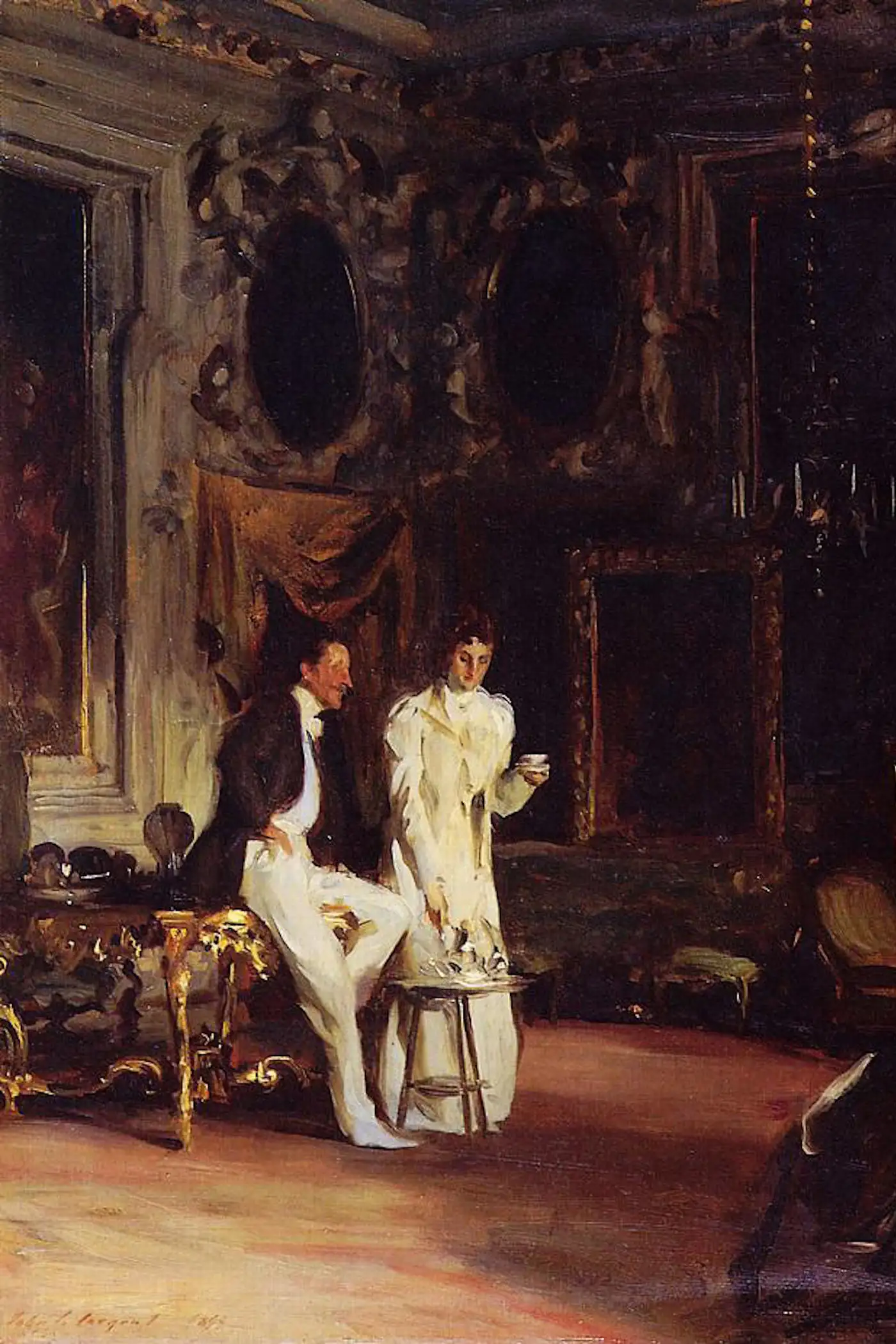
The Wings of the Dove
What is The Wings of the Dove about?
The Wings of the Dove is perhaps the most well-received of Henry James’s novels. First published in 1902, it follows Kate Croy and Merton Densher, an engaged couple in late-Victorian London, who meet Milly Theale, a wealthy American heiress. Milly, though young and lively, is burdened with a fatal disease. She wishes to spend her last days on happy adventures through Europe, and her sparkling personality, still bright despite her looming death, quickly makes her a hit in the London social scene. As she plans an excursion to Venice, Kate and Merton, who are too poor to marry and still maintain their social standing, scheme to trick Milly out of her inheritance. The character of Milly is partly based on Minny Temple, James’ cousin who died young of tuberculosis. He later wrote that the novel was his attempt to immortalize her memory, and that he spent years developing the core of the book’s conceit before committing it to the page. The novel is James at his peak: dizzyingly complex prose weaves rich, impressionistic character studies, heavy in symbolism and allusion, amid the glamorous backdrops of high-society London and decaying Venetian grandeur.
Main themes in The Wings of the Dove
Betrayal and exploitation
In The Wings of the Dove, betrayal and exploitation provides a lens for understanding the story's core message.
Wealth and mortality
The theme of wealth and mortality weaves through The Wings of the Dove, adding depth to its narrative.
Love and conscience
Love and conscience emerges as a defining element in The Wings of the Dove, shaping character development.
American innocence
In The Wings of the Dove, american innocence provides a lens for understanding the story's core message.
Why The Wings of the Dove is still relevant today
The Wings of the Dove (1902) is the first of James's three major phase masterpieces. Milly Theale, a wealthy dying American heiress, is exploited by Kate Croy and Merton Densher, poor English lovers who hope to inherit her fortune. James's exploration of love, betrayal, and moral complexity achieves devastating power. The novel's title image—the dove representing Milly—has become iconic.
More by this author


Frequently Asked Questions
What is The Wings of the Dove about?
Kate Croy and Merton Densher are in love but too poor to marry. They befriend wealthy, dying Milly Theale, hoping Merton can marry her and inherit her fortune after her death. But Milly's generosity transforms everything.
What does the title mean?
The wings of the dove refer to a biblical image of innocence and escape. Milly is the dove—pure, dying, exploited—whose wings overshadow the plotters even after her death.
Is Milly a passive victim?
Though exploited, Milly achieves a kind of triumph. Her final generosity—leaving her fortune to Merton despite knowing the plot—transforms Kate and Merton's relationship permanently.
How does this compare to James's other late novels?
It's perhaps the most emotionally powerful of the three major phase novels, with Milly's suffering and transcendence achieving genuine tragic intensity.