The Turn of the Screw
What is The Turn of the Screw about?
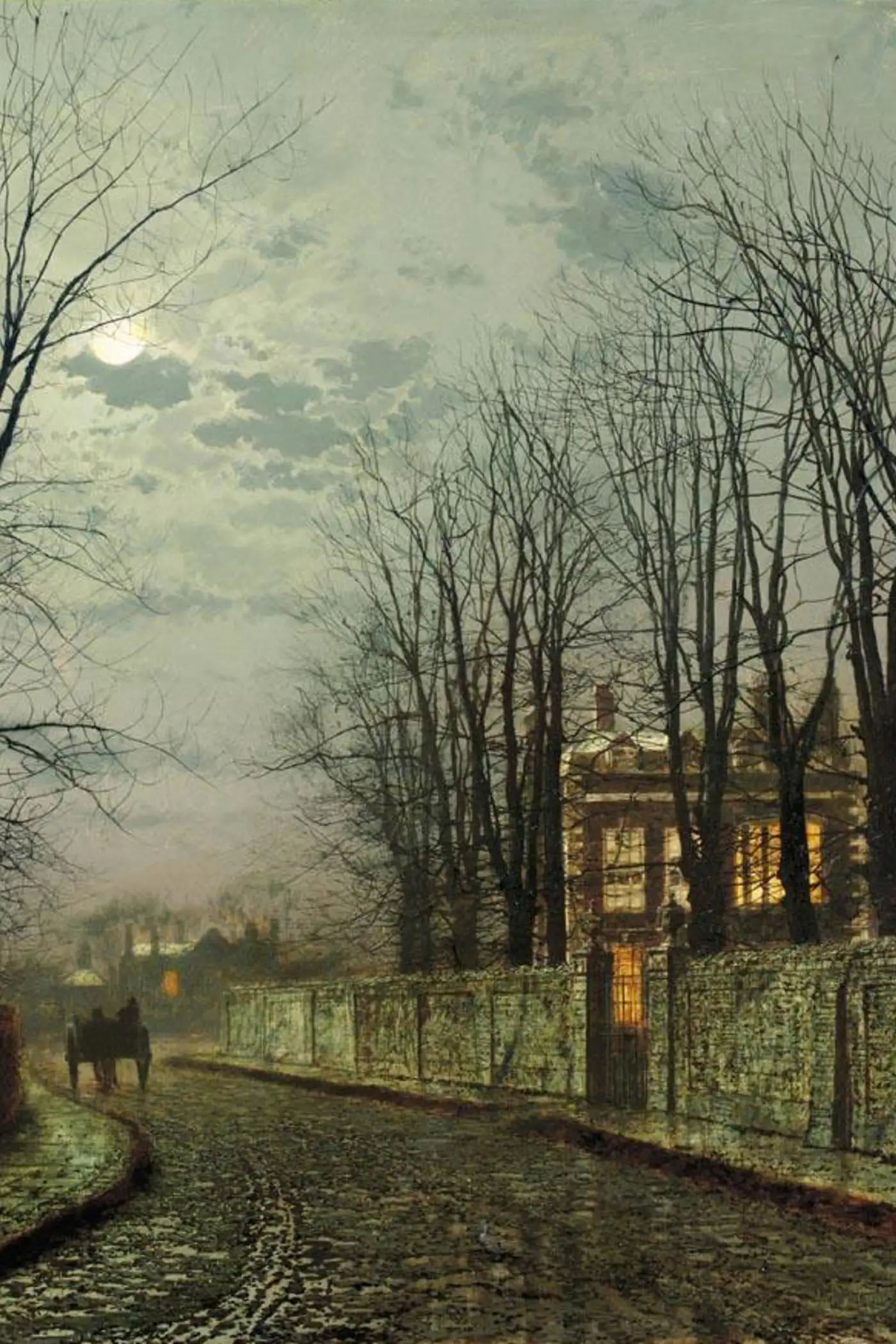
The Turn of the Screw by Henry James is a masterpiece of psychological horror and ambiguity that has haunted readers for over a century. Published in 1898, this chilling novella follows a young governess who arrives at a remote English estate to care for two beautiful orphans, Miles and Flora. Soon she begins seeing the ghosts of former servants and becomes convinced the children are in supernatural danger—or is she? James's deliberately ambiguous narrative has generated endless debate: are the ghosts real or projections of the governess's disturbed mind? This sophisticated Gothic tale of innocence, corruption, and unreliable narration remains one of literature's most unsettling reading experiences.
Main themes in The Turn of the Screw
Psychological ambiguity
Psychological ambiguity emerges as a defining element in The Turn of the Screw, shaping character development.
Ghosts and madness
In The Turn of the Screw, ghosts and madness provides a lens for understanding the story's core message.
Childhood corruption
The Turn of the Screw thoughtfully explores childhood corruption through its central conflicts.
Unreliable narration
The theme of unreliable narration weaves through The Turn of the Screw, adding depth to its narrative.
Why The Turn of the Screw is still relevant today
The Turn of the Screw (1898) is the most famous ghost story in English literature—and one of the most debated. A governess believes two ghostly servants are corrupting the children in her care, but James's ambiguity leaves readers unsure whether the ghosts are real or she is mad. This masterpiece of psychological horror has generated endless interpretations and adaptations, including the opera by Benjamin Britten.
More by this author
Frequently Asked Questions
What is The Turn of the Screw about?
A young governess takes charge of two children in a remote country house. She becomes convinced that ghosts of former servants Peter Quint and Miss Jessel are appearing to corrupt the children. Whether the ghosts are real or she is hallucinating is the central question.
Are the ghosts real?
James deliberately refuses to resolve this. Evidence supports both readings—supernatural horror or psychological breakdown. The ambiguity is the novella's most distinctive achievement, generating endless critical debate.
What is the Freudian interpretation?
Critics have argued the governess is sexually repressed, projecting her desires onto the children and inventing ghosts. This reading was influential but doesn't fully account for details that support the ghosts' reality.
Why is this James's most famous story?
Its perfect ambiguity, its atmosphere of mounting dread, and its famous final line make it unforgettable. It's also more accessible than his longer works while demonstrating his psychological mastery.