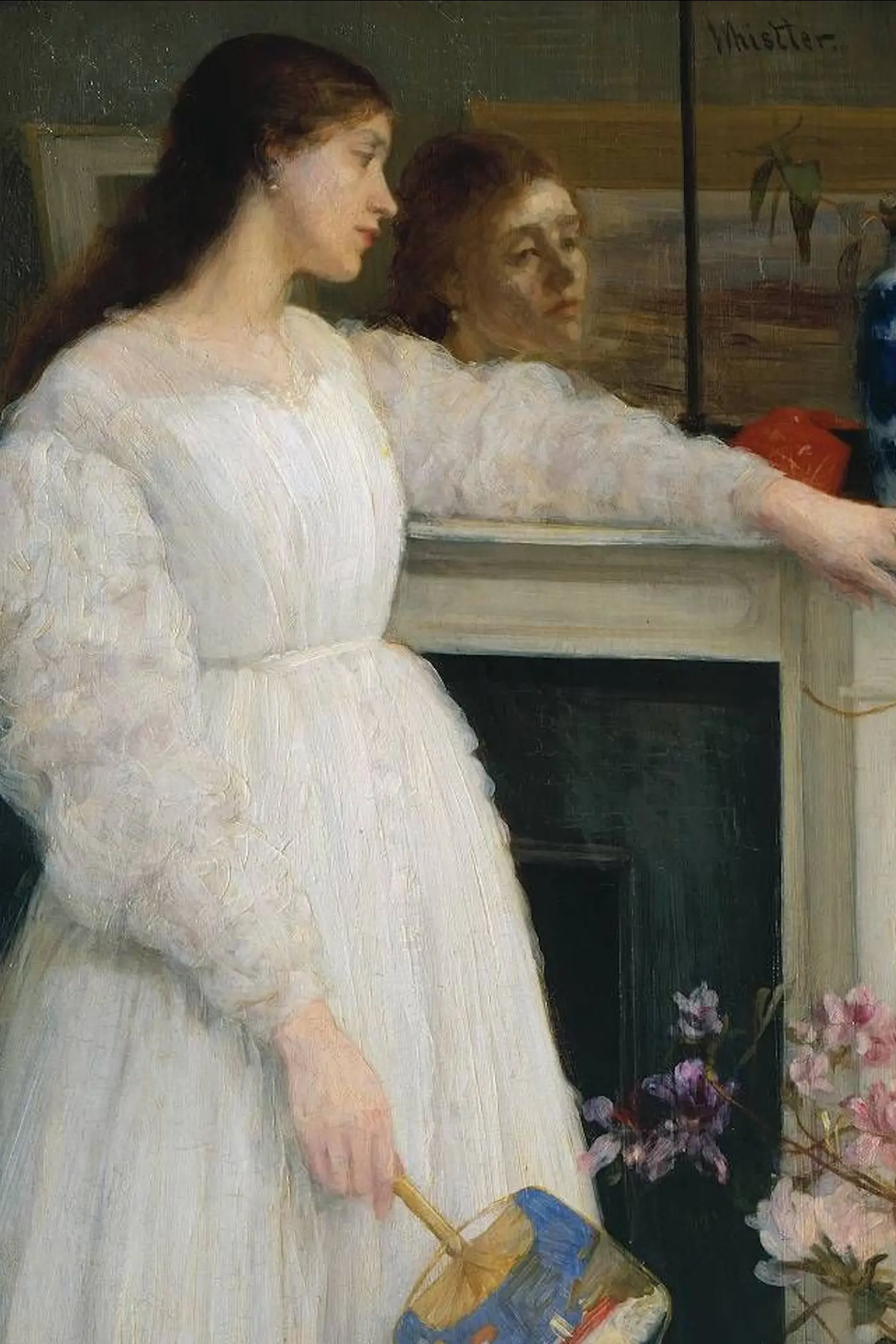
Washington Square
What is Washington Square about?
Catherine Sloper is a shy, plain, and not very clever young lady. She lives with her widowed father, a respected doctor, in Washington Square, a fairly new neighborhood in Greenwich Village. Catherine has a sizable income left by her mother, and stands to inherit a fortune from her father. Men don’t pay much attention to her—until she meets Mr. Townsend. The two quickly become interested in each other, but Catherine’s father disapproves of the match. He has determined that Townsend is an idler and only cares about Catherine’s money. Catherine refuses to give up Townsend, and remains as firmly for him as her father is against him. Her meddlesome aunt, Mrs. Penniman, becomes overly involved, trying to steer each actor according to her own foolish and romantic notions. Henry James considered Washington Square one of his poorer novels, and thought that Catherine was the only good part of it. Later critics received it more favorably. It was adapted into a play, The Heiress , in 1947, and into a film by the same name shortly after.
Main themes in Washington Square
Parental cruelty
Parental cruelty emerges as a defining element in Washington Square, shaping character development.
Fortune hunting
Fortune hunting emerges as a defining element in Washington Square, shaping character development.
Plain heroines
Washington Square thoughtfully explores plain heroines through its central conflicts.
Old New York
The theme of old new york weaves through Washington Square, adding depth to its narrative.
Why Washington Square is still relevant today
Washington Square (1880) is James's most accessible novel—a cruelly ironic tale of Catherine Sloper, a plain, wealthy heiress whose father correctly perceives her suitor as a fortune hunter but whose contempt destroys her anyway. Set in old New York, it achieves devastating effects through simplicity and restraint. The 1949 film "The Heiress" won Olivia de Havilland an Oscar.
More by this author
Frequently Asked Questions
What is Washington Square about?
Catherine Sloper, plain but wealthy, falls in love with the charming Morris Townsend. Her father, Dr. Sloper, sees Morris as a fortune hunter and opposes the match with contempt that wounds Catherine as much as Morris's eventual abandonment.
Is Washington Square simpler than James's other work?
Yes—it's his most straightforward narrative, with clear moral outlines and accessible prose. This makes it an ideal introduction to James while still demonstrating his psychological insight and ironic power.
What is the relationship to The Heiress?
The 1947 play and 1949 film adapt the novel with a more dramatic ending. Olivia de Havilland won an Oscar playing Catherine. The title emphasizes what Morris wants and Catherine ultimately becomes.
Why is Dr. Sloper so cruel?
He is disappointed that Catherine is neither beautiful nor brilliant like her dead mother. His intellectual contempt makes him correct about Morris but cruel to Catherine—right for the wrong reasons.