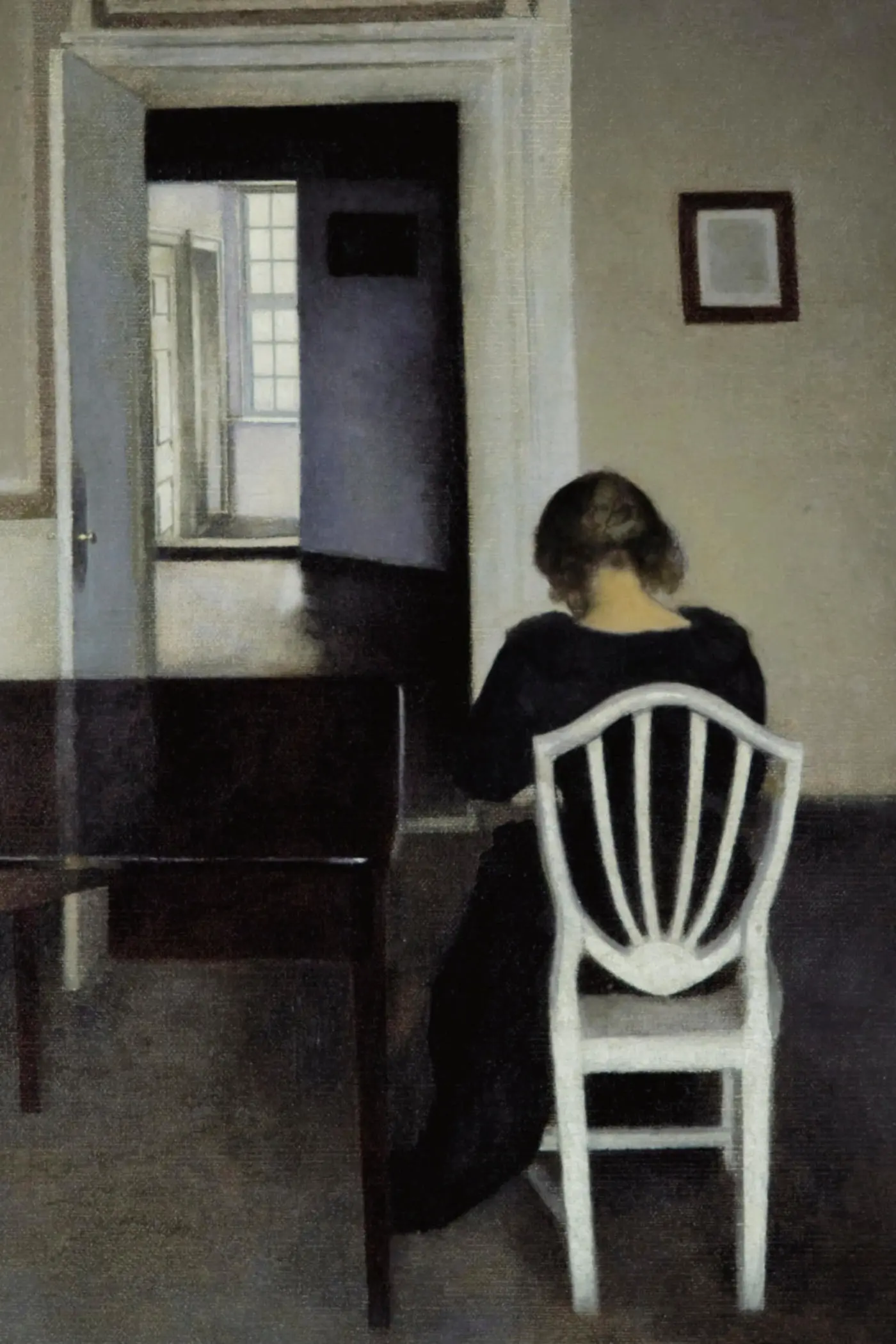
Jacob’s Room
What is Jacob’s Room about?
In her third novel, Virginia Woolf departs from conventional narrative and explores storytelling through discordant scenes and impressions. Jacob Flanders’ life story is told through the perspectives of the people in his life. In Jacob’s Room , we see Jacob grow from a young boy to an ardent student of Classical culture while the world around him moves closer to an impending war. Jacob is described in flashes by the women around him—his mother and his lovers.
Main themes in Jacob’s Room
Experimental narrative
In Jacob’s Room, experimental narrative provides a lens for understanding the story's core message.
WWI and loss
Jacob’s Room thoughtfully explores wwi and loss through its central conflicts.
Fragments of consciousness
Fragments of consciousness emerges as a defining element in Jacob’s Room, shaping character development.
Youth and death
In Jacob’s Room, youth and death provides a lens for understanding the story's core message.
Why Jacob’s Room is still relevant today
Jacob's Room (1922) was Woolf's first fully experimental novel, tracing Jacob Flanders from childhood to death in WWI through fragmentary impressions rather than conventional narrative. The technique of capturing a life through scattered moments and others' perceptions anticipates her later masterpieces. The empty room of the title becomes a powerful image of wartime loss.
More by this author
Frequently Asked Questions
What is Jacob's Room about?
The novel traces Jacob Flanders from boyhood through Cambridge to young manhood, ending with his death in WWI. Rather than telling his story directly, Woolf shows him through impressions, conversations, and the perceptions of others.
Why is it called Jacob's Room?
The empty room at the end—Jacob's belongings remaining after his death—becomes a powerful image of loss. Throughout, we see rooms Jacob has occupied, but the man himself remains elusive.
What is experimental about this novel?
Woolf abandons conventional plot and characterization for fragmentary impressions. Jacob is defined by absence as much as presence, anticipating her later stream-of-consciousness techniques.
How does this relate to Woolf's own losses?
The novel was written after WWI, when Woolf knew many young men who died. The sense of a generation lost—brilliant young men like Jacob reduced to empty rooms—reflects collective mourning.