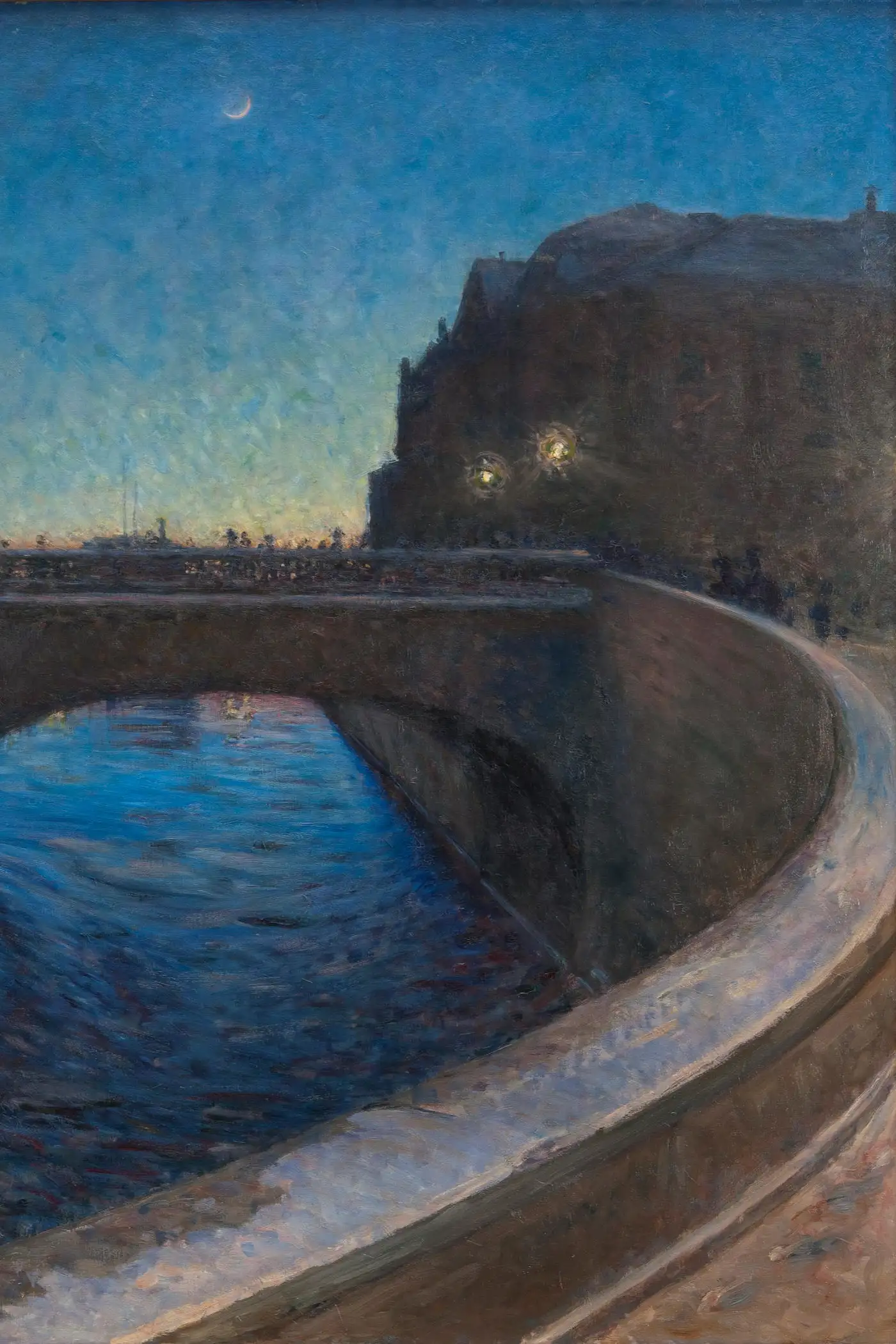
Night and Day
What is Night and Day about?
Although known for her later experiments with style and structure, Virginia Woolf set out in her early novels to master the traditional form. Her second novel, Night and Day , presents itself as a seemingly conventional marriage plot, complete with love triangles, broken engagements, and unrequited affections. Beneath these conventional trappings, however, the book’s deeper concerns are resolutely subversive. The main characters—a quartet of friends and would-be lovers—come together, pull apart, and struggle to reconcile socially prescribed norms of love and marriage with their own beliefs and ambitions.
Main themes in Night and Day
Marriage and convention
Night and Day thoughtfully explores marriage and convention through its central conflicts.
Women's choices
Women's choices emerges as a defining element in Night and Day, shaping character development.
Suffrage movement
The presence of suffrage movement in Night and Day connects readers to its enduring relevance.
Intellectual women
The presence of intellectual women in Night and Day connects readers to its enduring relevance.
Why Night and Day is still relevant today
Night and Day (1919) is Woolf's second novel, a more traditional work exploring love, marriage, and women's choices in Edwardian London. Katharine Hilbery must choose between convention and her own desires while working on a family biography. The novel examines the suffrage movement and women's intellectual aspirations, themes Woolf would develop with more experimental technique later.
More by this author

Frequently Asked Questions
What is Night and Day about?
Katharine Hilbery navigates romantic choices while secretly pursuing mathematics, her true passion. The novel explores several couples and their struggles between convention, passion, and intellectual fulfillment in pre-war London.
Why is this novel considered traditional?
Written before Woolf developed her experimental techniques, it follows realistic conventions of the Edwardian novel. She later called it a exercise, learning her craft before breaking the rules.
What does the title mean?
Night and Day suggest the contrast between social performance and inner life, public convention and private truth. The characters struggle between what society expects and what they truly want.
How does this connect to Woolf's later work?
Its themes of women's intellectual suppression anticipate A Room of One's Own, while its exploration of consciousness within social situations points toward Mrs Dalloway.