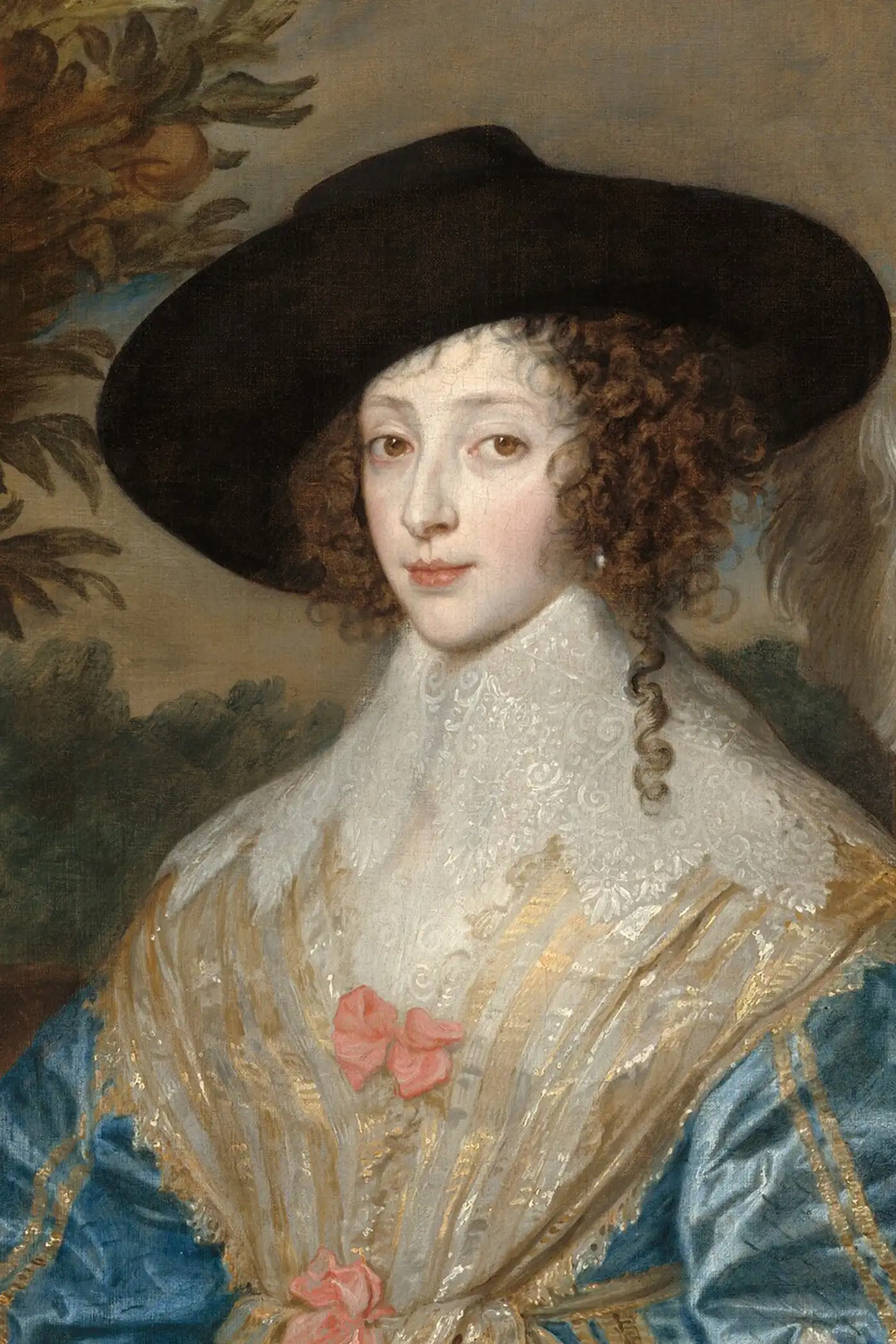
Orlando
What is Orlando about?
Originally published in 1928, Orlando , one of Virginia Woolf’s better-known novels, provides a splendid example of Modernist experimentation with genre and storytelling. Orlando is a young Elizabethan nobleman who loves writing poetry as much as he does hunting, wrestling with the household dogs, and indulging in a fine night’s carouse. After being favored by Queen Elizabeth herself, he falls tragically in love. But as he nurses a decades-long heartbreak, Orlando realizes that poetry provides little solace. Sometime in the eighteenth century he escapes England as an ambassador to Turkey, where after a mysterious illness he awakens as a woman—but still not a published author. While the arts of reading, writing, criticism expand, Orlando’s poetic aspirations remain frustrated until the twentieth century, when, having returned to England, she finds love, life, and her voice at last. On its surface the biography of a fantastic Elizabethan nobleman, the novel is frequently described as a love letter to Vita Sackville-West, who had a lengthy affair with Woolf in the early 1920s and whose family history undergirds much of the detail of Orlando’s life and home. Orlando also features Woolf’s masterful stream of consciousness technique, employed metafictionally as Orlando and the narrator compose in tandem the novel’s intricate final chapter. Most importantly, Orlando’s absurd fantasy is underpinned by wit and humor: Orlando is a comic—sometimes satirical—text, revealing a side of Woolf rarely seen in her earlier work. A lighthearted romp of a book, Orlando remains resolutely literary and asks lingering questions about the construction of gender, the intersection between “the spirit of the age” and artistic creation, and what loving another person really means. Woolf was one of the most important Modernist writers, and Orlando reveals her at her playful, shimmering—dare we say sexy?—best.
Main themes in Orlando
Gender fluidity
In Orlando, gender fluidity provides a lens for understanding the story's core message.
Time and history
The theme of time and history weaves through Orlando, adding depth to its narrative.
Biography and fiction
Biography and fiction emerges as a defining element in Orlando, shaping character development.
English literature
The presence of english literature in Orlando connects readers to its enduring relevance.
Why Orlando is still relevant today
Orlando (1928) is Woolf's most playful and unconventional novel—a mock biography spanning four centuries as its protagonist changes from man to woman. Written for Vita Sackville-West, with whom Woolf had a romantic relationship, it combines fantasy, satire, and meditation on gender, time, and identity. The novel anticipated contemporary discussions of gender fluidity and remains startlingly fresh.
More by this author
Frequently Asked Questions
What is Orlando about?
Orlando, a young Elizabethan nobleman, lives for centuries and halfway through transforms into a woman. The novel follows Orlando through English history, satirizing biography while meditating on gender and identity.
Is Orlando about Vita Sackville-West?
Yes, Woolf wrote it as a love letter to Vita, with whom she had a romantic relationship. Orlando's ancestral home mirrors Vita's family seat, Knole, and the photographs include Vita herself.
What does Orlando say about gender?
Orlando's transformation and the narrator's commentary suggest gender is partly performance and social construction. The novel anticipates contemporary understandings while maintaining Woolf's characteristic wit.
How is Orlando different from Woolf's other novels?
It's her most accessible work—a playful fantasy rather than intense psychological exploration. Its comic tone and narrative adventure make it unusual among her serious modernist experiments.