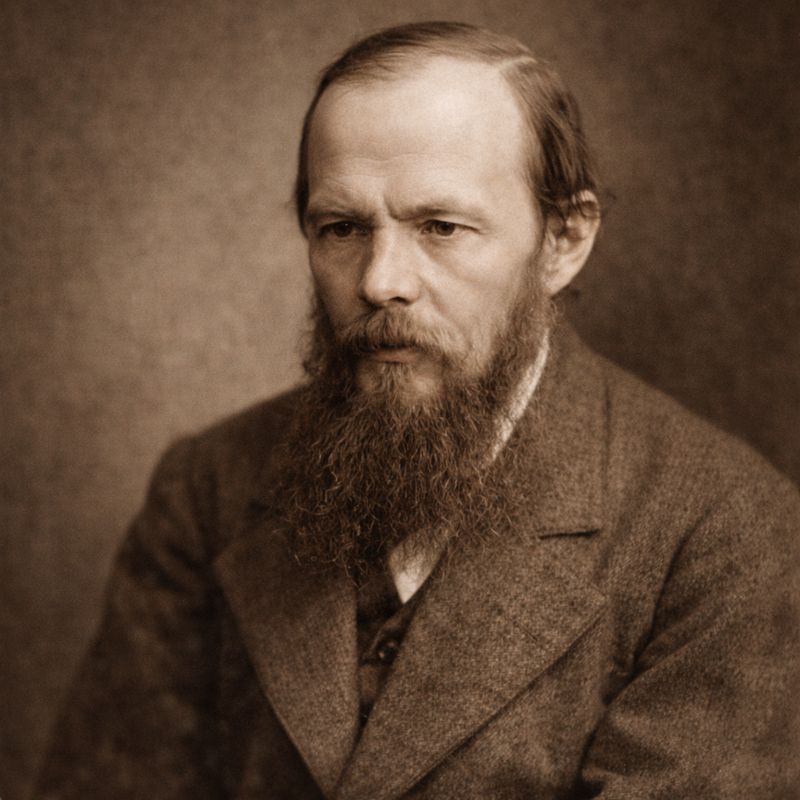
Fyodor Dostoevsky
Biography
Fyodor Dostoevsky was a Russian novelist, philosopher, and journalist whose work profoundly shaped modern literature through its psychological depth and moral inquiry. Born in 1821, he experienced poverty, political repression, imprisonment, and exile—events that deeply influenced his understanding of human suffering, faith, and moral responsibility. Dostoevsky’s novels explore the inner conflicts of individuals confronting guilt, free will, belief, and despair. Works such as Crime and Punishment, The Brothers Karamazov, and The Idiot examine the extremes of human consciousness and the tension between reason and spirituality. His characters are often driven by intense emotional and ethical struggles that reflect broader social and philosophical questions. Recognized as one of the greatest novelists in world literature, Dostoevsky’s influence extends far beyond fiction. His writing has shaped existential philosophy, psychology, and modern narrative technique, and continues to resonate for its uncompromising exploration of the human soul.
Common themes in Fyodor Dostoevsky's work
Psychological realism
A recurring theme throughout Fyodor Dostoevsky's writing.
Guilt and redemption
A recurring theme throughout Fyodor Dostoevsky's writing.
Faith and doubt
A recurring theme throughout Fyodor Dostoevsky's writing.
Free will and morality
A recurring theme throughout Fyodor Dostoevsky's writing.
Books
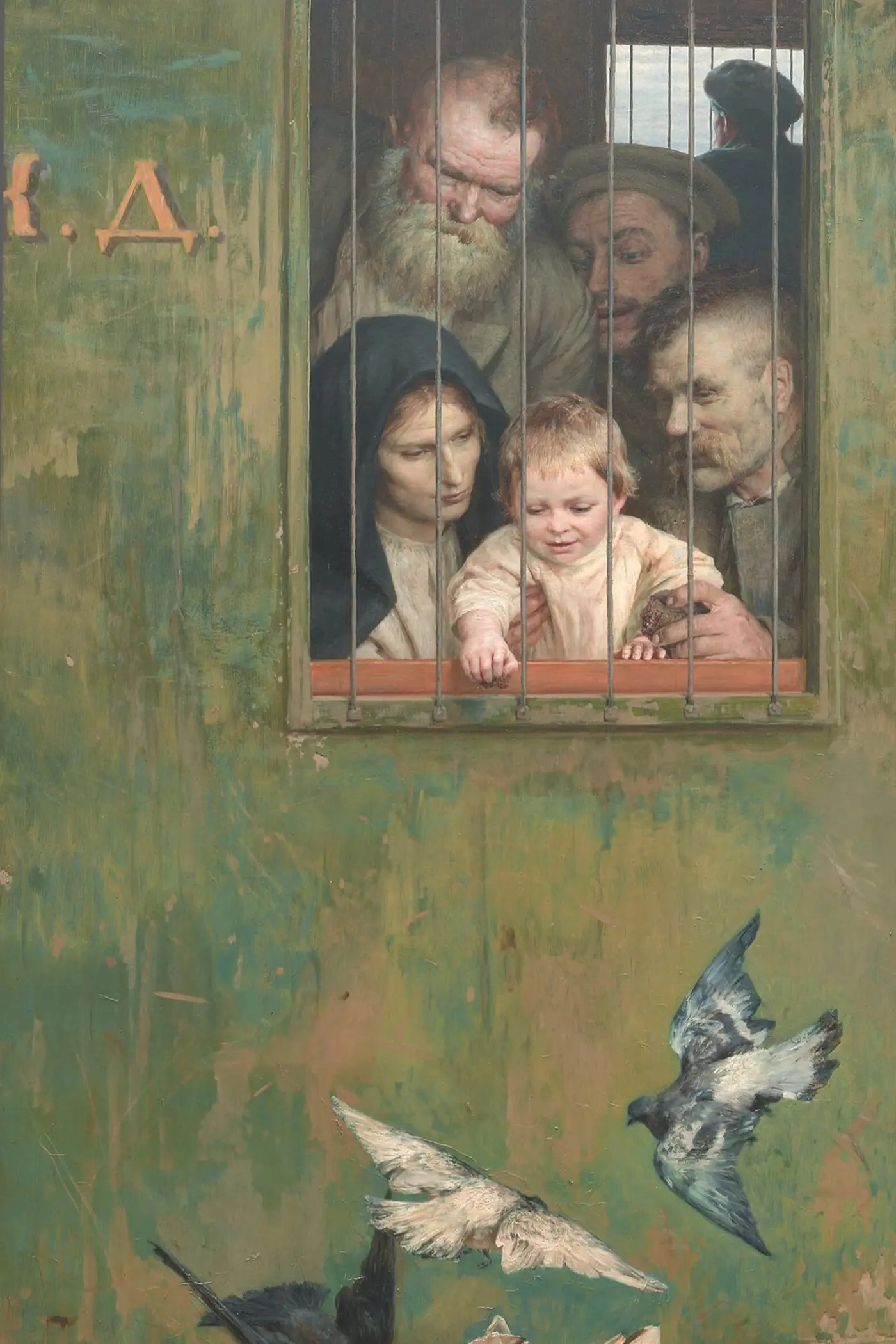
Poor Folk
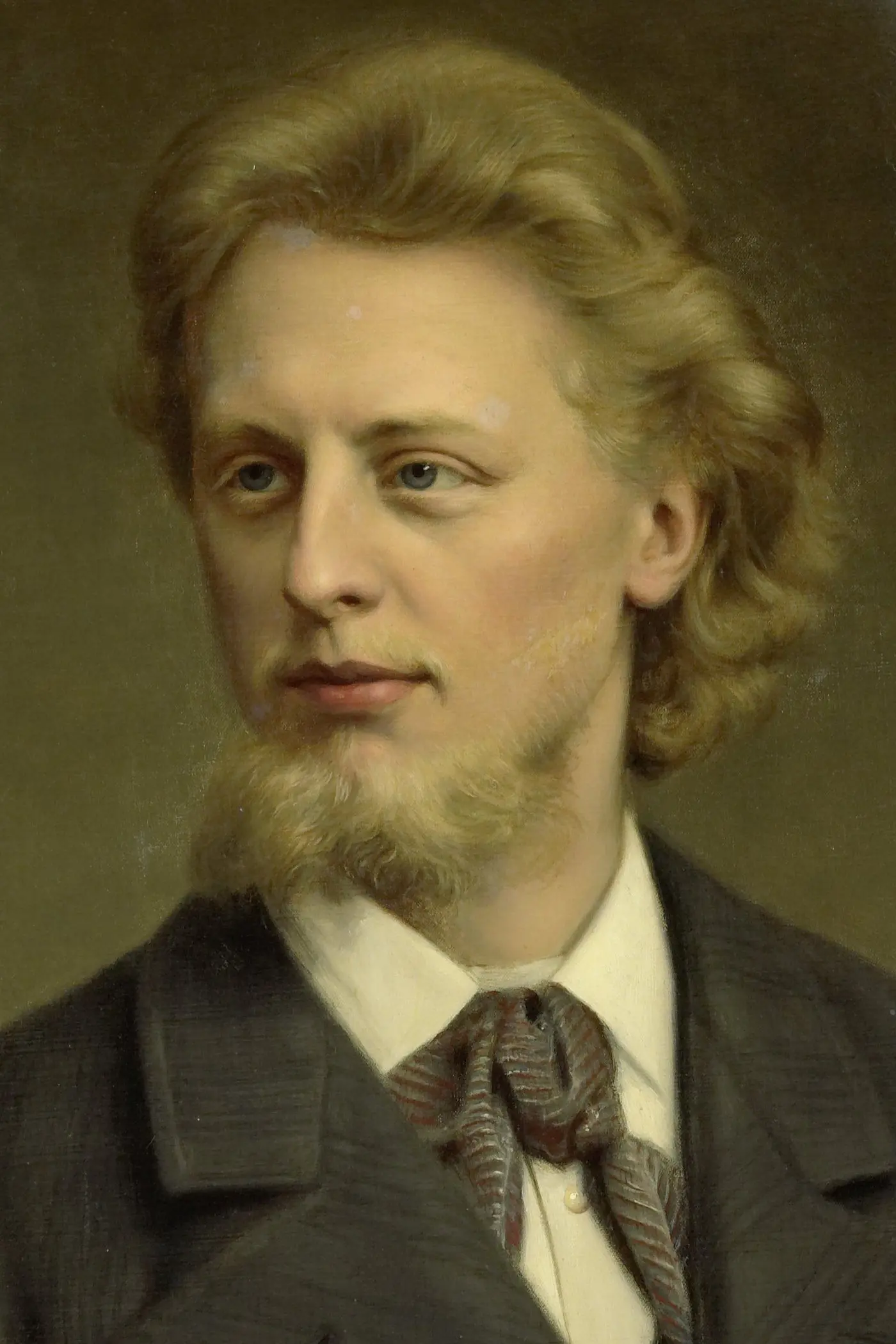
The Idiot
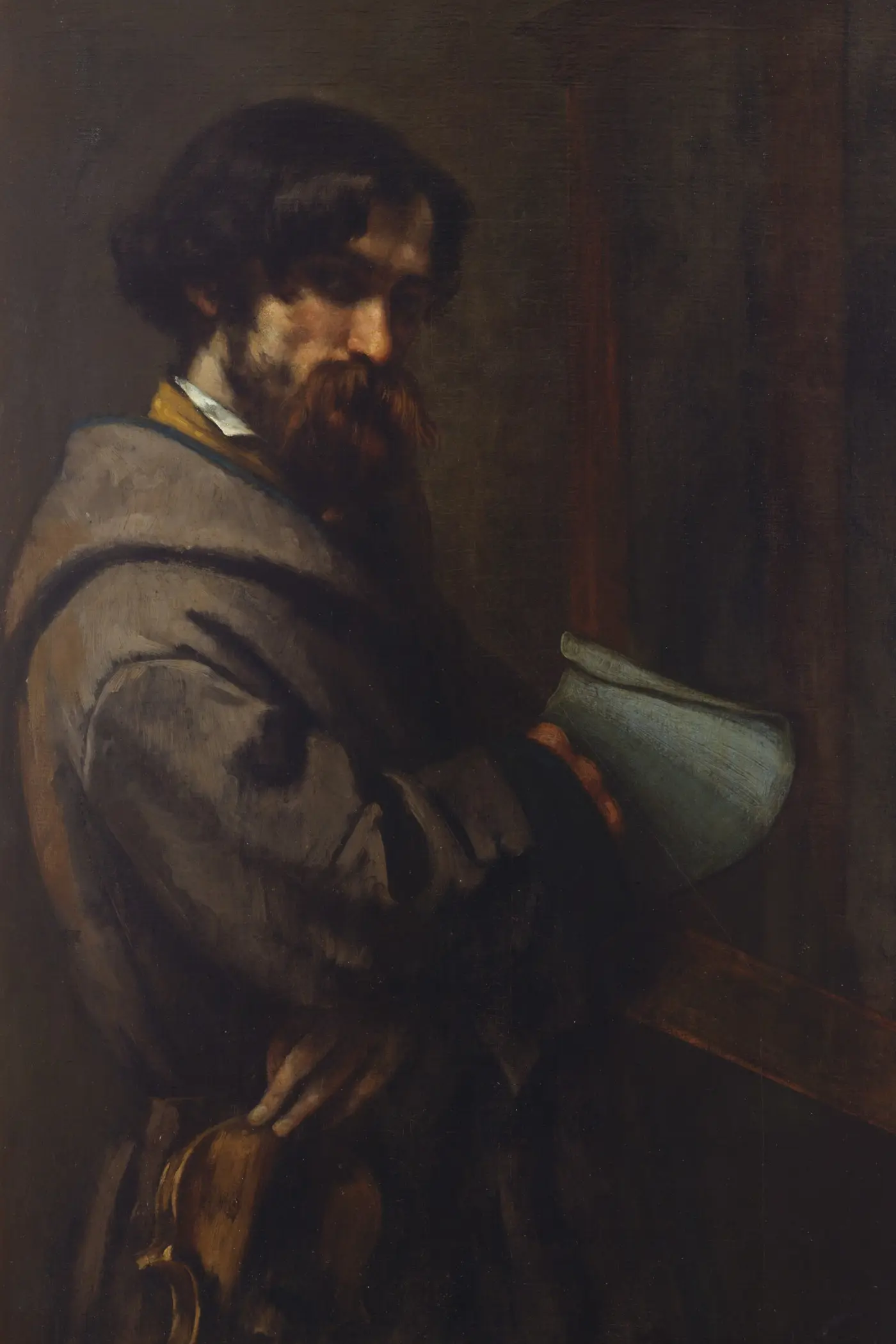
Notes from Underground
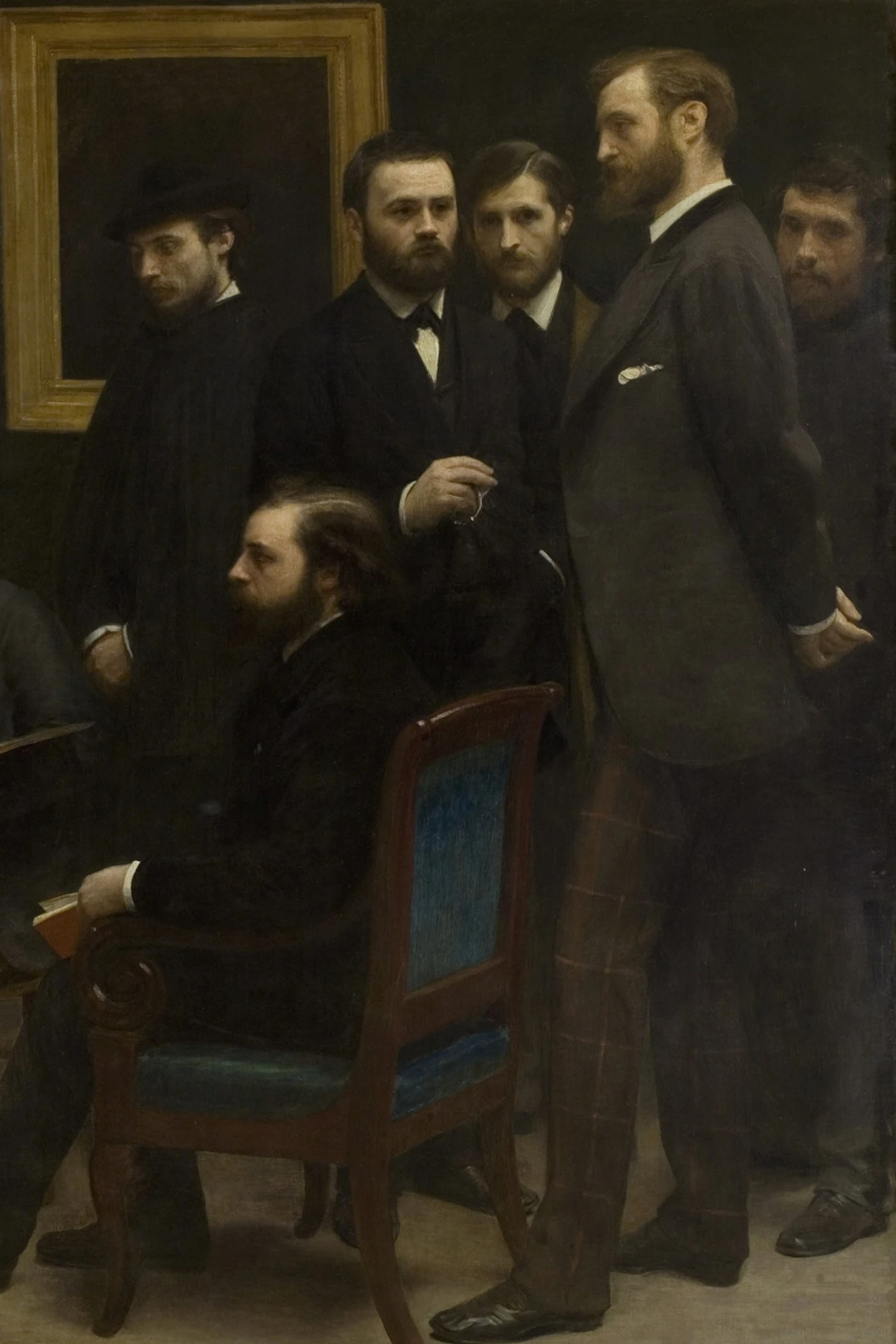
Demons
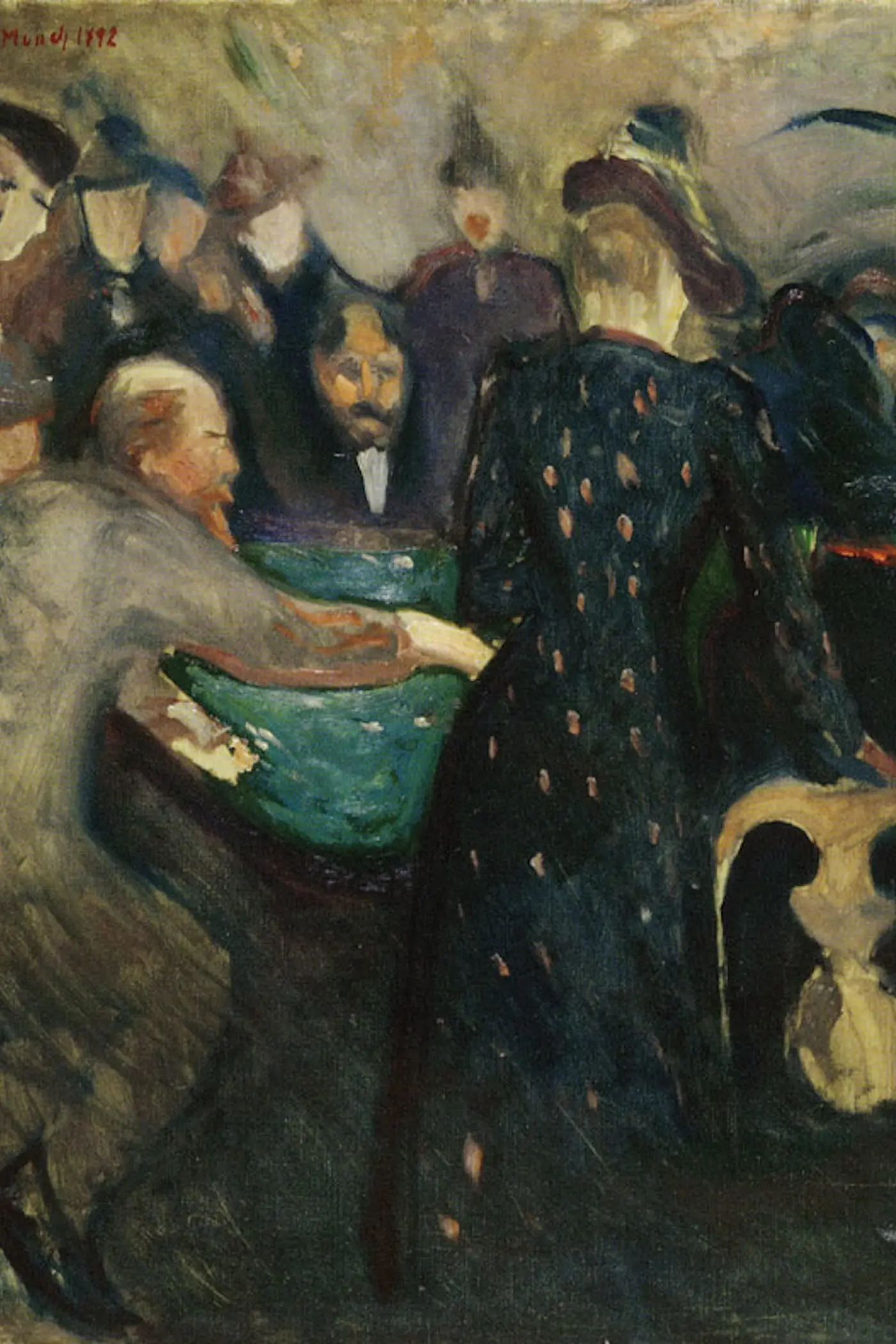
The Gambler
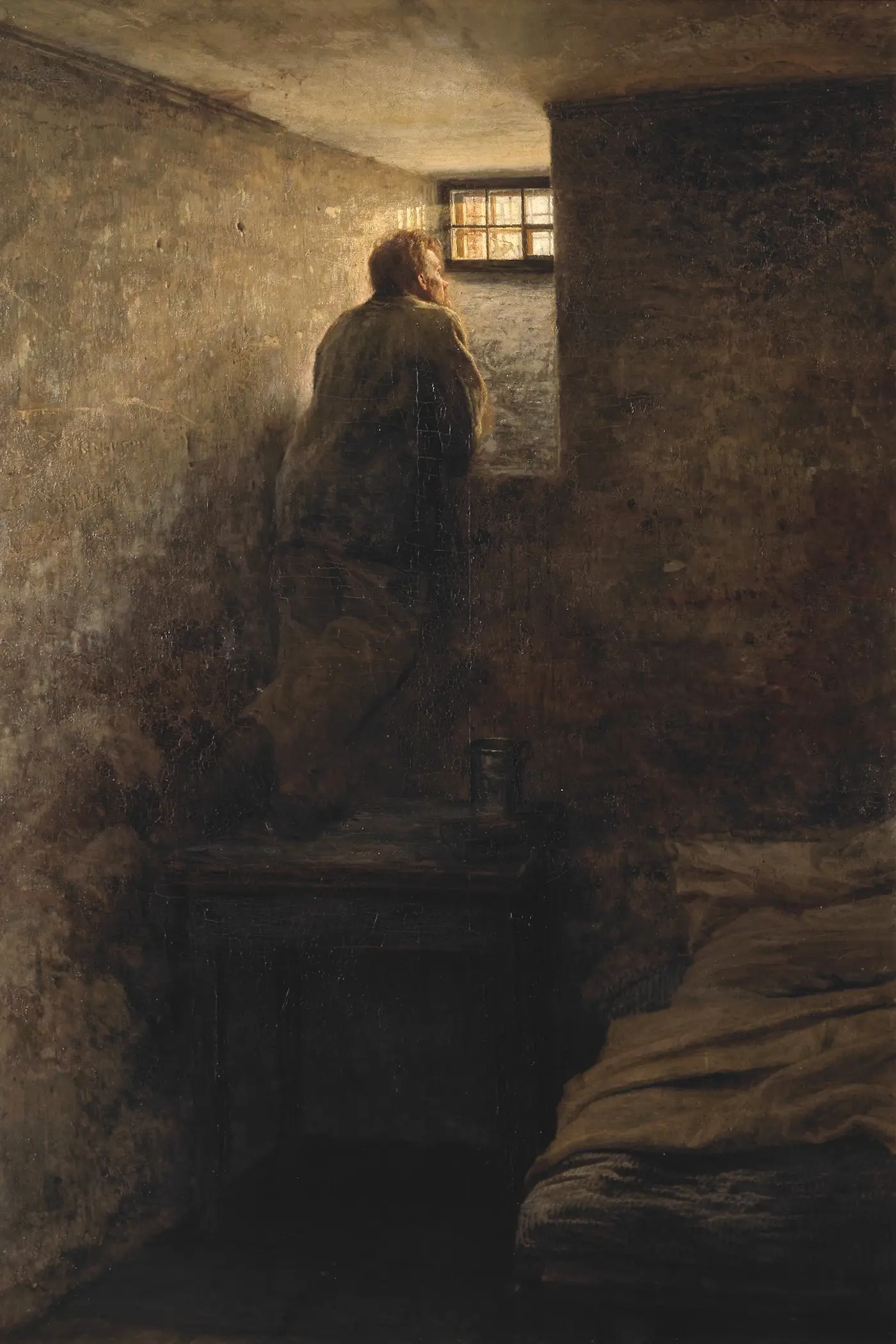
The House of the Dead
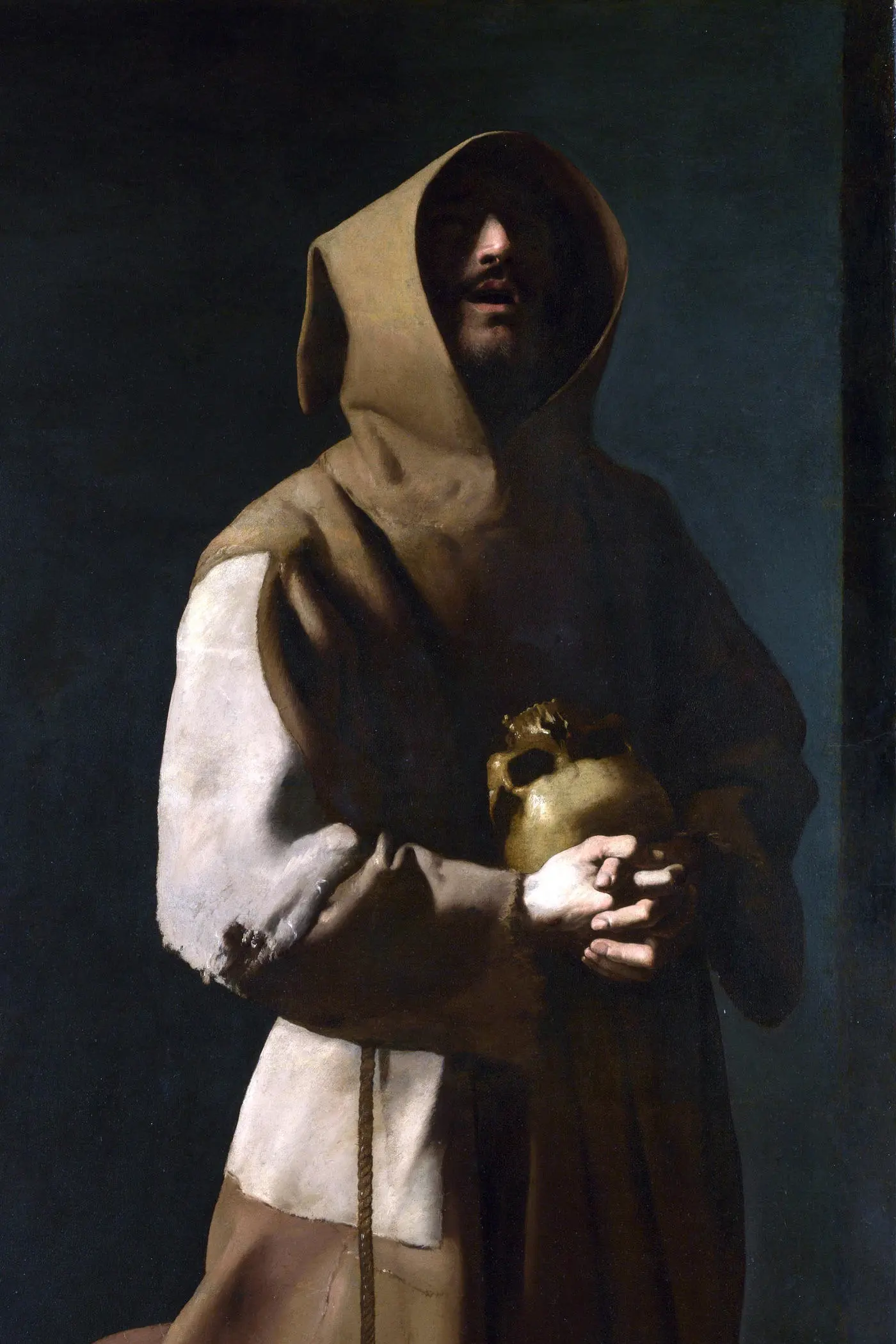
The Brothers Karamazov
Crime and Punishment
Explore by genre
Other authors you may enjoy
Why Fyodor Dostoevsky is still read today
Fyodor Dostoevsky remains profoundly relevant today because his exploration of psychological extremes, moral ambiguity, and existential crisis speaks directly to contemporary concerns. His novels anticipate modern debates about crime, punishment, mental health, and the search for meaning in a secular age. Dostoevsky's influence extends far beyond literature—his ideas have shaped existentialist philosophy, psychoanalysis, and political thought. Crime and Punishment continues to be studied in law schools and ethics courses, while The Brothers Karamazov's "Grand Inquisitor" chapter remains central to discussions of faith and freedom. His work has inspired countless adaptations in film, theater, and television, demonstrating its enduring cultural power. In an era of increasing polarization and moral uncertainty, Dostoevsky's nuanced portrayal of human complexity—his refusal to offer easy answers—makes his novels essential reading for anyone seeking to understand the depths of the human condition.
Frequently Asked Questions
Who was Fyodor Dostoevsky?
Fyodor Dostoevsky (1821–1881) was a Russian novelist and philosopher, considered one of the greatest writers in world literature. He is best known for Crime and Punishment, The Brothers Karamazov, and The Idiot.
What is Dostoevsky's most famous book?
Dostoevsky's most famous works are Crime and Punishment and The Brothers Karamazov. Crime and Punishment is often considered his masterpiece of psychological fiction, while The Brothers Karamazov is regarded as his greatest philosophical achievement.
Why is Dostoevsky important in literature?
Dostoevsky pioneered psychological realism in fiction, exploring the depths of human consciousness with unprecedented depth. His work influenced existentialist philosophy, psychoanalysis, and modern narrative technique.
What themes did Dostoevsky explore?
Dostoevsky's major themes include guilt and redemption, faith versus reason, free will and moral responsibility, the nature of evil, suffering, and the search for meaning in a world without clear moral guidance.
Was Dostoevsky imprisoned?
Yes, in 1849 Dostoevsky was arrested for involvement with a socialist literary group, faced a mock execution, and spent four years in a Siberian prison camp. This experience profoundly shaped his later works.
Essential cookies keep you signed in and save your reading progress. Analytics cookies help us understand how the site is used. You can reject analytics — we still work without them. Learn more in our Privacy Policy.