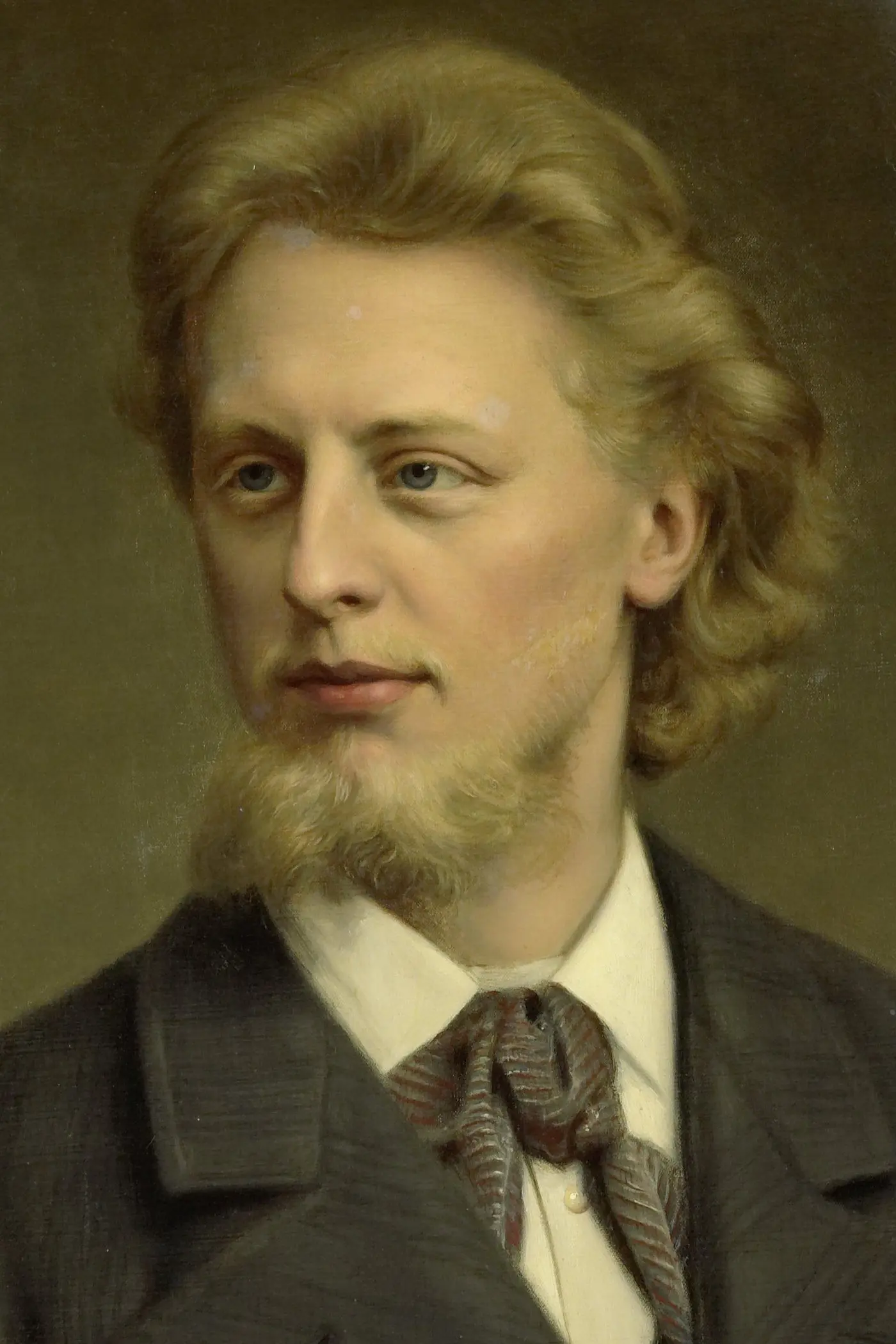
The Idiot
What is The Idiot about?
The Idiot is a classic psychological novel by Fyodor Dostoevsky, centered on Prince Myshkin, an epileptic nobleman whose sincerity and moral purity set him apart from Russian high society. Often dismissed as an “idiot” for his kindness and simplicity, Myshkin possesses deep emotional insight that exposes the vanity, greed, and hypocrisy around him. His arrival triggers a series of intense personal conflicts and dramatic events among his social circle. Drawing on Dostoevsky’s own experiences with faith, illness, and moral struggle, the novel explores the tension between innocence and a corrupt world.
Main themes in The Idiot
Innocence and corruption
The theme of innocence and corruption weaves through The Idiot, adding depth to its narrative.
Beauty and destruction
The presence of beauty and destruction in The Idiot connects readers to its enduring relevance.
Love and jealousy
The presence of love and jealousy in The Idiot connects readers to its enduring relevance.
Society and morality
The presence of society and morality in The Idiot connects readers to its enduring relevance.
Why The Idiot is still relevant today
The Idiot remains relevant for its exploration of what it means to be genuinely good in a cynical world. Dostoevsky's question—can a truly virtuous person survive modern society?—resonates deeply in our age of materialism and moral compromise. The novel has inspired numerous adaptations and continues to influence discussions of morality, mental health, and the nature of saintliness. Myshkin's character has been compared to Don Quixote and Christ, representing humanity's aspiration toward goodness despite impossible odds.
More by this author
Frequently Asked Questions
What is The Idiot about?
The Idiot follows Prince Myshkin, an epileptic nobleman whose genuine goodness and compassion are seen as foolishness by St. Petersburg society, leading to tragic consequences for all involved.
Why is Prince Myshkin called an idiot?
Myshkin is called an 'idiot' because his sincerity, compassion, and moral innocence appear naive and foolish to the cynical, materialistic society around him.
Is The Idiot based on Dostoevsky's life?
Dostoevsky drew on his own experience with epilepsy for Myshkin's character. The novel's exploration of ecstatic states before seizures reflects Dostoevsky's own reported experiences.
What is the main theme of The Idiot?
The central theme is whether genuine goodness and moral purity can survive in a corrupt society. The tragic answer suggests that innocence is destroyed by the very world it tries to redeem.
How does The Idiot end?
The novel ends tragically, with Nastasya murdered by Rogozhin and Myshkin returned to a state of mental illness, suggesting that pure goodness cannot survive the corruption of the world.