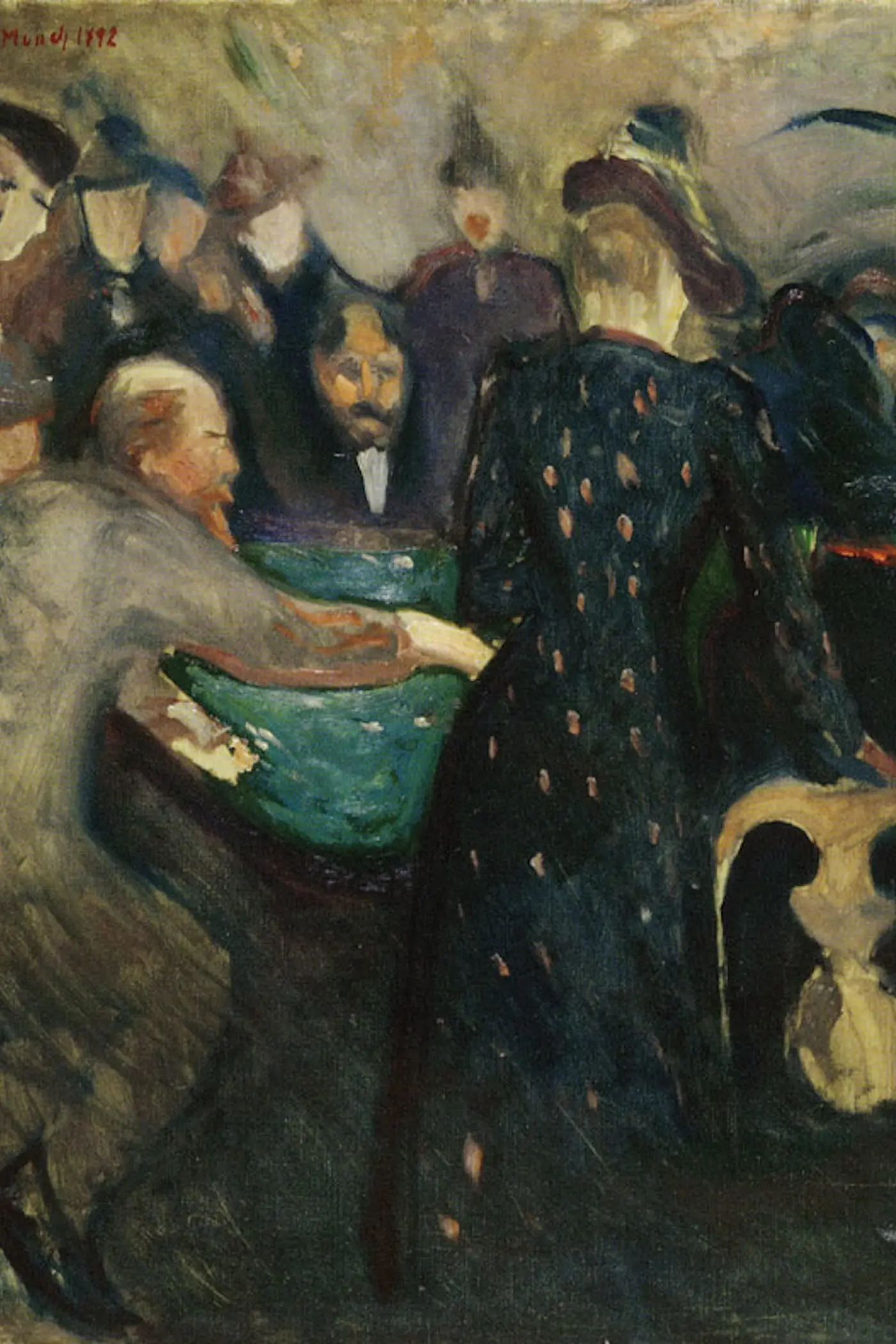
The Gambler
What is The Gambler about?
Set in the fictional German resort town of Roulettenberg, The Gambler follows a young Russian tutor employed by a wealthy general. Introduced to roulette while gambling on behalf of others — including Polina Alexandrovna, the woman he loves — he soon becomes consumed by the thrill of chance himself. What begins as curiosity quickly turns into obsession, revealing the psychological grip of gambling and the illusions of control, luck, and desire. Fyodor Dostoevsky drew heavily on personal experience when writing this novel. During a stay in Baden-Baden, he suffered severe gambling losses that left him in serious financial difficulty. In response, he made a risky agreement with his publisher, pledging to deliver this novel by November 1866 or lose the rights to his works for nine years. He completed The Gambler in time, allowing him to continue with later novels, including The Idiot. This edition features the classic 1915 English translation by C. J. Hogarth. The Gambler has inspired numerous adaptations in film, radio, and opera, including a notable operatic version by Sergei Prokofiev.
Main themes in The Gambler
Gambling addiction
The theme of gambling addiction weaves through The Gambler, adding depth to its narrative.
Obsessive love
Obsessive love emerges as a defining element in The Gambler, shaping character development.
Russian identity abroad
The theme of russian identity abroad weaves through The Gambler, adding depth to its narrative.
Money and society
The Gambler thoughtfully explores money and society through its central conflicts.
Why The Gambler is still relevant today
The Gambler offers one of literature's most honest and insightful portrayals of gambling addiction, a problem that remains relevant in the age of online casinos and betting apps. Dostoevsky's depiction of the gambler's mindset—the superstitions, the chase, the inability to stop—resonates with modern understanding of addictive behavior. The novel also provides a sharp social commentary on Russians abroad and the interplay of money, love, and desperation that continues to ring true in contemporary society.
More by this author
Frequently Asked Questions
What is The Gambler about?
The Gambler follows a young Russian tutor who becomes consumed by gambling addiction at a German resort, intertwined with his hopeless love for his employer's stepdaughter.
Is The Gambler based on Dostoevsky's life?
Yes, Dostoevsky struggled with gambling addiction for years and drew on his own experiences at European casinos. He even wrote the novel in 26 days to pay gambling debts.
How long is The Gambler?
The Gambler is a relatively short novel, about 50,000 words, making it a good introduction to Dostoevsky for readers new to his work.
What is the main theme of The Gambler?
The central theme is the psychology of gambling addiction—the irrational hope, the superstitious thinking, and the inability to stop even when losing everything.
Should I read The Gambler?
The Gambler is excellent for readers interested in addiction psychology or seeking a shorter, faster-paced introduction to Dostoevsky's psychological insight.