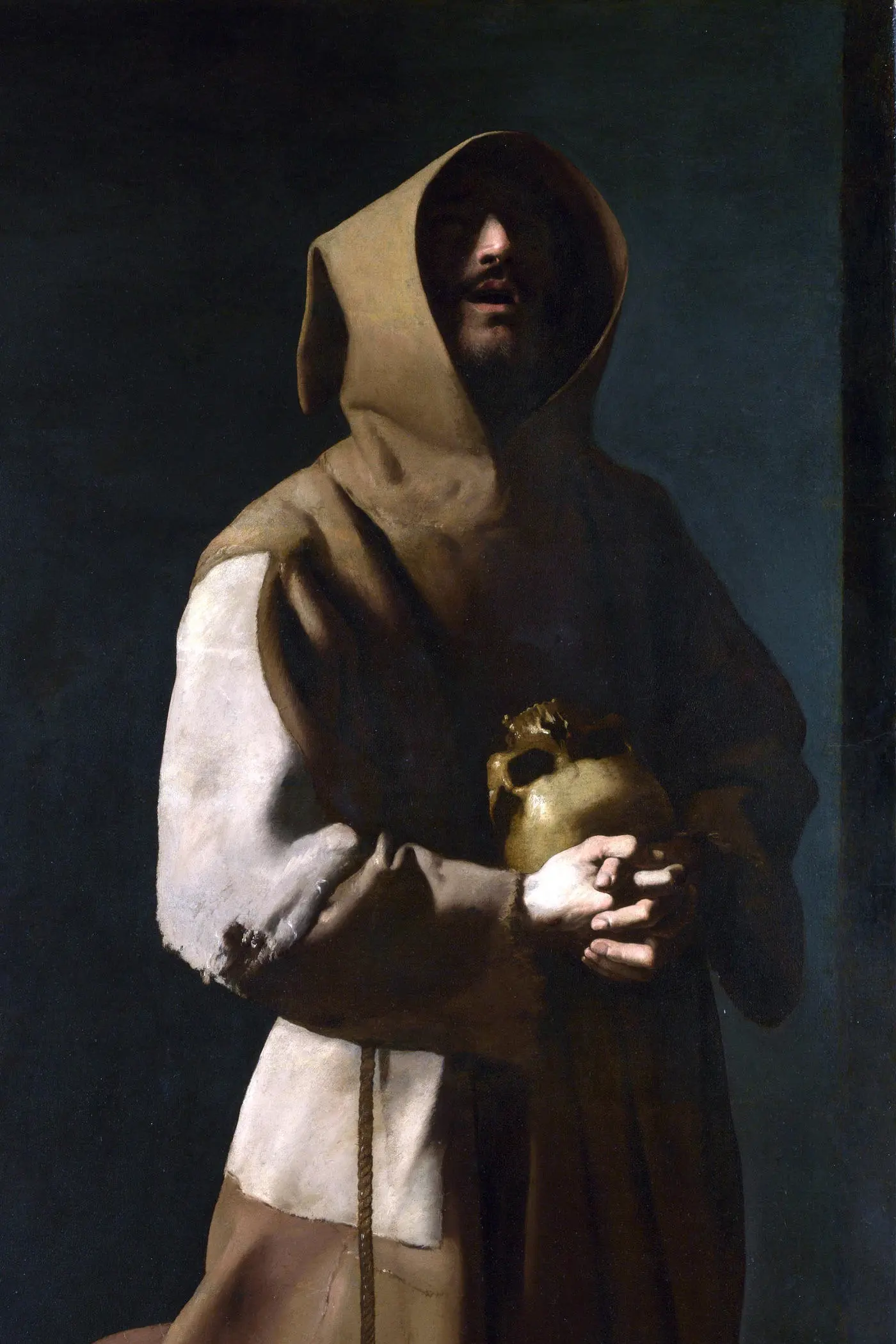
The Brothers Karamazov
What is The Brothers Karamazov about?
The Brothers Karamazov is the final novel by Fyodor Dostoevsky and one of the most profound works of philosophical fiction ever written. The story centers on the turbulent relationships between Fyodor Karamazov and his three sons—Dmitri, Ivan, and Alyosha—whose conflicting values and desires bring a family already fractured by resentment and greed toward catastrophe. As disputes over inheritance, love, and moral responsibility intensify, the brothers represent sharply different responses to faith, reason, and human suffering. Dmitri is driven by passion and impulse, Ivan by intellectual doubt and moral rebellion, and Alyosha by spiritual compassion shaped by his mentor, the elder monk Zossima. Their personal struggles unfold against a backdrop of suspicion, misunderstanding, and mounting tragedy within their provincial Russian town. First published as a complete novel in 1880, The Brothers Karamazov examines themes of free will, guilt, faith, and the search for meaning. Deeply influential in both literary and philosophical thought, the novel has inspired writers and thinkers across generations and remains a monumental exploration of the human soul.
Main themes in The Brothers Karamazov
Faith and doubt
The presence of faith and doubt in The Brothers Karamazov connects readers to its enduring relevance.
Family and patricide
The presence of family and patricide in The Brothers Karamazov connects readers to its enduring relevance.
Free will and moral responsibility
The theme of free will and moral responsibility weaves through The Brothers Karamazov, adding depth to its narrative.
Good versus evil
The Brothers Karamazov thoughtfully explores good versus evil through its central conflicts.
Why The Brothers Karamazov is still relevant today
The Brothers Karamazov remains essential reading for its profound exploration of faith, doubt, and the moral foundations of society. Ivan's challenge—"If God does not exist, everything is permitted"—continues to resonate in contemporary debates about ethics, secularism, and the basis of human values. The novel's influence spans philosophy (Nietzsche, Sartre, Camus), psychology (Freud called it the greatest novel ever written), and literature worldwide. Its exploration of family dysfunction, the psychology of belief, and the possibility of goodness in a fallen world makes it as relevant today as when it was written.
More by this author

Frequently Asked Questions
What is The Brothers Karamazov about?
The novel follows the Karamazov family—a dissolute father and his three sons—through a murder mystery that explores the deepest questions of faith, morality, free will, and the existence of God.
What is 'The Grand Inquisitor' chapter?
The Grand Inquisitor is a poem-within-the-novel told by Ivan Karamazov, depicting Christ's return to earth during the Spanish Inquisition. It's one of literature's most famous explorations of faith, freedom, and human nature.
Is The Brothers Karamazov difficult to read?
While philosophically dense, the novel features compelling characters, family drama, and a murder mystery that keeps readers engaged. Taking notes on characters can help with the Russian names.
Why is The Brothers Karamazov considered a masterpiece?
The novel combines gripping narrative with profound philosophical inquiry, memorable characters, and psychological insight. Many consider it the greatest exploration of faith and doubt in fiction.
Should I read The Brothers Karamazov first?
While it's Dostoevsky's greatest work, many recommend starting with Crime and Punishment for its more focused narrative. However, The Brothers Karamazov rewards readers of any experience level.