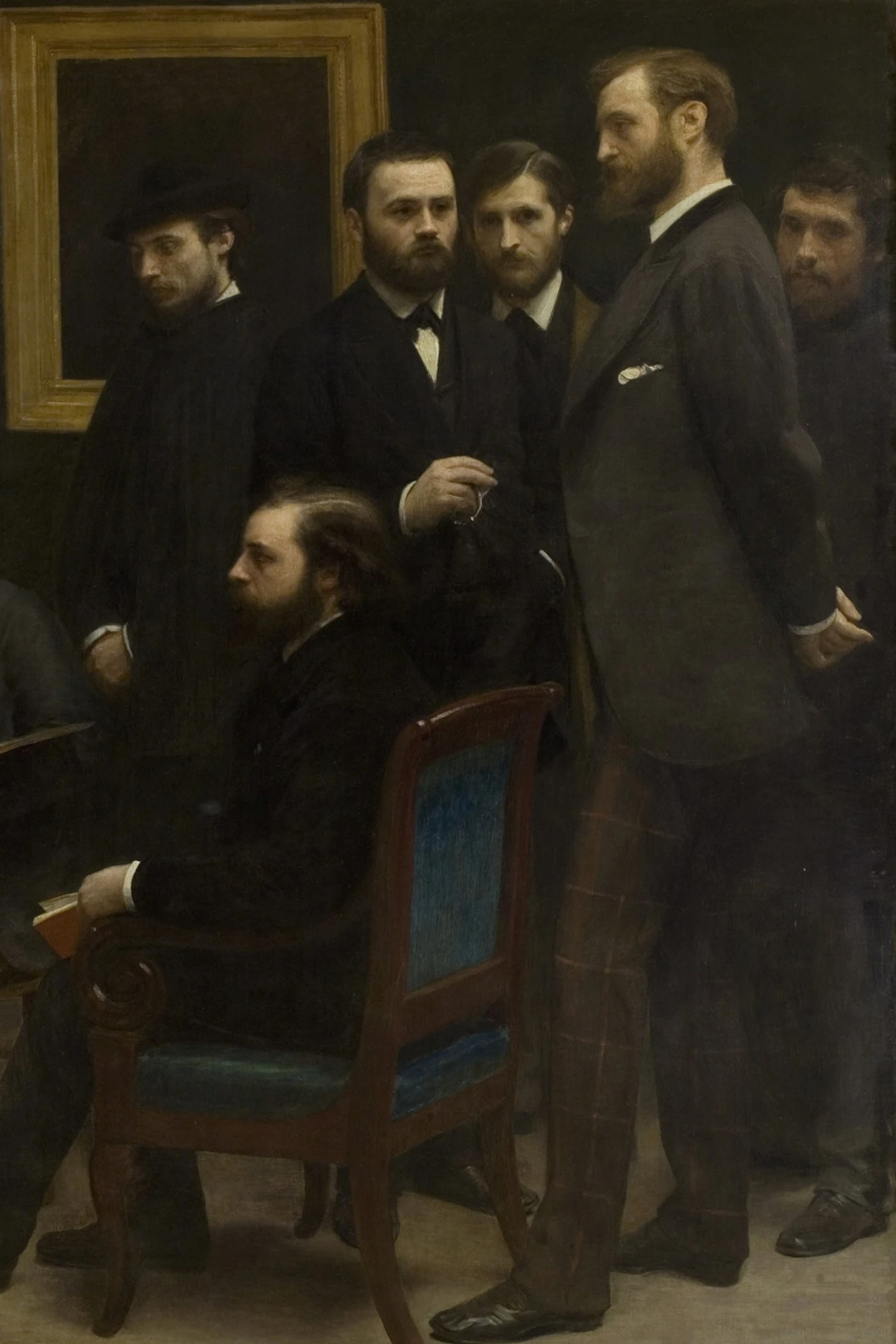
Demons
What is Demons about?
Demons is a classic political and philosophical novel by Fyodor Dostoevsky, centered on Pyotr Stepanovich Verkhovensky and a clandestine revolutionary circle in a provincial Russian town. Narrated by a semi-omniscient observer, the novel examines the lives of middle- and upper-class Russians as radical ideas begin to take hold. Rather than presenting a clear revolutionary program, the story serves as a critique of nihilism, ideological extremism, and moral decay in 19th-century society. Also known as The Possessed or The Devils, Demons is widely regarded as one of Dostoevsky’s most important works after his return from Siberian exile.
Main themes in Demons
Political nihilism
Political nihilism emerges as a defining element in Demons, shaping character development.
Revolutionary violence
The theme of revolutionary violence weaves through Demons, adding depth to its narrative.
Spiritual emptiness
In Demons, spiritual emptiness provides a lens for understanding the story's core message.
Corruption of idealism
Demons thoughtfully explores corruption of idealism through its central conflicts.
Why Demons is still relevant today
Demons has proven remarkably prophetic, anticipating the horrors of 20th-century totalitarianism decades before they occurred. Its analysis of how radical ideology corrupts idealistic youth, justifies violence, and destroys civil society remains urgently relevant in any era of political extremism. The novel continues to be studied for its insights into terrorism, cult psychology, and the dangers of ideological fanaticism. Its warning about the consequences of abandoning traditional moral foundations resonates across the political spectrum.
More by this author
Frequently Asked Questions
What is Demons about?
Demons depicts a group of revolutionary conspirators in a Russian provincial town whose nihilistic ideology leads to murder, chaos, and tragedy, exploring the dangers of radical politics.
Why is it called Demons?
The title refers to the 'demons' of nihilism and revolutionary ideology that possess the characters, drawn from the biblical story of demons entering a herd of swine.
Is Demons based on real events?
Yes, the novel was inspired by the Nechayev affair of 1869, in which a revolutionary group murdered one of its members who wanted to leave, shocking Russian society.
What is Stavrogin's role in Demons?
Nikolai Stavrogin is a charismatic but spiritually empty nobleman whose past influence has corrupted many of the revolutionaries. He represents the moral vacuum at the heart of nihilism.
Why did Dostoevsky write Demons?
Dostoevsky wrote Demons as a warning against the revolutionary ideologies spreading among Russian youth, which he believed would lead to violence and moral chaos.