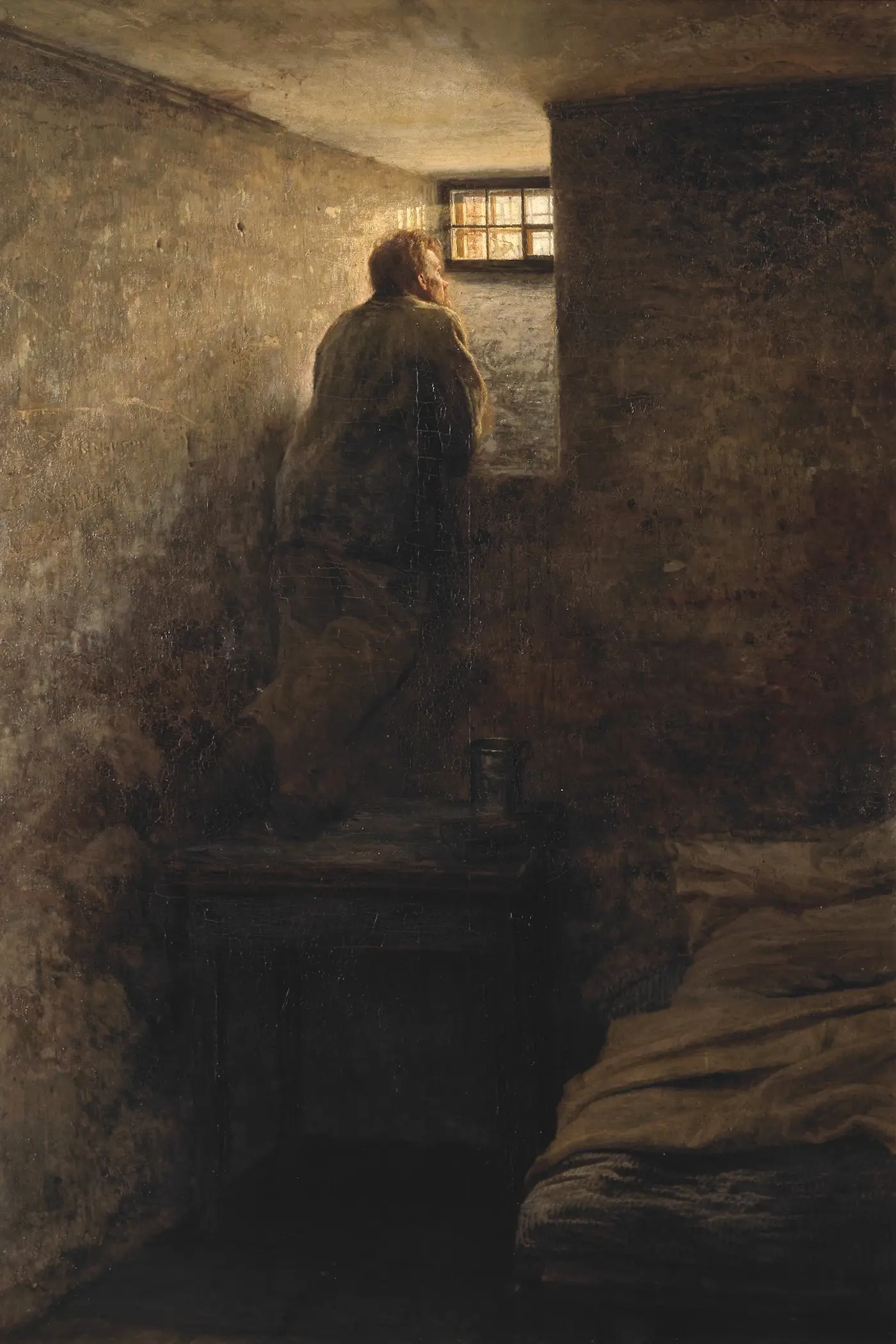
The House of the Dead
What is The House of the Dead about?
The House of the Dead is a classic semi-autobiographical novel by Fyodor Dostoevsky, inspired by his years in a Siberian prison camp. Structured as the recollections of Alexandr Petrovich Goryanchikov, the book portrays life inside a hard labor camp through encounters with fellow prisoners and guards. Rather than following a conventional plot, the novel offers a series of observations revealing both cruelty and compassion within the prison system. Drawing heavily from Dostoevsky’s own experiences, the work explores the coexistence of good and evil in human nature and helped establish the prison memoir genre.
Main themes in The House of the Dead
Prison and punishment
The House of the Dead thoughtfully explores prison and punishment through its central conflicts.
Human resilience
The presence of human resilience in The House of the Dead connects readers to its enduring relevance.
Social hierarchy
In The House of the Dead, social hierarchy provides a lens for understanding the story's core message.
Suffering and dignity
Suffering and dignity emerges as a defining element in The House of the Dead, shaping character development.
Why The House of the Dead is still relevant today
The House of the Dead remains a landmark in prison literature, influencing every subsequent account of incarceration from Solzhenitsyn to modern prison narratives. Its humane portrayal of criminals as complex individuals challenged assumptions about crime, punishment, and rehabilitation that persist today. The novel provides crucial context for understanding Dostoevsky's later works, as his prison experience profoundly shaped his views on suffering, redemption, and human psychology. Its insights into institutional life and human resilience remain relevant to ongoing debates about criminal justice.
More by this author

Frequently Asked Questions
What is The House of the Dead about?
The House of the Dead is a semi-autobiographical account of life in a Siberian prison camp, based on Dostoevsky's own four years of imprisonment for political activities.
Is The House of the Dead a true story?
The novel is based closely on Dostoevsky's real experiences as a prisoner in Omsk, Siberia, though presented as fiction through a fictional narrator.
Why was Dostoevsky imprisoned?
Dostoevsky was arrested in 1849 for involvement with the Petrashevsky Circle, a group discussing banned socialist literature. He faced a mock execution before being sent to Siberia.
How did prison affect Dostoevsky?
Prison transformed Dostoevsky's worldview, turning him away from radical politics toward a focus on faith, suffering, and the spiritual dimensions of the Russian people.
Should I read The House of the Dead?
The novel offers essential context for Dostoevsky's later masterworks and stands as a powerful, humane document of prison life that influenced all subsequent prison literature.