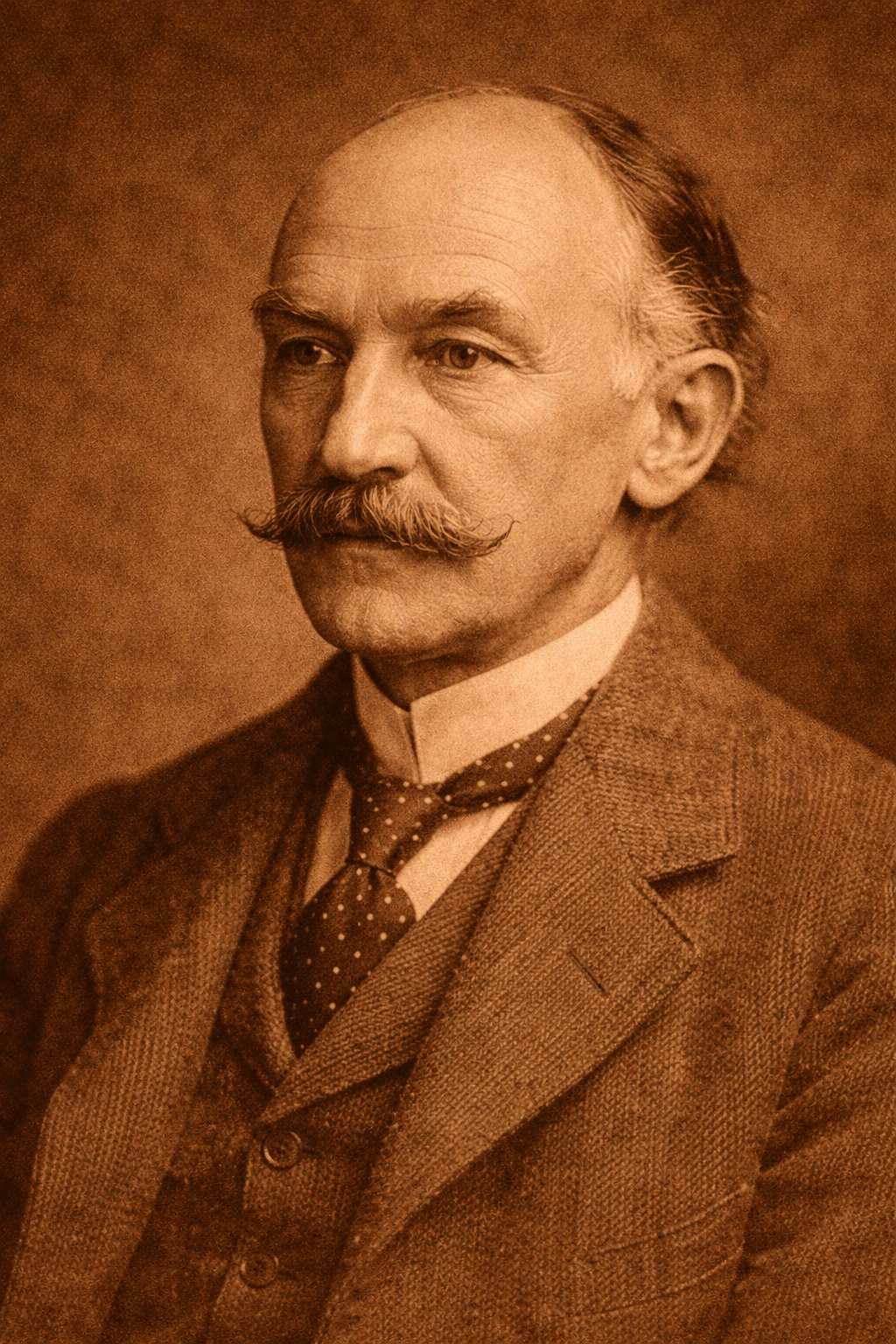
Thomas Hardy
Biography
Thomas Hardy (1840–1928) was an English novelist and poet whose fiction depicted rural life in the semi-fictional region of Wessex, corresponding roughly to the counties of southwestern England. Born in Higher Bockhampton, Dorset, Hardy trained as an architect in London before turning to literature in the 1870s. His architectural background informed both the structural precision of his plots and his acute sensitivity to landscape, built environment, and the material conditions of rural existence. Hardy's novels are characterized by their engagement with social determinism, sexual convention, and the indifference of natural forces to human aspiration. His early success with Under the Greenwood Tree (1872) and Far from the Madding Crowd (1874) established the pastoral Wessex setting and the theme of characters constrained by circumstance. The Return of the Native (1878) and The Mayor of Casterbridge (1886) deepened his exploration of fate, ambition, and the tension between individual will and communal expectation. His late novels represent the peak of his fictional achievement. Tess of the d'Urbervilles (1891) follows the destruction of a young woman by intersecting forces of class exploitation, sexual morality, and economic dispossession. Jude the Obscure (1895), which traces a stonemason's thwarted intellectual ambitions and an unconventional relationship, provoked hostile critical reaction for its frank treatment of marriage, sexuality, and religious doubt. The controversy surrounding Jude contributed to Hardy's decision to abandon novel-writing entirely. From 1898 onward, Hardy devoted himself to poetry, publishing eight collections that are valued for their formal variety, tonal restraint, and unsentimental treatment of memory, loss, and the passage of time. His verse influenced twentieth-century poets including Philip Larkin and W.H. Auden. Hardy's Wessex novels remain foundational texts of English literary realism, notable for their integration of individual tragedy with broader social and environmental forces.
Common themes in Thomas Hardy's work
Fate and free will
A recurring theme throughout Thomas Hardy's writing.
Rural England and Wessex
A recurring theme throughout Thomas Hardy's writing.
Social class constraints
A recurring theme throughout Thomas Hardy's writing.
Sexuality and morality
A recurring theme throughout Thomas Hardy's writing.
Books
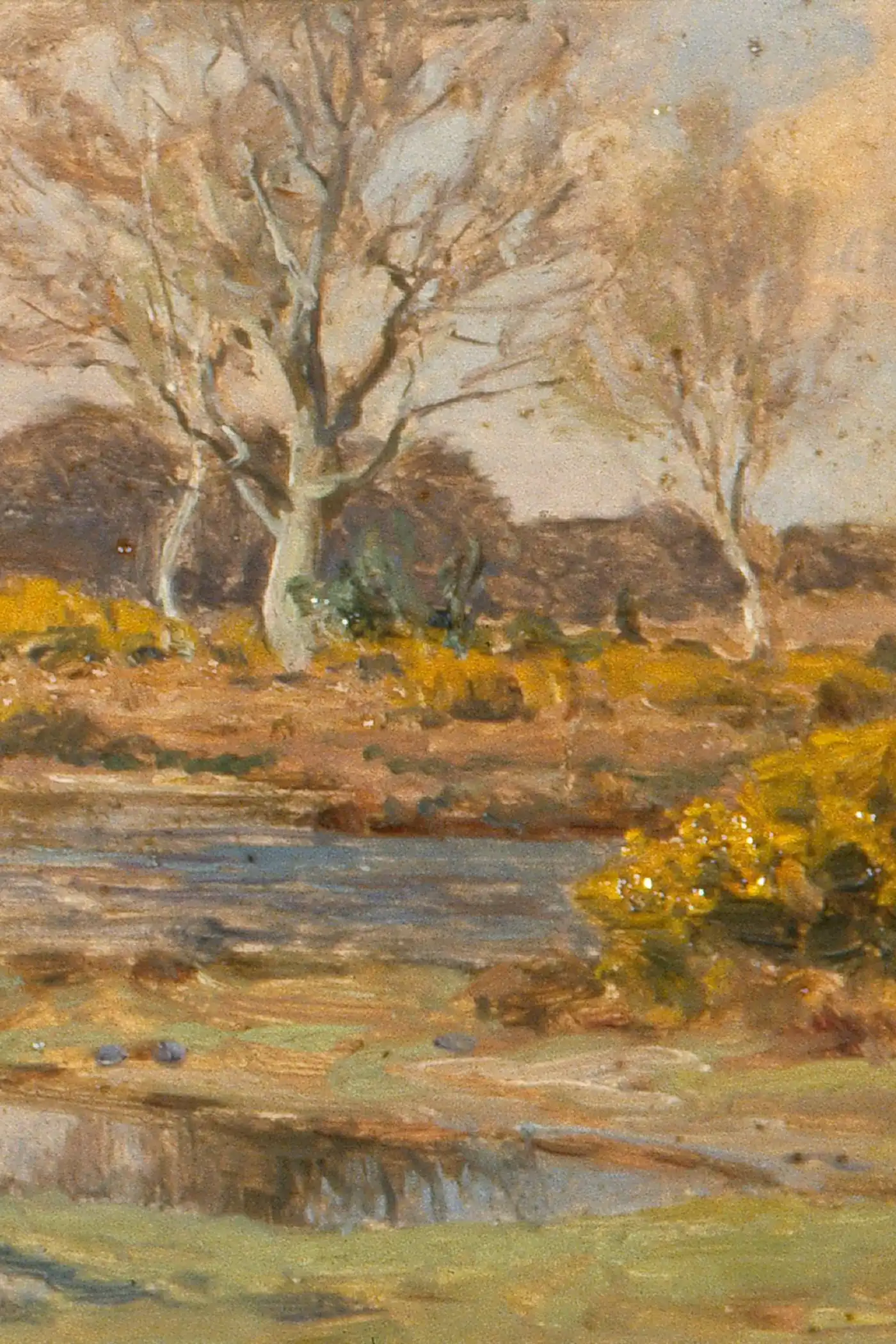
The Return of the Native
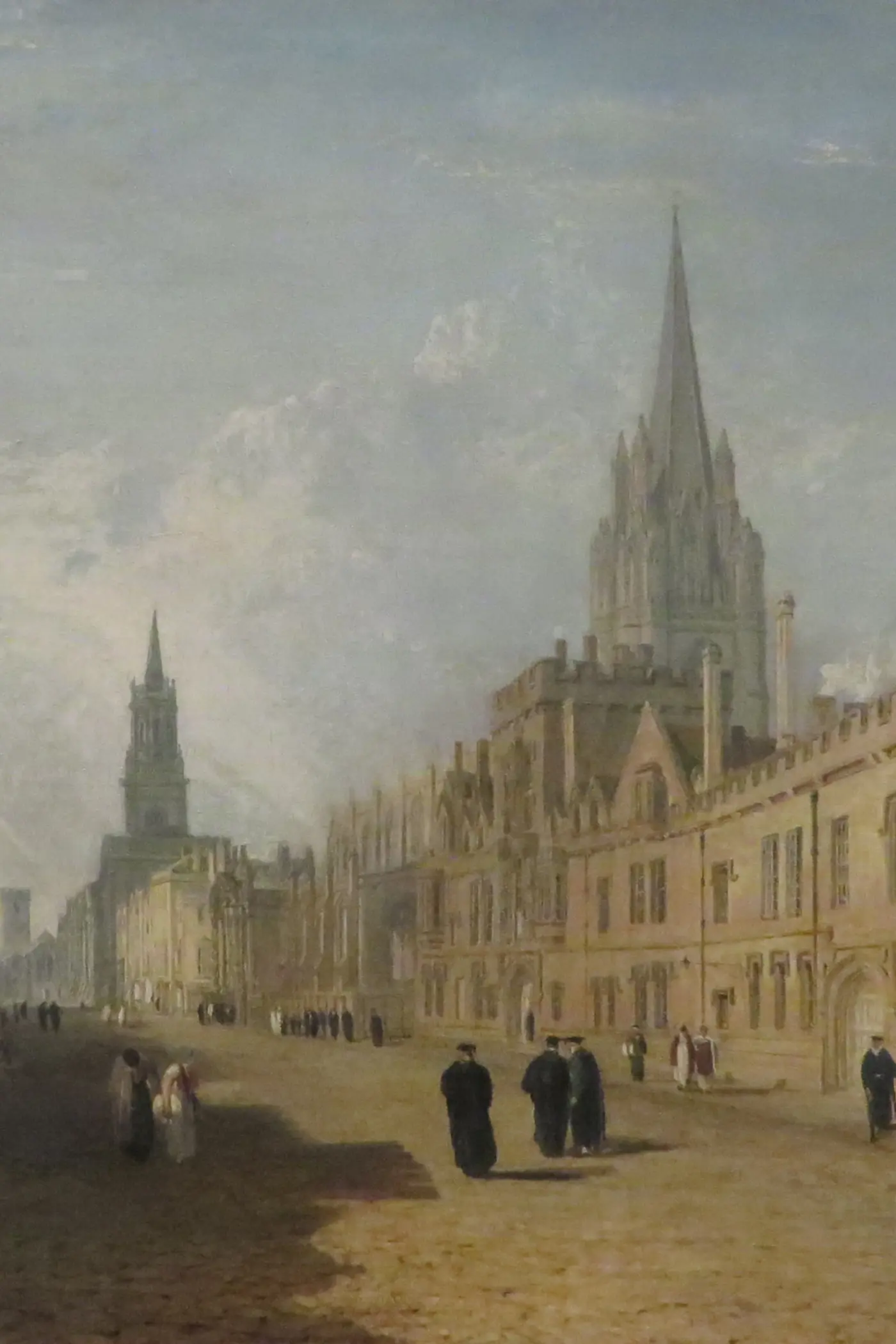
Jude the Obscure
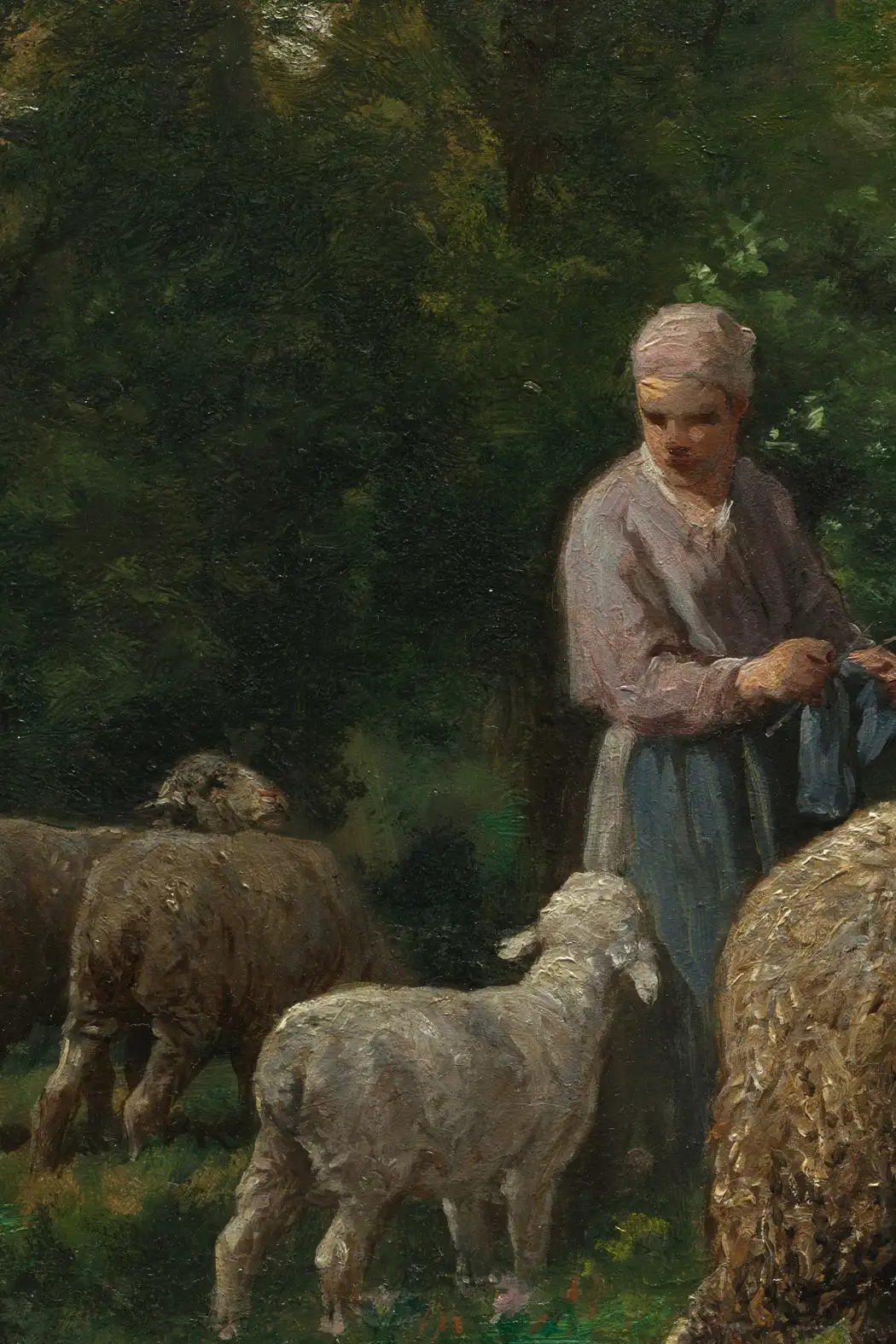
Far from the Madding Crowd
The Woodlanders
Short Fiction
The Mayor of Casterbridge
A Pair of Blue Eyes
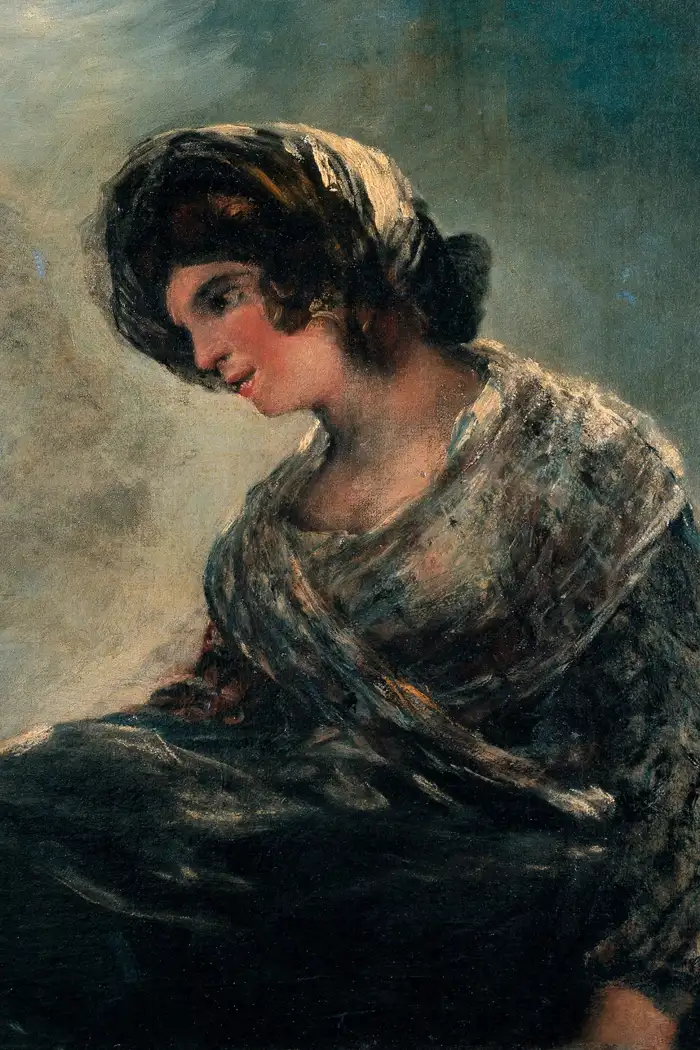
Tess of the d’Urbervilles
Explore by genre
Other authors you may enjoy
Why Thomas Hardy is still read today
Thomas Hardy (1840-1928) stands as one of the greatest English novelists and poets of the Victorian era. His novels, set in the fictional Wessex region based on rural southwest England, explore the tragic collision between individual aspiration and social convention, fate and free will. Works like "Tess of the d'Urbervilles" and "Jude the Obscure" caused scandal for their frank treatment of sexuality and religion, yet are now recognized as unflinching masterpieces of psychological realism. Hardy's portrayal of women struggling against restrictive society anticipated feminist concerns, while his pessimistic philosophy and rural settings influenced writers from D.H. Lawrence to John Fowles. His landscape writing remains unmatched in its evocation of place.
Frequently Asked Questions
What is Thomas Hardy best known for?
Hardy is celebrated for tragic novels like Tess of the d'Urbervilles, Jude the Obscure, and Far from the Madding Crowd. Set in fictional Wessex, they explore fate, social constraints, and the struggles of individuals against indifferent forces.
What is Wessex in Hardy's novels?
Wessex is Hardy's fictional name for the counties of southwest England—primarily Dorset, where he was born. He mapped real places onto invented names, creating a unified literary world across his novels.
Why were Hardy's novels controversial?
Tess and Jude were attacked for treating sexuality, illegitimacy, and religious doubt frankly. The hostile reception of Jude the Obscure contributed to Hardy abandoning novels for poetry.
Why did Hardy stop writing novels?
After the brutal reception of Jude the Obscure in 1895, Hardy devoted himself to poetry for his remaining thirty years. He considered poetry his true calling and produced several acclaimed collections.
What is Hardy's writing style?
Hardy combines meticulous attention to landscape and rural life with philosophical pessimism and psychological depth. His prose is often ironic, his plots driven by coincidence and fate, his characters caught between desire and duty.
Essential cookies keep you signed in and save your reading progress. Analytics cookies help us understand how the site is used. You can reject analytics — we still work without them. Learn more in our Privacy Policy.