Jude the Obscure
What is Jude the Obscure about?
Jude the Obscure was first published in its complete form in 1895, just after finishing its serial run in Harper’s Magazine . At the time, its unconventional and somewhat scandalous themes earned it widespread criticism and condemnation. In the 1912 “Wessex Edition,” Hardy appended a postscript to the book’s preface in which he stated that the outrage ultimately abated with no lingering effect other than “completely curing me of further interest in novel-writing.” Indeed, Jude was to be Hardy’s last novel. The story chronicles the life of Jude Fawley, an orphan boy of unremarkable birth or means, growing up in the small farming village of Marygreen in Hardy’s fictional version of Wessex, England. From an early age, Jude determines to chart the course of his life by the stars of learning and scholarship, but he very quickly discovers just how little interest the society of his time would take in the grand ambitions of a young man of so humble an origin. Without proper guidance and limited resources, his progress is slow and arduous. And when he discovers the existence of his cousin, the charming Sue Bridehead, it is nearly abandoned altogether in favor of an almost obsessive pursuit. The novel proceeds to trace the lives of Jude and Sue as they become locked in a struggle both against themselves and the conventions of their times. Lofty ideals clash with harsh realities; grand pursuits fall prey to darker aspects of human nature. Characters are complex: at times spiteful, selfish, or self-destructive. Hardy, however, remains very subtle in his portrayal of these tragic figures and their flaws. The effect is to render them convincingly human. Ultimately, Jude is an unhappy tale of unfulfilled promise that is rarely told, and rarely told so well.
Main themes in Jude the Obscure
Class and education
The presence of class and education in Jude the Obscure connects readers to its enduring relevance.
Marriage and divorce
In Jude the Obscure, marriage and divorce provides a lens for understanding the story's core message.
Sexual freedom
Sexual freedom emerges as a defining element in Jude the Obscure, shaping character development.
Religious doubt
Religious doubt emerges as a defining element in Jude the Obscure, shaping character development.
Why Jude the Obscure is still relevant today
Jude the Obscure (1895) is Hardy's darkest and most controversial novel. The story of Jude Fawley, a working-class man whose dreams of education are crushed by class barriers and sexual entanglements, was so viciously attacked that Hardy never wrote another novel. Its frank treatment of sexuality, marriage, and religion shocked Victorian readers but anticipated modern concerns about social mobility and institutional failure.
More by this author

Frequently Asked Questions
What is Jude the Obscure about?
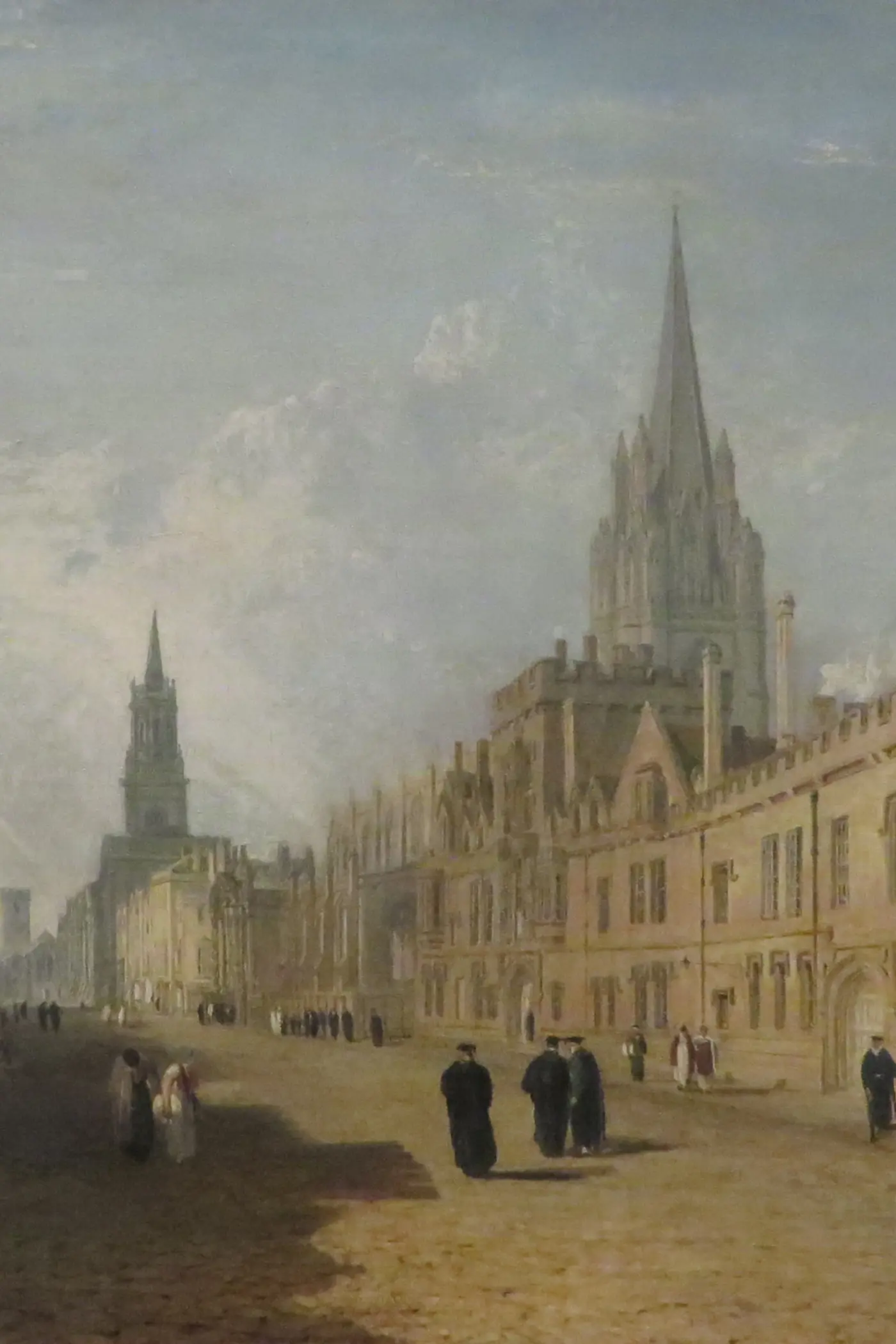
Jude Fawley, an intelligent working-class man, dreams of studying at the University of Christminster (Oxford). His ambitions are thwarted by class barriers and his complicated relationship with his cousin Sue Bridehead.
Why was Jude the Obscure so controversial?
Its frank treatment of sex, cohabitation without marriage, attacks on religious institutions, and the tragic deaths of children caused outrage. A bishop burned his copy, and Hardy received hate mail.
Why did Hardy stop writing novels after Jude?
The hostile reception wounded Hardy deeply. He said he was cured of writing novels and devoted his remaining thirty years to poetry, which he considered his true vocation.
What is the significance of Christminster?
Christminster represents Oxford and the dream of education that class barriers make impossible for Jude. The city symbolizes both aspiration and exclusion—visible but forever out of reach for working-class people.