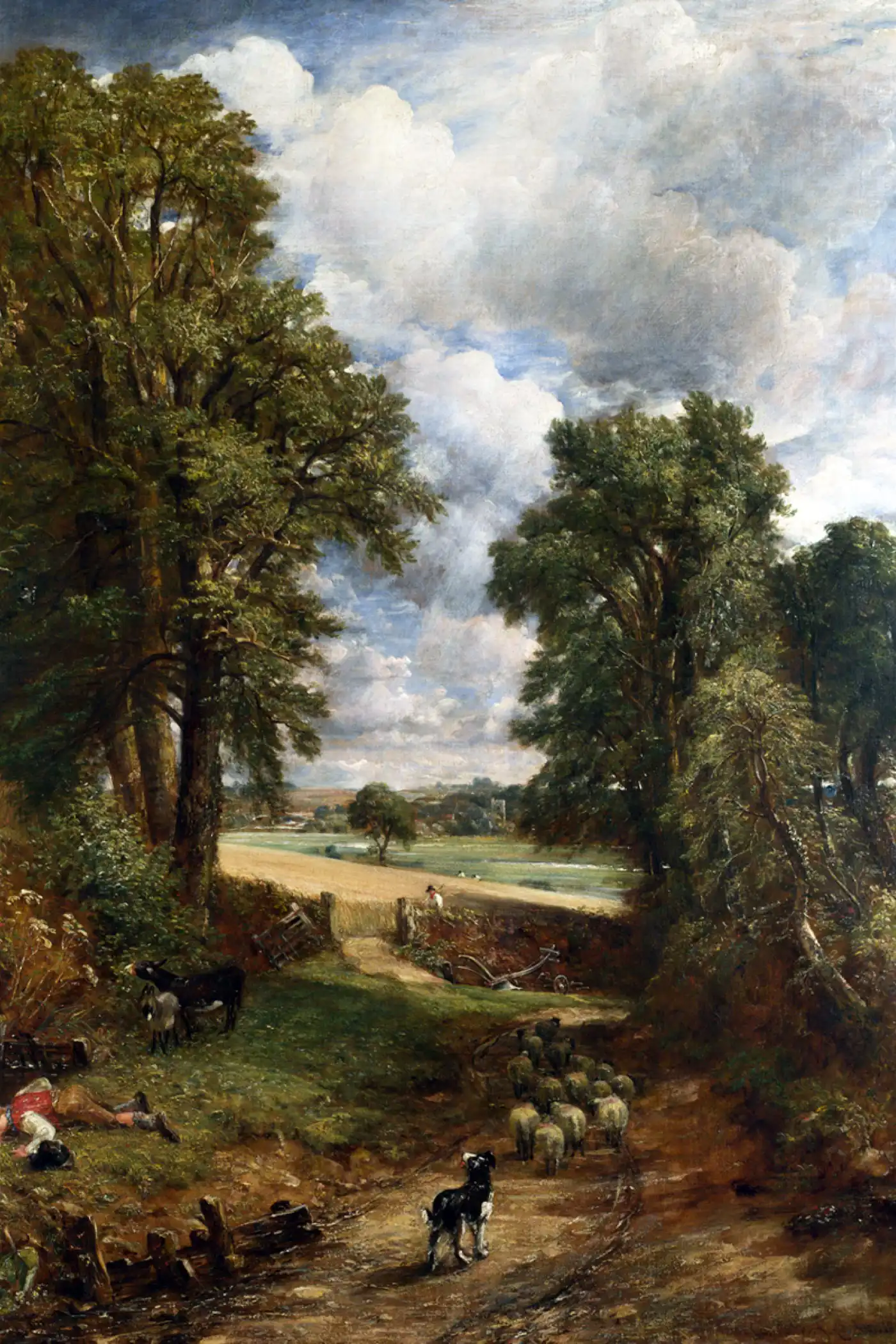
The Woodlanders
What is The Woodlanders about?
Grace Melbury, daughter of a rich local wood-trader, has been raised beyond her family through years of expensive education. Coming home, she finds herself pulled between her love for her childhood friend Giles Winterborne, and the allure of the enigmatic Doctor Fitzpiers. Giles and Edgar have their own admirers too, and the backdrop of the bucolic pastures and woodlands of an impressionistic take on south-west England provides the perfect setting for their story. The Woodlanders was commissioned by Macmillan’s Magazine in 1884, and was serialized and later published as a novel in 1887. The story’s themes of infidelity and less-than-blissful marriage were unusual for the time and drew ire from campaigners, but on its publication it garnered immediate critical acclaim. Thomas Hardy later regarded it as the favorite of his stories, and it’s remained perennially popular as a novel and as a series of adaptations to theatre, opera and film.
Main themes in The Woodlanders
Woodland life
In The Woodlanders, woodland life provides a lens for understanding the story's core message.
Class and marriage
The Woodlanders thoughtfully explores class and marriage through its central conflicts.
Nature and society
In The Woodlanders, nature and society provides a lens for understanding the story's core message.
Unrequited love
In The Woodlanders, unrequited love provides a lens for understanding the story's core message.
Why The Woodlanders is still relevant today
The Woodlanders (1887) explores love, class, and nature in the woodland community of Little Hintock. Often overshadowed by Hardy's more famous novels, it is one of his most beautifully written, with intimate knowledge of forest life and skilled handling of romantic complications. Hardy considered it his best novel, and many critics have agreed.
More by this author
Frequently Asked Questions
What is The Woodlanders about?
In the woodlands of Little Hintock, Grace Melbury returns from her education to find herself caught between the woodland man Giles Winterborne and the sophisticated doctor Fitzpiers. Class differences and romantic betrayals follow.
Did Hardy consider this his best novel?
Hardy once said if he had to choose one of his novels to represent him, it would be The Woodlanders. Many readers find its woodland atmosphere and nuanced characters among his finest achievements.
Why is this novel less famous than Tess or Jude?
It lacks the sensational plot elements that caused controversy and publicity for those novels. Its quieter tragedy and absence of shocking content made it less discussed, but not less accomplished.
What is the woodland world like?
Hardy creates a complete world of cider-making, bark-stripping, and tree-planting with encyclopedic knowledge. The forest is both livelihood and symbol, beautiful but threatened by outsiders and change.