Far from the Madding Crowd
What is Far from the Madding Crowd about?
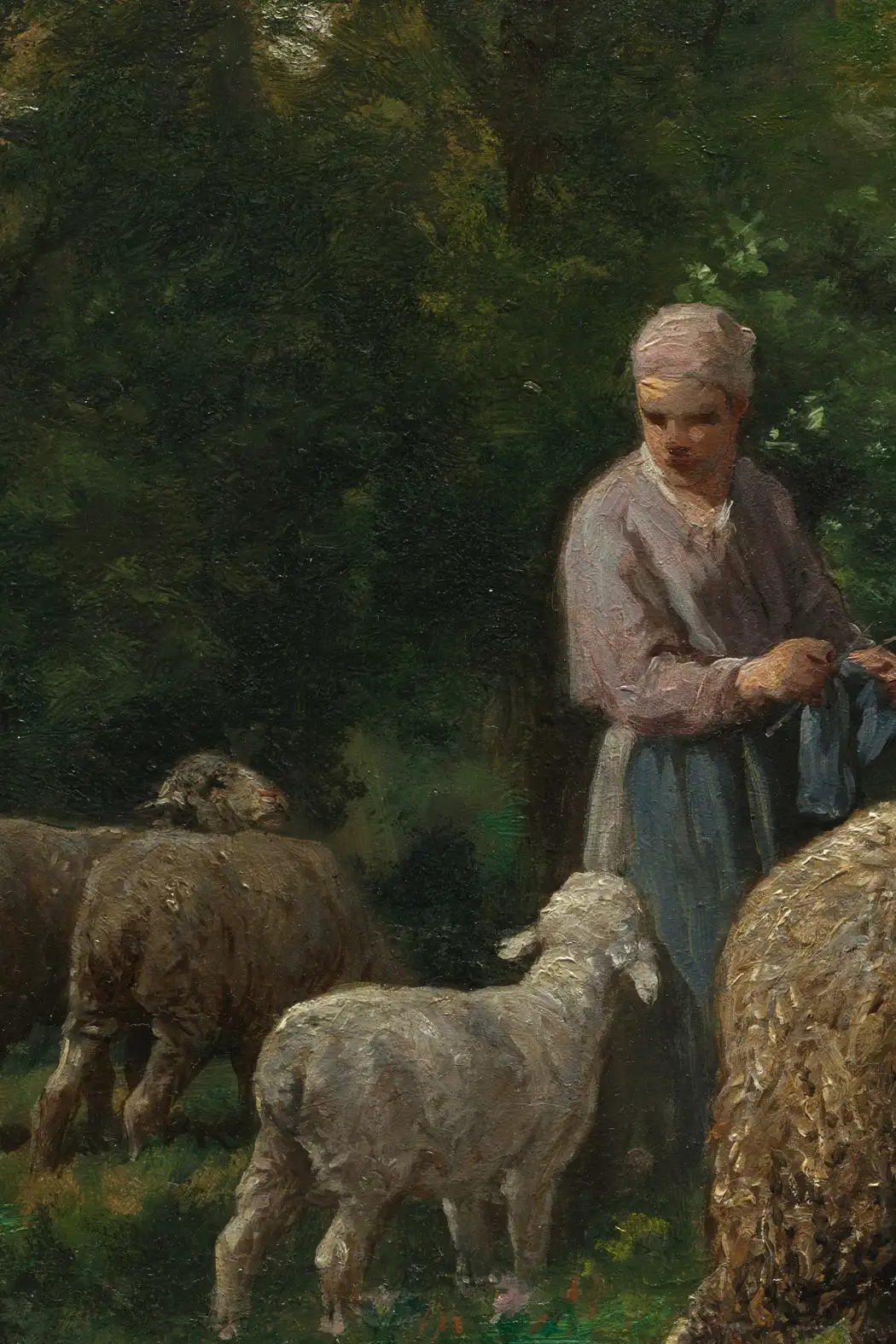
Far from the Madding Crowd was Thomas Hardy’s fourth novel and was completed in 1874. It was originally serialized in Cornhill Magazine and was quickly published in a successful single volume. Hardy described Wessex as “a merely realistic dream country” and so it is in Far from the Madding Crowd , where an idyllic view of the countryside is interrupted by the bitter reality of farming life. The novel is the first that Hardy sets in fictional Wessex; he quickly realised that setting novels there could be a money-earner that would subsidise his poetry-writing ambitions. Gabriel Oak, the faithful man and aspiring farmer; Bathsheba Everdene, the young and independent lady farmer; William Boldwood, the lonely neighbour; and Sergeant Troy, the dashing military man, all lead intertwined lives which are full of love and loss.
Main themes in Far from the Madding Crowd
Rural life and farming
Rural life and farming emerges as a defining element in Far from the Madding Crowd, shaping character development.
Female independence
In Far from the Madding Crowd, female independence provides a lens for understanding the story's core message.
Romantic choice
The presence of romantic choice in Far from the Madding Crowd connects readers to its enduring relevance.
Wessex pastoral
The theme of wessex pastoral weaves through Far from the Madding Crowd, adding depth to its narrative.
Why Far from the Madding Crowd is still relevant today
Far from the Madding Crowd (1874) was Hardy's first major success and introduced his fictional Wessex. The story of Bathsheba Everdene, an independent woman choosing between three suitors, combines pastoral beauty with psychological complexity. Its portrayal of a strong female protagonist managing her own farm while navigating romantic complications remains fresh and compelling.
More by this author
Frequently Asked Questions
What is Far from the Madding Crowd about?
Bathsheba Everdene inherits a farm and must choose between three suitors: the steady shepherd Gabriel Oak, the wealthy farmer Boldwood, and the dashing but unreliable Sergeant Troy. Her choices have dramatic consequences.
Why is Bathsheba Everdene significant?
She is one of Victorian literature's most independent heroines—she manages her own farm, resists pressure to marry, and learns from her mistakes. Her name has resonated through later works including The Hunger Games.
What is the title from?
The title quotes Thomas Gray's Elegy Written in a Country Churchyard, suggesting rural life removed from urban ambition and madness—though Hardy's countryside contains its own passions and tragedies.
Is this a good introduction to Hardy?
Yes, it combines Hardy's characteristic Wessex setting and psychological depth with a relatively hopeful ending, making it more accessible than his bleaker later works.