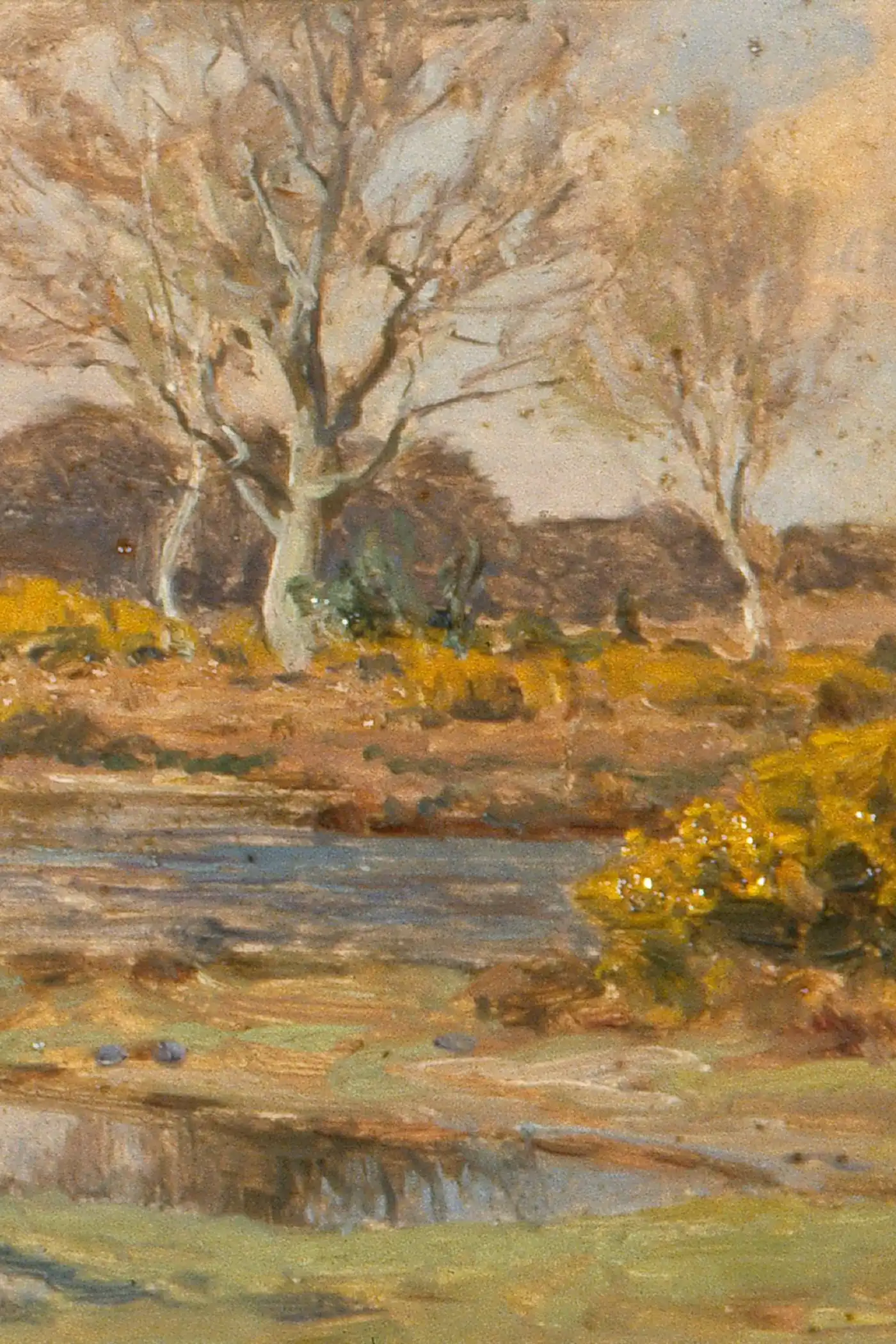
The Return of the Native
What is The Return of the Native about?
The Return of the Native opens with Thomasin Yeobright returning from her wedding, which was aborted because of an error on the marriage license. She was supposed to wed Damon Wildeve, who seems ambivalent about the marriage, and still secretly longs for Eustacia Vye, a former lover. Eustacia imagines a better life than that of a lonely young woman living with her grandfather in the rural southwest of England. When Thomasin’s cousin Clym returns from business in Paris, Eustacia sees him as someone who can take her away to a city with charm and beauty, so unlike the heath that she loathes. But Yeobright has other plans. Hardy originally conceived The Return of the Native as a classical tragedy in five parts, but as it was being serialized, he added a sixth part in consideration of a public that demanded a more satisfying ending. The novel was controversial at the time, dealing with marital dissatisfaction and infidelity.
Main themes in The Return of the Native
Landscape and fate
The theme of landscape and fate weaves through The Return of the Native, adding depth to its narrative.
Egdon Heath
Egdon Heath emerges as a defining element in The Return of the Native, shaping character development.
Thwarted desire
The presence of thwarted desire in The Return of the Native connects readers to its enduring relevance.
Return and disillusion
Return and disillusion emerges as a defining element in The Return of the Native, shaping character development.
Why The Return of the Native is still relevant today
The Return of the Native (1878) is set on Egdon Heath, one of the great landscape creations in English literature. The story of Eustacia Vye, trapped in the rural heath and longing for Parisian glamour, explores the conflict between desire and environment. Its five-act structure evokes classical tragedy, and its brooding atmosphere influenced countless later writers.
More by this author
Frequently Asked Questions
What is The Return of the Native about?
On the wild Egdon Heath, Clym Yeobright returns from Paris, disillusioning Eustacia Vye who dreams of escape. Their marriage and the tangled relationships with other characters lead to tragedy.
What is Egdon Heath?
Based on the heathlands of Dorset, Egdon Heath dominates the novel as an almost living presence. Hardy's famous opening chapter establishes it as timeless, unchanged, and indifferent to human concerns.
Who is Eustacia Vye?
One of Hardy's most compelling creations—passionate, beautiful, and desperately unhappy in her rural isolation. She is described as the raw material of a goddess, trapped in provincial obscurity.
What is the classical structure?
Hardy divides the novel into five books following the structure of classical tragedy, complete with unity of place (the heath) and time (a year and a day). This gives the novel ceremonial weight.