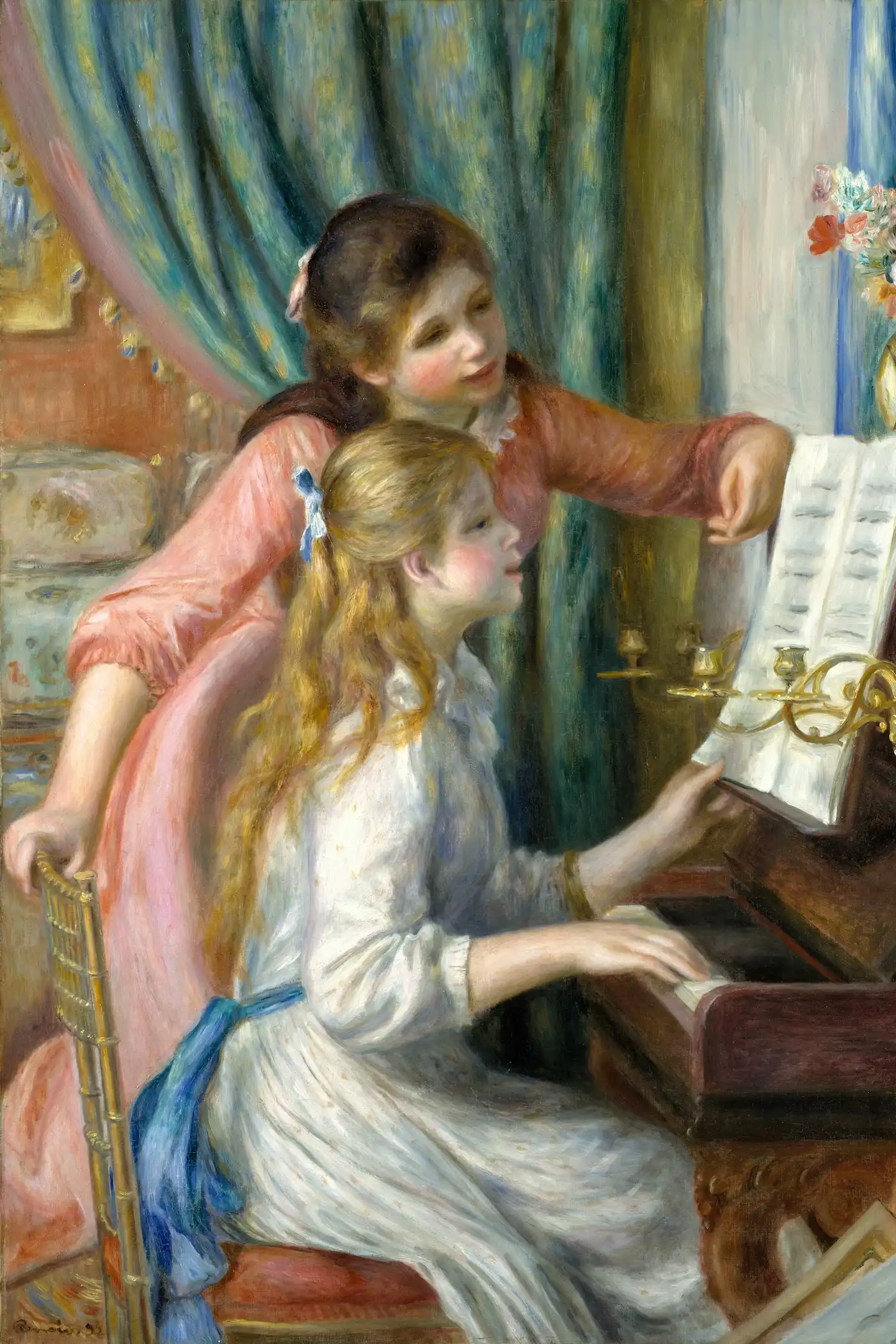
A Daughter of Eve
What is A Daughter of Eve about?
A Daughter of Eve (Une fille d'Ève), published in 1838-39, is a psychologically nuanced novel by Honoré de Balzac that examines the vulnerabilities of women raised in sheltered innocence. The story follows two sisters, Marie-Angélique and Marie-Eugénie de Granville, who were raised in strict seclusion by their devoutly religious mother, leaving them profoundly ignorant of the ways of the world. Both sisters marry into Parisian society. Marie-Angélique weds the shrewd Comte Félix de Vandenesse, while Marie-Eugénie marries the wealthy but blunt Comte du Tillet. The novel focuses primarily on Marie-Angélique, whose sheltered upbringing leaves her dangerously susceptible to the attentions of Raoul Nathan, a brilliant but reckless journalist and writer who flatters her with intellectual admiration and romantic intensity. As Marie-Angélique becomes increasingly entangled with Nathan, she unwittingly endangers her marriage, her reputation, and her husband's fortune. Félix de Vandenesse must navigate the crisis with tact and firmness, revealing both the strengths and limitations of his worldly wisdom. Balzac uses this domestic drama to explore how an education designed to protect women through ignorance actually leaves them more vulnerable to manipulation. The novel offers sharp insights into the dynamics of Parisian marriage, the seductive power of intellectual flattery, and the gap between romantic idealism and marital reality. A Daughter of Eve is a compact but penetrating contribution to Balzac's ongoing examination of women, marriage, and social power.
Main themes in A Daughter of Eve
Ignorance as Vulnerability
In A Daughter of Eve, ignorance as vulnerability provides a lens for understanding the story's core message.
Women's Education
The theme of women's education weaves through A Daughter of Eve, adding depth to its narrative.
Marital Trust and Crisis
Marital Trust and Crisis emerges as a defining element in A Daughter of Eve, shaping character development.
Intellectual Seduction
The theme of intellectual seduction weaves through A Daughter of Eve, adding depth to its narrative.
Why A Daughter of Eve is still relevant today
A Daughter of Eve is a valuable text for readers interested in Balzac's treatment of women's education, marital dynamics, and the social consequences of ignorance. The novel's critique of sheltered upbringing as a form of control anticipates later feminist arguments about women's right to knowledge and experience. It features recurring characters from La Comédie humaine, including Félix de Vandenesse from The Lily of the Valley, enriching the interconnected world of Balzac's fiction. The novel's compact length and dramatic focus make it an accessible introduction to Balzac's domestic fiction. Readers who enjoy novels of social manners and psychological suspense will find it compelling.
More by this author

Frequently Asked Questions
What is A Daughter of Eve about?
The novel follows two sisters raised in strict religious seclusion who marry into Parisian society, focusing on the elder sister's dangerous infatuation with a charismatic but reckless journalist that threatens her marriage and reputation.
Why is the novel called A Daughter of Eve?
The title alludes to the biblical Eve, suggesting that women's susceptibility to temptation is not innate but rather produced by the ignorance imposed upon them, just as Eve was forbidden knowledge in the Garden of Eden.
How does this novel connect to other Balzac works?
The novel features Félix de Vandenesse, the protagonist of The Lily of the Valley, now older and married. Raoul Nathan appears in several other novels, and du Tillet is a major figure in Balzac's financial novels.
What is Balzac's view on women's education in this novel?
Balzac argues that educating women through enforced ignorance is counterproductive, leaving them unable to recognize manipulation and more vulnerable to precisely the dangers their upbringing was designed to prevent.
Is A Daughter of Eve a long novel?
No, it is one of Balzac's shorter works, focusing tightly on a single domestic crisis. Its compact length makes it an accessible entry point into his exploration of marriage and social dynamics.