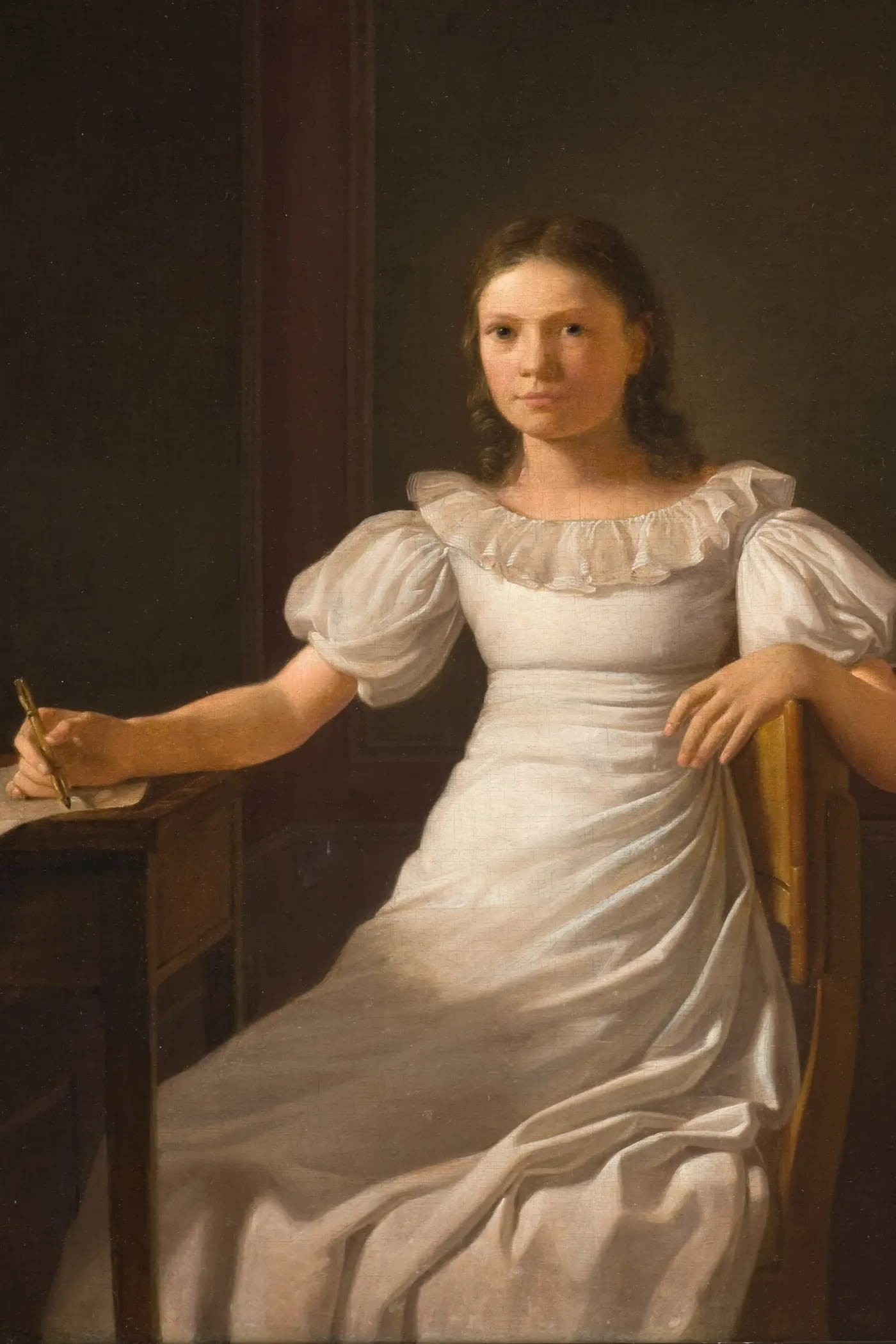
Modeste Mignon
What is Modeste Mignon about?
Modeste Mignon, published in 1844, is one of Honoré de Balzac's most charming and psychologically astute novels, exploring the gap between literary fantasy and romantic reality. The story centers on Modeste Mignon, an intelligent and imaginative young woman living in Le Havre who, inspired by her reading, writes an anonymous fan letter to the celebrated Parisian poet Canalis. Unknown to Modeste, her letter is intercepted and answered not by Canalis himself but by his modest and devoted secretary, Ernest de La Brière, who falls genuinely in love with the unknown correspondent. A secret correspondence develops in which Modeste pours out her heart to a man she believes to be the great poet, while the actual poet remains oblivious. When identities are eventually revealed, Modeste must choose between the famous but vain Canalis and the sincere but unassuming La Brière. Balzac uses this romantic comedy of errors to probe serious questions about celebrity, literary fame, and the dangerous tendency to fall in love with an image rather than a person. Modeste herself is one of Balzac's most appealing heroines: well-read, witty, and self-aware, yet vulnerable to the seductions of the imagination. The novel also offers a vivid portrait of the Norman merchant class and the shifting social dynamics of the July Monarchy. Modeste Mignon stands as a delightful and thought-provoking meditation on the difference between the men we imagine and the men who actually exist.
Main themes in Modeste Mignon
Fantasy versus Reality
The presence of fantasy versus reality in Modeste Mignon connects readers to its enduring relevance.
Literary Celebrity
Literary Celebrity emerges as a defining element in Modeste Mignon, shaping character development.
Identity and Deception
The theme of identity and deception weaves through Modeste Mignon, adding depth to its narrative.
Sincerity versus Vanity
In Modeste Mignon, sincerity versus vanity provides a lens for understanding the story's core message.
Why Modeste Mignon is still relevant today
Modeste Mignon is a rewarding read for those interested in Balzac's lighter, more comedic register and his treatment of literary celebrity culture. The novel's central premise of a fan writing to a famous author and receiving replies from an impostor anticipates modern questions about parasocial relationships, celebrity worship, and online identity. It offers one of Balzac's most sympathetic and fully realized female protagonists. The novel also provides valuable insight into Norman provincial society during the July Monarchy. Readers who enjoy Jane Austen's romantic comedies of manners or novels about the literary world will find Modeste Mignon an unexpected pleasure within La Comédie humaine.
More by this author


Frequently Asked Questions
What is Modeste Mignon about?
A young woman in Le Havre writes an anonymous fan letter to a famous poet, but his secretary intercepts it and replies in the poet's name, leading to a secret correspondence and a romantic comedy of mistaken identity.
Is Modeste Mignon a comedy?
Yes, it is one of Balzac's most lighthearted novels, structured around romantic misunderstanding and mistaken identity, though it also contains serious reflections on celebrity, sincerity, and the nature of love.
How does Modeste Mignon anticipate modern culture?
The novel's exploration of fan-celebrity relationships, the gap between public persona and private self, and falling in love through written correspondence anticipates contemporary discussions of parasocial relationships and online dating.
Who is the heroine Modeste Mignon?
Modeste is an intelligent, well-read young woman from a Norman merchant family who is imaginative enough to idealize a poet she has never met, yet ultimately perceptive enough to recognize genuine feeling over surface charm.
Where does Modeste Mignon fit in La Comédie humaine?
The novel belongs to the Scenes of Private Life and connects to the broader world of La Comédie humaine through the character of Canalis and references to Parisian literary society.