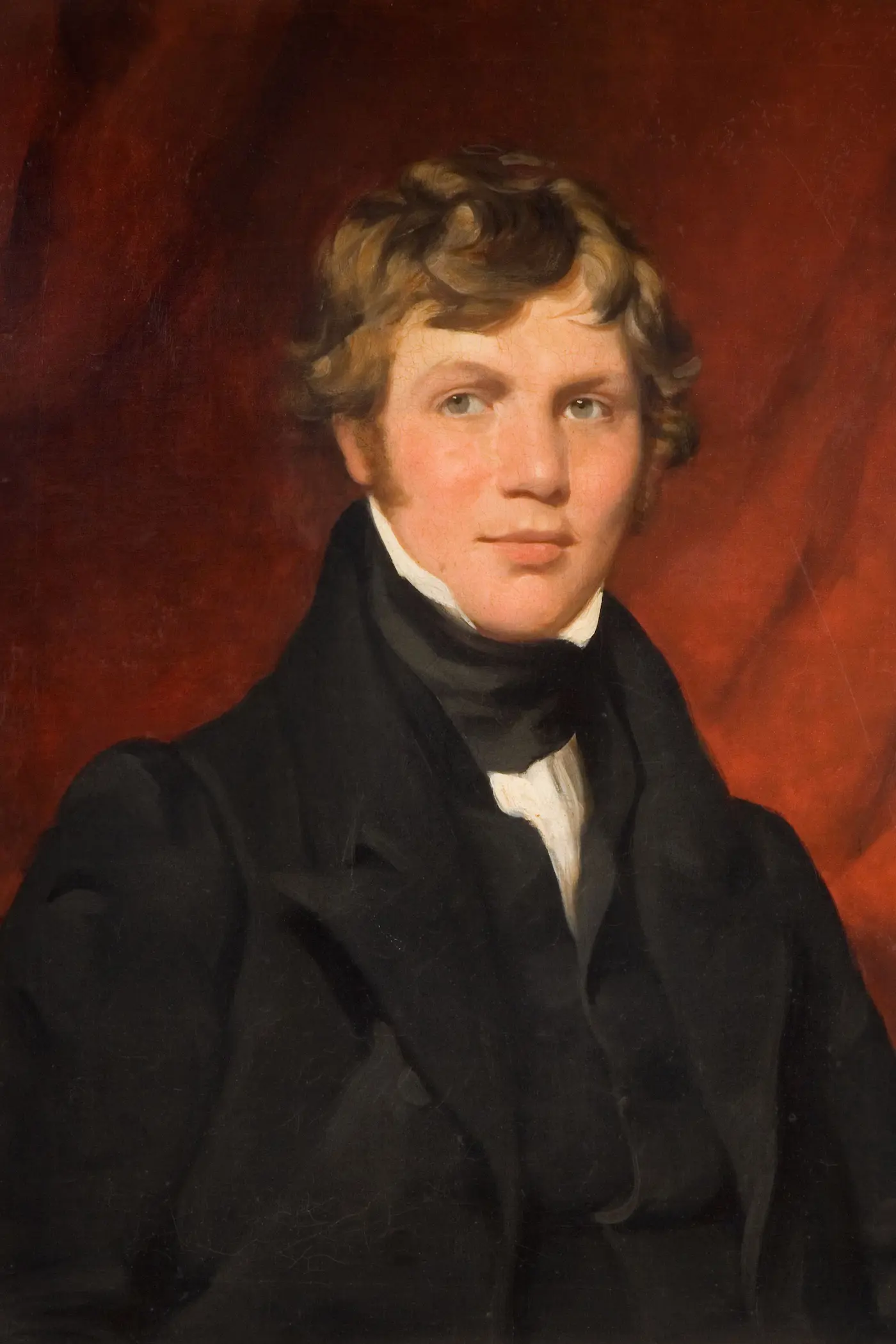
A Start in Life
What is A Start in Life about?
A Start in Life (Un début dans la vie), published in 1842, is one of Honoré de Balzac's most entertaining and instructive novels, combining sharp social comedy with a serious examination of how a single youthful indiscretion can derail an entire career. The story follows Oscar Husson, a naive and boastful young man whose mother has secured him a promising position through the patronage of the Comte de Sérisy. The novel opens with a brilliantly staged coach journey from Paris to the countryside, during which Oscar, eager to impress his fellow passengers, tells a series of lies and indiscretions that reveal secrets about the very people sitting beside him in disguise. This disastrous journey sets in motion a chain of consequences that haunts Oscar for years, demolishing his prospects and forcing him through a series of humbling experiences before he can rebuild his life. Balzac uses Oscar's misadventures to illustrate the unforgiving nature of social reputation in post-Napoleonic France, where a single misstep can close doors permanently. The coach scene is a masterpiece of dramatic irony, as the reader watches Oscar unknowingly destroy himself with every word he speaks. A Start in Life belongs to the Scenes of Private Life in La Comédie humaine and offers a vivid portrait of the mechanisms of patronage, social advancement, and the precarious position of young men without fortune who depend entirely on the goodwill of their social superiors.
Main themes in A Start in Life
Youthful Indiscretion
Youthful Indiscretion emerges as a defining element in A Start in Life, shaping character development.
Social Reputation
A Start in Life thoughtfully explores social reputation through its central conflicts.
Patronage and Dependence
The presence of patronage and dependence in A Start in Life connects readers to its enduring relevance.
Dramatic Irony
In A Start in Life, dramatic irony provides a lens for understanding the story's core message.
Why A Start in Life is still relevant today
A Start in Life is one of Balzac's most accessible and entertaining novels, ideal for readers approaching La Comédie humaine for the first time. Its central coach scene is frequently anthologized as a masterpiece of dramatic irony and social comedy. The novel provides valuable insight into the patronage systems and social hierarchies that governed career advancement in nineteenth-century France. Its theme of how youthful indiscretion can have lasting consequences remains universally relevant. Readers who enjoy novels of social embarrassment, coming-of-age stories, or comedies of manners will find A Start in Life a delightful and surprisingly modern reading experience.
More by this author
Frequently Asked Questions
What is A Start in Life about?
The novel follows Oscar Husson, a naive young man who destroys his career prospects by boasting and revealing secrets during a coach journey, unaware that his fellow passengers include the very people he is offending.
What is the famous coach scene in A Start in Life?
The coach scene is a brilliantly constructed set piece in which Oscar, trying to impress strangers on a journey from Paris, reveals compromising information about passengers who are traveling incognito. It is one of Balzac's finest examples of dramatic irony.
Is A Start in Life a good introduction to Balzac?
Yes, its entertaining plot, compact length, and universal theme of youthful mistakes make it one of the most accessible novels in La Comédie humaine for new readers.
What does A Start in Life say about social class?
The novel illustrates how young people without wealth or connections were entirely dependent on patronage for their careers, and how a single social blunder could permanently close the doors to advancement.
Where does A Start in Life fit in La Comédie humaine?
It belongs to the Scenes of Private Life and connects to the wider cycle through characters like the Comte de Sérisy, who appears in multiple novels.