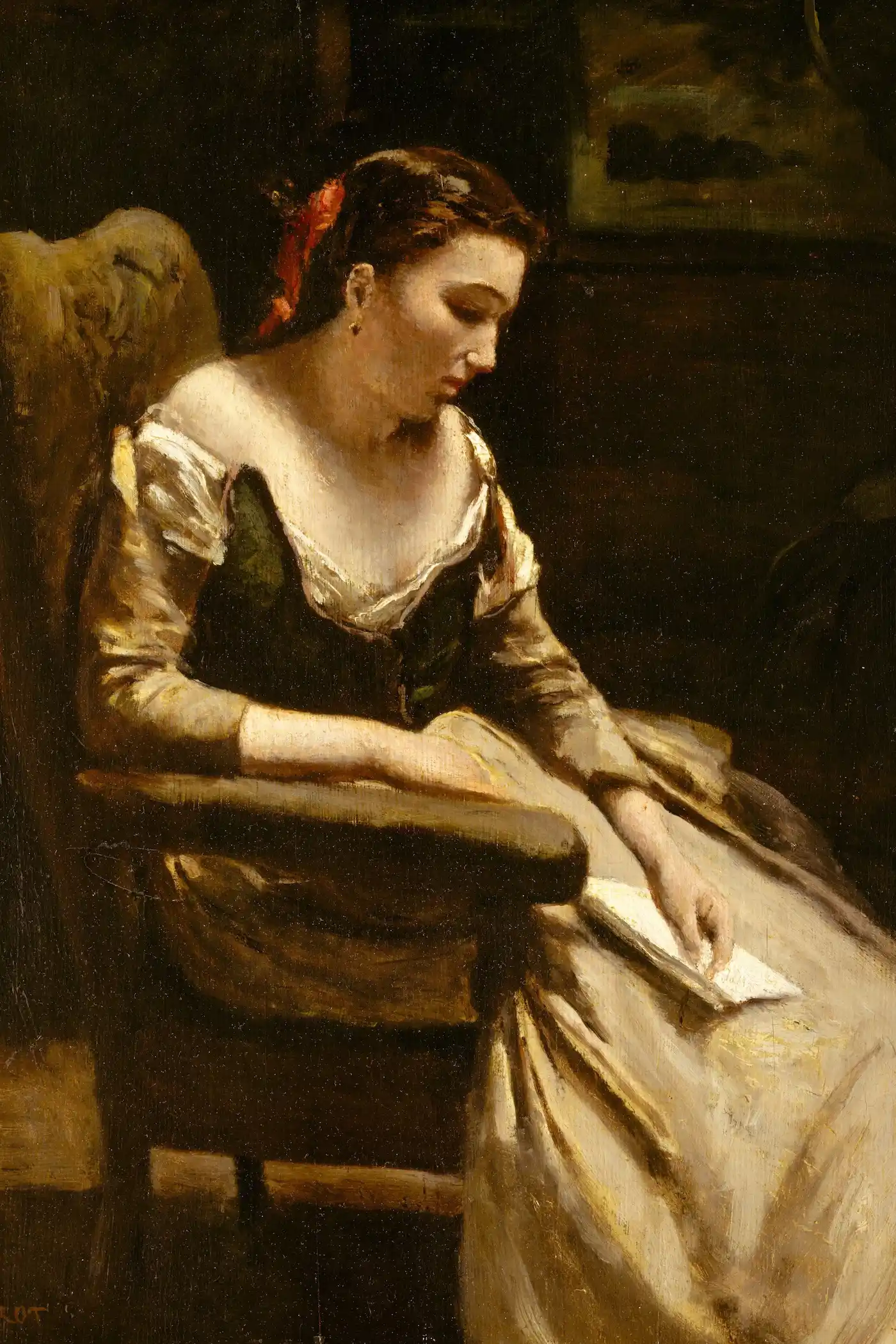
Letters of Two Brides
What is Letters of Two Brides about?
Letters of Two Brides (Mémoires de deux jeunes mariées), published in 1841, is one of Honoré de Balzac's most innovative and intellectually stimulating novels. Written entirely in epistolary form, the novel consists of letters exchanged between two former convent schoolmates, Louise de Chaulieu and Renée de Maucombe, as they navigate the dramatically different paths their lives take after leaving the convent. Louise, passionate and headstrong, insists on marrying for love and throws herself into a consuming romantic relationship. Renée, practical and measured, accepts an arranged marriage to a provincial landowner and devotes herself to building a stable domestic life. Through their frank correspondence over many years, Balzac constructs a profound debate about the nature of love, marriage, and women's happiness. The novel is remarkable for the depth and intelligence of both women's voices. Neither path is presented as simply right or wrong; instead, Balzac allows the reader to weigh the rewards and costs of passion against those of reason. Louise's letters burn with emotional intensity, while Renée's reveal the quiet satisfactions and hidden strengths of a life built on duty and pragmatism. Letters of Two Brides stands as one of the most thoughtful examinations of women's choices in nineteenth-century literature. Its epistolary form gives it an intimacy and psychological immediacy that set it apart within La Comédie humaine, and its central question about what constitutes a fulfilling life remains compelling for modern readers.
Main themes in Letters of Two Brides
Passion versus Reason
Passion versus Reason emerges as a defining element in Letters of Two Brides, shaping character development.
Women's Choices in Marriage
Women's Choices in Marriage emerges as a defining element in Letters of Two Brides, shaping character development.
Female Friendship
In Letters of Two Brides, female friendship provides a lens for understanding the story's core message.
Domesticity and Fulfillment
The presence of domesticity and fulfillment in Letters of Two Brides connects readers to its enduring relevance.
Why Letters of Two Brides is still relevant today
Letters of Two Brides is a key text for readers interested in the epistolary novel tradition, feminist literary criticism, and Balzac's treatment of women's lives. Its systematic comparison of romantic love and arranged marriage makes it one of the most intellectually rigorous novels in La Comédie humaine. The novel is frequently studied alongside works by Samuel Richardson and Choderlos de Laclos as a masterpiece of the letter-novel form. Its frank exploration of what constitutes feminine happiness anticipates debates that continue in contemporary literature and social thought. Readers who enjoy novels structured around ideas and dialogue will find this an exceptionally rewarding work.
More by this author
Frequently Asked Questions
What is Letters of Two Brides about?
The novel consists of letters between two former schoolmates who take opposite approaches to marriage. Louise marries for passionate love while Renée accepts an arranged match, and their correspondence over many years reveals the consequences of each choice.
Is Letters of Two Brides an epistolary novel?
Yes, the entire novel is composed of letters exchanged between the two protagonists. Balzac uses the epistolary form to create psychological intimacy and allow both women to speak in their own voices without narrative mediation.
Which bride does Balzac favor?
Critics have long debated this question. While the novel's plot suggests that Renée's pragmatic approach leads to more lasting happiness, Balzac gives Louise's passionate voice such power and beauty that many readers find her the more compelling figure.
How does this novel compare to Dangerous Liaisons?
Both are French epistolary novels exploring love and social strategy, but while Laclos focuses on aristocratic manipulation and seduction, Balzac examines the genuine emotional and philosophical stakes of women's marriage choices.
Is this novel feminist?
While Balzac did not write from a feminist perspective, the novel's serious engagement with women's inner lives, its refusal to reduce them to stereotypes, and its frank examination of marriage as an institution make it a valuable text for feminist literary analysis.