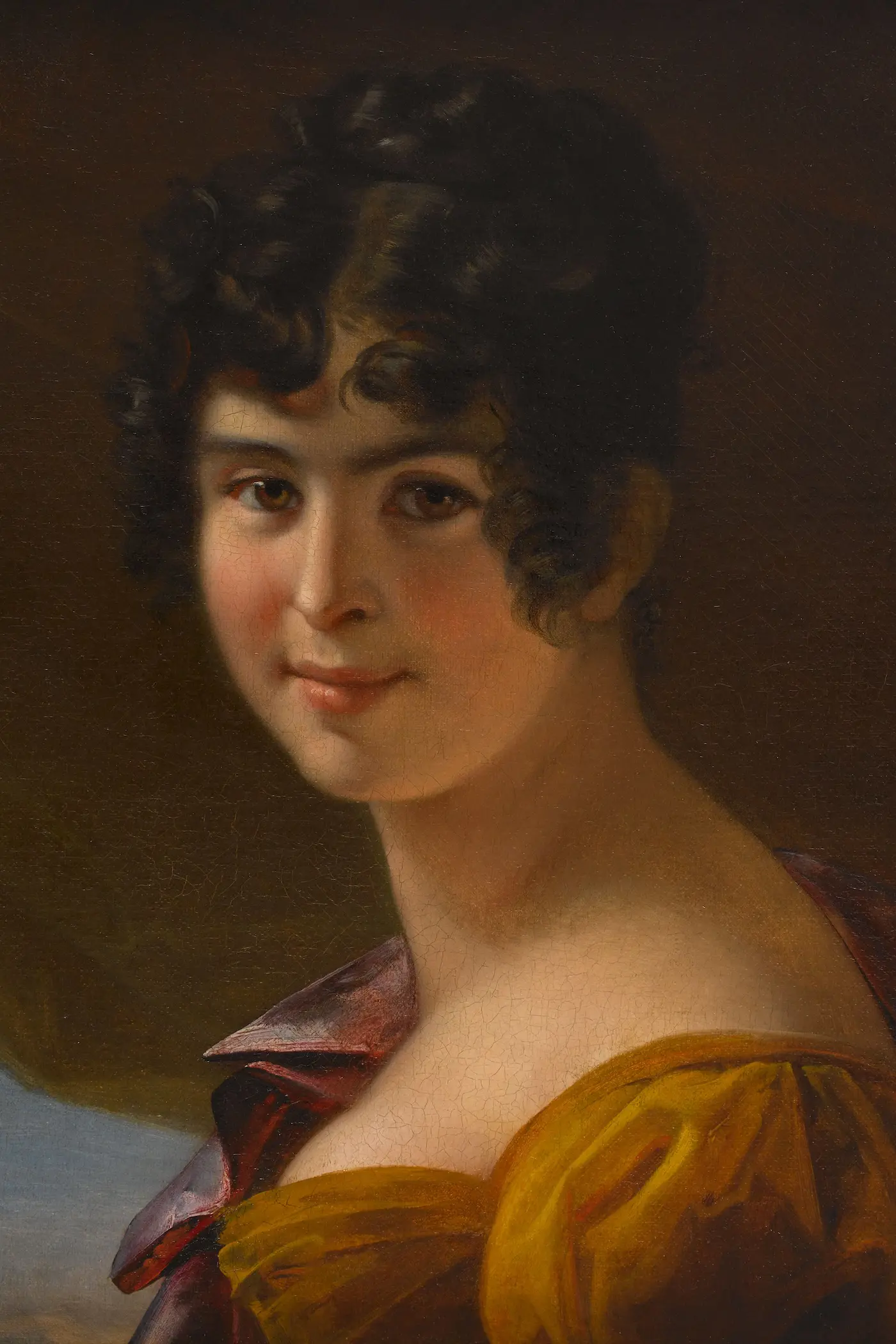
A Woman of Thirty
What is A Woman of Thirty about?
A Woman of Thirty (La Femme de trente ans), composed between 1832 and 1842, is one of Honoré de Balzac's most psychologically ambitious works and a landmark in the literary depiction of women's experience. The novel follows Julie d'Aiglemont from her youthful marriage to a dashing but shallow Napoleonic officer through the disappointments, passions, and moral crises of her adult life. Julie's early romantic illusions are quickly shattered by the reality of her marriage to Victor, a man incapable of understanding her emotional and intellectual depth. As she matures, Julie confronts adultery, maternal guilt, and the social constraints that imprison women of her class. Balzac traces her evolution with remarkable sensitivity, portraying a woman who grows more complex and self-aware even as society offers her fewer and fewer acceptable choices. The novel's episodic structure, spanning decades of Julie's life, allows Balzac to examine womanhood at different stages with a frankness unusual for his era. He challenges the prevailing view that women's lives were defined solely by marriage and motherhood, instead revealing the rich inner world of a woman forced to navigate between duty, desire, and self-preservation. A Woman of Thirty is notable for giving the French language the phrase la femme de trente ans, which entered common usage to describe a woman at the height of her maturity and allure. The novel remains a powerful study of feminine identity and the social forces that shape it.
Main themes in A Woman of Thirty
Women's Identity and Agency
A Woman of Thirty thoughtfully explores women's identity and agency through its central conflicts.
Marital Disillusionment
Marital Disillusionment emerges as a defining element in A Woman of Thirty, shaping character development.
Maturity and Self-Knowledge
A Woman of Thirty thoughtfully explores maturity and self-knowledge through its central conflicts.
Adultery and Moral Judgment
The presence of adultery and moral judgment in A Woman of Thirty connects readers to its enduring relevance.
Why A Woman of Thirty is still relevant today
A Woman of Thirty is a pioneering work in the literary exploration of women's inner lives and is essential reading for students of gender in nineteenth-century fiction. The novel introduced the influential cultural concept of la femme de trente ans, a woman at the peak of her maturity and complexity. Scholars of feminist literary criticism and the history of the novel find it a key text for understanding how Balzac both reflected and challenged the gender norms of his era. Its frank treatment of adultery, marital disappointment, and maternal ambivalence anticipates works by Flaubert, Tolstoy, and later feminist writers. The novel rewards readers interested in character-driven psychological fiction.
More by this author
Frequently Asked Questions
What is A Woman of Thirty about?
The novel follows Julie d'Aiglemont from her youthful marriage through decades of disillusionment, adultery, and moral crisis, tracing the evolution of a woman forced to navigate between social duty and personal desire in Restoration France.
What does la femme de trente ans mean?
The phrase, which entered French culture from this novel, refers to a woman of thirty who has reached the height of her maturity, allure, and emotional complexity, challenging the idea that women's value diminishes with youth.
How does A Woman of Thirty relate to feminism?
While Balzac was not a feminist in the modern sense, the novel's sympathetic portrayal of a woman trapped by patriarchal marriage and its frank exploration of female desire and agency make it an important precursor to feminist literary analysis.
Why does the novel have an episodic structure?
Balzac composed the novel over a decade, adding episodes at different times. The resulting structure allows him to examine Julie at various life stages, though some readers find the narrative less unified than his other novels.
How does this novel compare to Madame Bovary?
Both novels explore female disillusionment with marriage, but Balzac treats Julie with more sympathy and psychological depth across her entire life, while Flaubert focuses on Emma Bovary's self-destructive romantic fantasies.