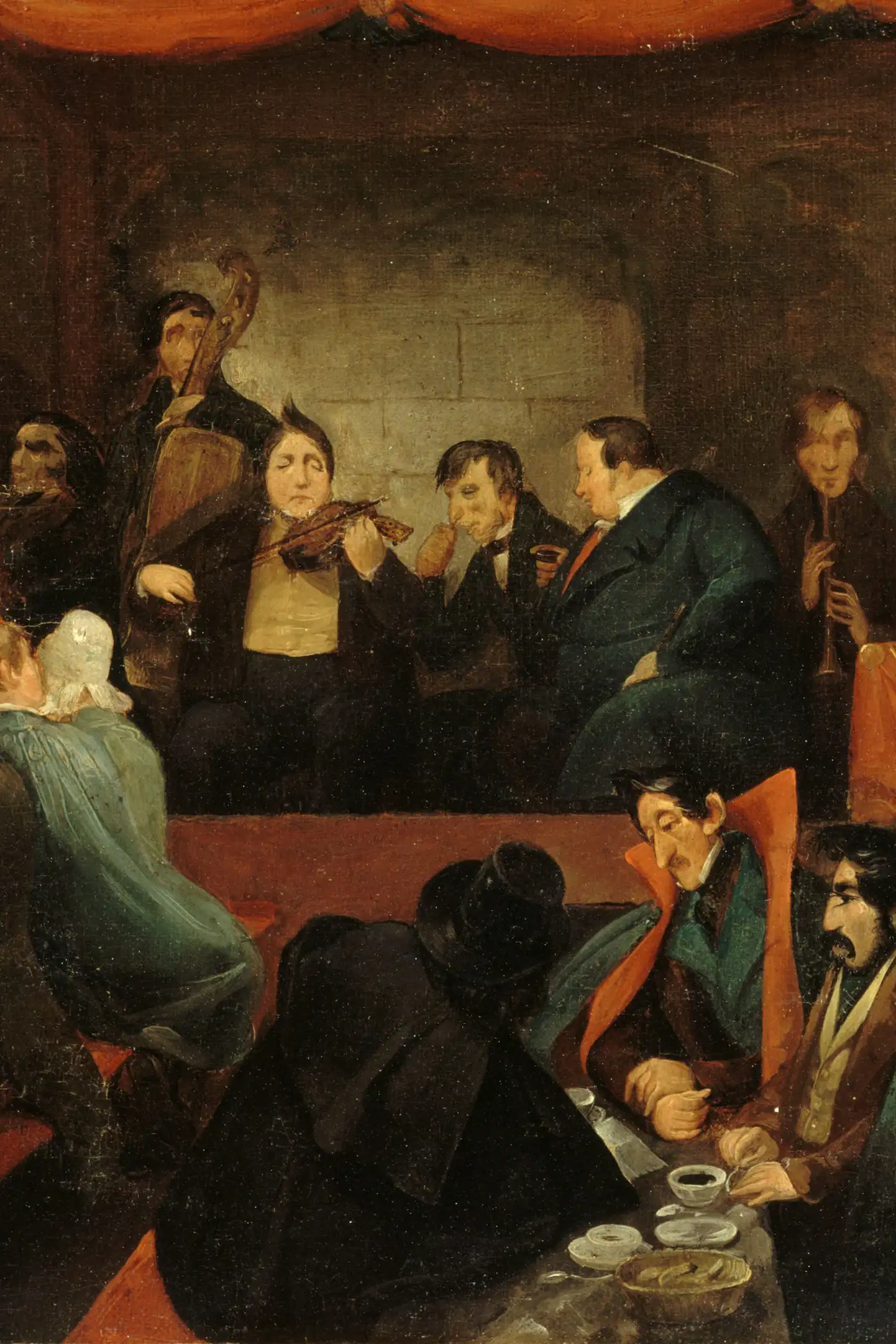
Lost Illusions
What is Lost Illusions about?
Lost Illusions (Illusions perdues), published in three parts between 1837 and 1843, is one of Honoré de Balzac's longest and most ambitious novels and is widely considered his masterpiece. The novel follows Lucien Chardon, a handsome and talented young poet from Angoulême who travels to Paris with dreams of literary fame and social conquest. In Paris, Lucien discovers that the literary world is dominated not by talent but by journalism, money, and intrigue. He is drawn into the corrupt world of newspaper criticism, where reviews are bought and sold, reputations are manufactured and destroyed overnight, and idealism is systematically crushed. Meanwhile, his brother-in-law David Séchard struggles to develop a revolutionary papermaking process back in Angoulême, only to be swindled by provincial rivals. The novel is remarkable for its anatomy of the publishing industry, its portrayal of journalism as a machine of manipulation, and its devastating depiction of how capitalist society grinds down artistic ambition. Balzac drew extensively on his own bitter experiences as a failed publisher and struggling writer, giving the novel an autobiographical intensity that elevates it beyond social satire. Lost Illusions is central to La Comédie humaine and directly continues in the sequel A Harlot High and Low. It stands as one of the nineteenth century's most penetrating examinations of the relationship between art, commerce, and society.
Main themes in Lost Illusions
The Corruption of Journalism
In Lost Illusions, the corruption of journalism provides a lens for understanding the story's core message.
Lost Idealism
The theme of lost idealism weaves through Lost Illusions, adding depth to its narrative.
Province versus Paris
The theme of province versus paris weaves through Lost Illusions, adding depth to its narrative.
Art and Commerce
The presence of art and commerce in Lost Illusions connects readers to its enduring relevance.
Why Lost Illusions is still relevant today
Lost Illusions is widely regarded as Balzac's greatest single novel and one of the supreme achievements of nineteenth-century fiction. It is essential reading for anyone interested in the sociology of literature, media criticism, or the economics of publishing. The novel's devastating portrait of journalism as a corrupt industry remains strikingly relevant in the age of digital media. Scholars of French literature consider it the keystone of La Comédie humaine. Its influence can be traced in works by Flaubert, Zola, and contemporary novelists who explore the tension between artistic integrity and commercial pressure. Readers who enjoy ambitious social novels will find Lost Illusions one of the genre's defining works.
More by this author
Frequently Asked Questions
What is Lost Illusions about?
Lost Illusions follows young poet Lucien Chardon as he leaves provincial Angoulême for Paris, where he discovers that the literary world runs on corruption, money, and journalistic manipulation rather than talent, while his brother-in-law is swindled back home.
Why is Lost Illusions considered Balzac's masterpiece?
The novel combines Balzac's most ambitious social panorama with deeply personal autobiographical material, offering a uniquely penetrating analysis of how capitalism transforms art, journalism, and human ambition into commodities.
Is Lost Illusions autobiographical?
Significantly so. Balzac drew on his own failed ventures as a publisher and printer, his struggles in the Parisian literary market, and his firsthand experience of how journalism corrupted literary culture.
What is the sequel to Lost Illusions?
The direct sequel is A Harlot High and Low (Splendeurs et misères des courtisanes), which follows Lucien's further adventures in Paris under the influence of the criminal mastermind Vautrin.
How does Lost Illusions relate to modern media criticism?
Balzac's depiction of journalism as an industry driven by financial interests, political manipulation, and manufactured opinion anticipates contemporary debates about media bias, fake news, and the commercialization of information.