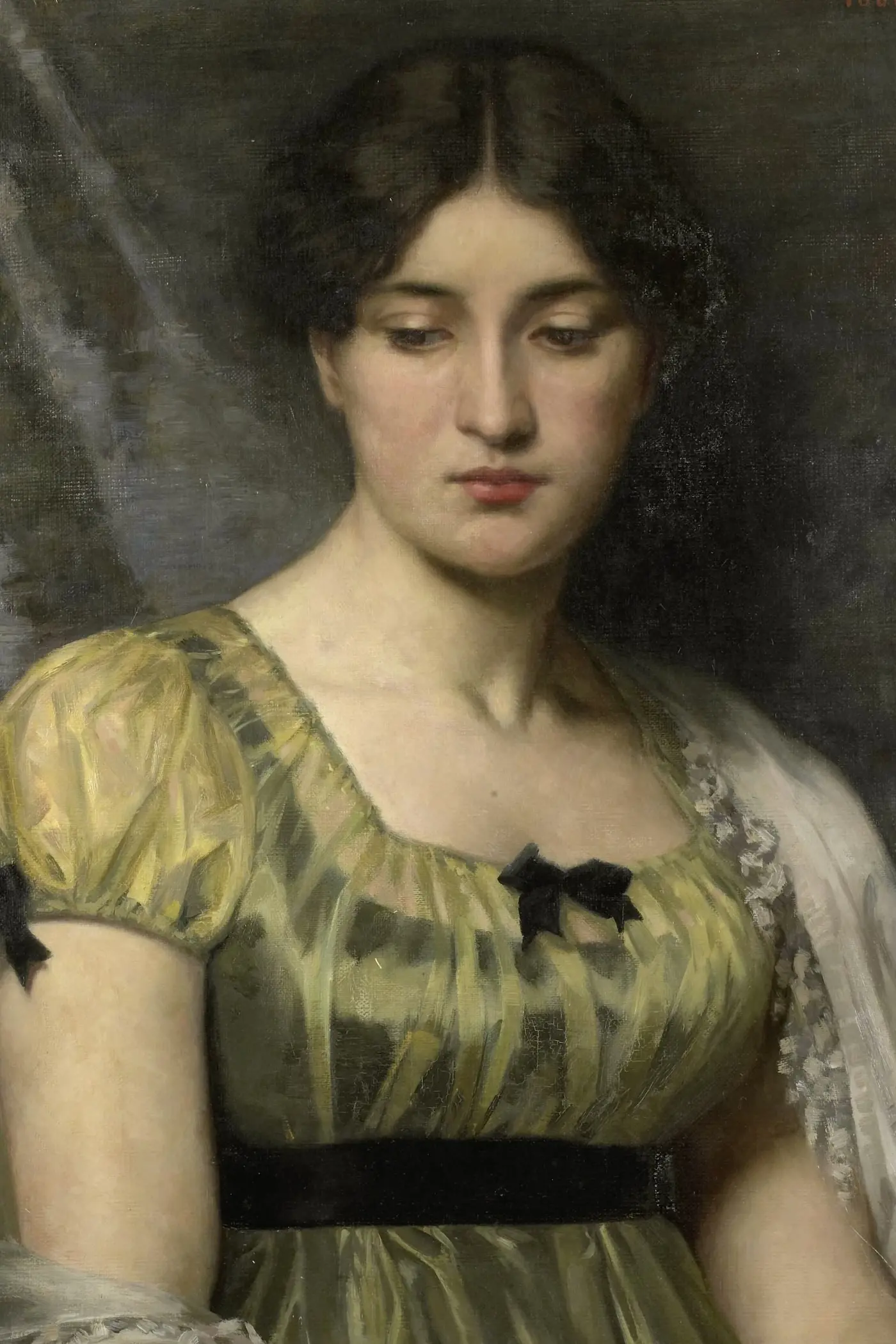
Eugénie Grandet
What is Eugénie Grandet about?
Eugénie Grandet, published in 1833, is one of Honoré de Balzac's most powerful and tightly constructed novels. Set in the provincial town of Saumur, the story centers on Eugénie, the only daughter of Félix Grandet, one of the wealthiest and most miserly men in France. Despite his enormous fortune, old Grandet keeps his wife and daughter in conditions of extreme deprivation, controlling every expenditure with obsessive calculation. Eugénie's life is transformed by the unexpected arrival of her cousin Charles from Paris, a handsome and sophisticated young man whose father has just gone bankrupt. Eugénie falls deeply in love with Charles and secretly gives him her gold coin collection to fund his voyage to the Indies, an act of generosity that sets her on a collision course with her tyrannical father. What follows is a devastating exploration of how avarice poisons family life, crushes romantic hope, and warps an entire community. The novel is celebrated for its psychological acuity and its masterful portrait of provincial French existence under the Restoration. Balzac renders the Grandet household with extraordinary material specificity, making the cold house, the rationed candles, and the locked storerooms tangible emblems of the father's pathological greed. Eugénie Grandet stands as one of literature's most affecting studies of the conflict between love and money, and between personal desire and patriarchal authority.
Main themes in Eugénie Grandet
Avarice and Miserliness
The theme of avarice and miserliness weaves through Eugénie Grandet, adding depth to its narrative.
Love versus Money
The presence of love versus money in Eugénie Grandet connects readers to its enduring relevance.
Provincial Life
In Eugénie Grandet, provincial life provides a lens for understanding the story's core message.
Patriarchal Authority
Patriarchal Authority emerges as a defining element in Eugénie Grandet, shaping character development.
Why Eugénie Grandet is still relevant today
Eugénie Grandet is a foundational text of French literary realism and a key work in Balzac's La Comédie humaine. It is widely assigned in courses on European literature and the nineteenth-century novel. The novel offers one of literature's most memorable portraits of avarice, making it essential for readers interested in character-driven fiction and psychological realism. Its depiction of provincial French life under the Restoration provides valuable historical and cultural insight. Readers who enjoy Jane Austen's social observation or Gustave Flaubert's Madame Bovary will find Eugénie Grandet a compelling and emotionally powerful predecessor.
More by this author
Frequently Asked Questions
What is Eugénie Grandet about?
The novel tells the story of Eugénie, the daughter of a fabulously wealthy miser in provincial France, who falls in love with her Parisian cousin and defies her father by giving away her gold, triggering a devastating family conflict over money and love.
Is Eugénie Grandet a true story?
The novel is fiction, but Balzac drew on his deep knowledge of provincial French life and financial practices to create a psychologically realistic portrait. The town of Saumur and its social dynamics are rendered with documentary precision.
Why is Félix Grandet such a famous literary character?
Grandet is one of literature's most vivid portraits of avarice, rivaling Molière's Harpagon and Dickens's Scrooge. His obsessive control over every sou and his manipulation of his family make him an unforgettable embodiment of greed.
How does Eugénie Grandet compare to Madame Bovary?
Both novels explore the stifling constraints of provincial French life on women, but while Flaubert's Emma seeks escape through romantic fantasy, Balzac's Eugénie endures with quiet strength. Balzac's novel predates Madame Bovary by over twenty years.
What role does gold play in Eugénie Grandet?
Gold functions as both literal wealth and a powerful symbol throughout the novel. Eugénie's gift of her gold coins to Charles represents her heart, while her father's obsessive counting of his gold reveals his spiritual emptiness.