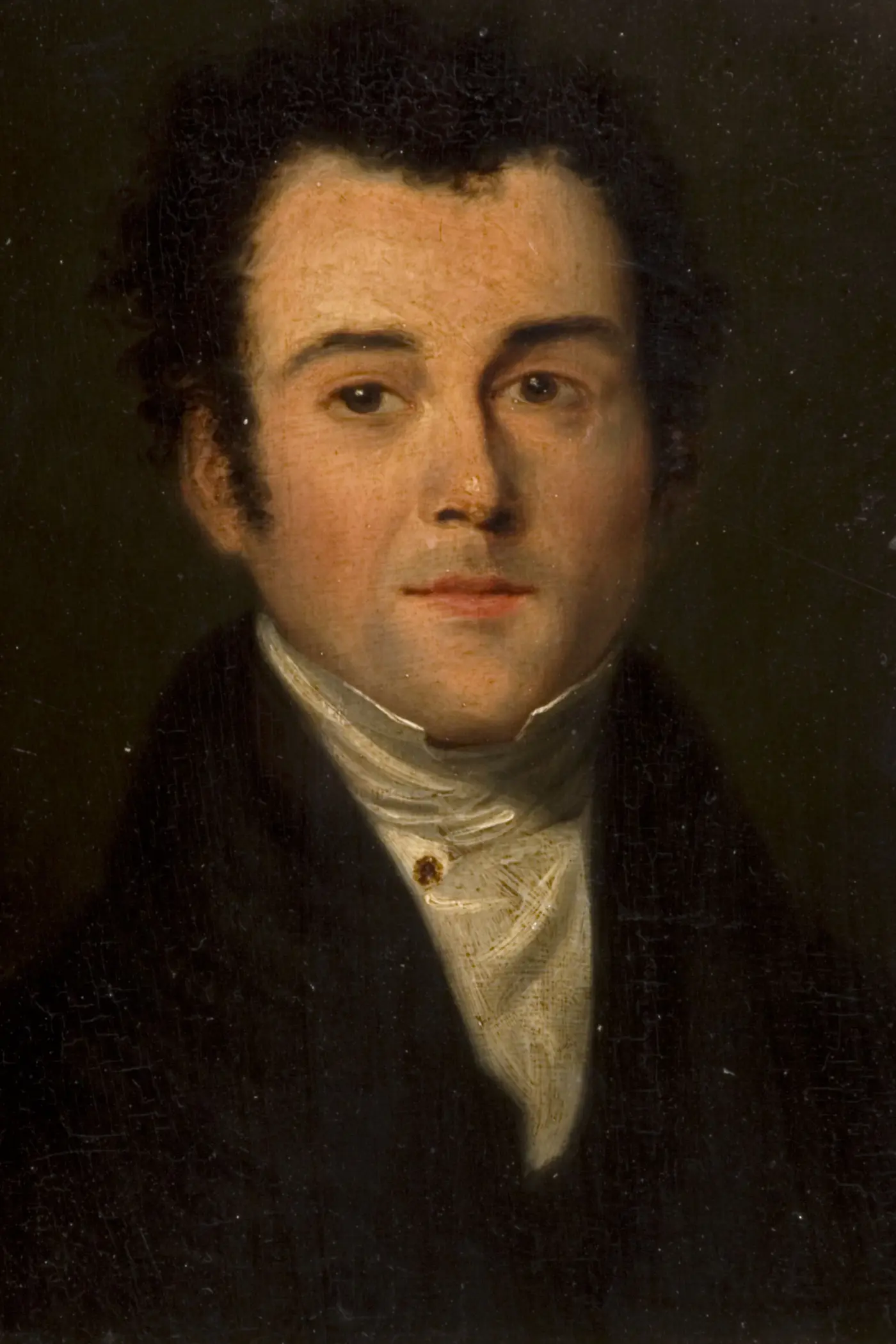
Albert Savarus
What is Albert Savarus about?
Albert Savarus, published in 1842, is a tightly constructed and psychologically intense novel by Honoré de Balzac, set in the provincial city of Besançon. The story revolves around Rosalie de Watteville, a young woman of fierce intelligence and suppressed passion, who becomes obsessed with Albert Savarus, a mysterious and ambitious lawyer who has recently arrived in the city. Savarus is brilliant, handsome, and consumed by a secret passion for an Italian duchess whom he loves from afar. He has come to Besançon with a calculated plan to win election to the Chamber of Deputies, hoping that political success will make him worthy of the duchess. Rosalie, discovering the truth about his hidden love through a novella Savarus publishes in a local journal, decides to destroy his plans so that he might turn to her instead. What follows is a devastating study of obsessive love, calculated manipulation, and the collision between provincial scheming and grand romantic ambition. Rosalie emerges as one of Balzac's most unsettling characters, a young woman whose intelligence and determination are channeled entirely into destructive ends. The novel is notable for its narrative economy, its psychologically complex female protagonist, and its exploration of how unrequited love can transform into a force of annihilation. Albert Savarus demonstrates Balzac's ability to create compelling drama within the confined social world of a provincial French city.
Main themes in Albert Savarus
Obsessive Love
The theme of obsessive love weaves through Albert Savarus, adding depth to its narrative.
Manipulation and Control
Albert Savarus thoughtfully explores manipulation and control through its central conflicts.
Provincial Ambition
Albert Savarus thoughtfully explores provincial ambition through its central conflicts.
The Story within the Story
In Albert Savarus, the story within the story provides a lens for understanding the story's core message.
Why Albert Savarus is still relevant today
Albert Savarus rewards readers interested in Balzac's exploration of obsessive love, provincial power dynamics, and the psychology of manipulation. The novel features one of Balzac's most complex young female characters in Rosalie de Watteville, whose intelligence is directed toward destructive ends. Its compact narrative structure makes it an accessible entry point for readers new to La Comédie humaine. The novel also offers insight into provincial political life during the July Monarchy. Readers who enjoy psychological thrillers, novels of manipulation, or stories about the destructive power of unrequited love will find Albert Savarus a gripping and underappreciated work.
More by this author
Frequently Asked Questions
What is Albert Savarus about?
The novel follows an ambitious lawyer who arrives in Besançon with a secret plan to win political office and the love of an Italian duchess, only to have his plans destroyed by Rosalie de Watteville, a young woman who becomes obsessed with him.
Is Albert Savarus autobiographical?
The novel contains autobiographical elements, as Balzac himself pursued both political ambition and a long-distance romance with a foreign noblewoman, Ewelina Hańska, lending personal urgency to Savarus's story.
Who is Rosalie de Watteville?
Rosalie is one of Balzac's most striking characters: a young provincial woman of fierce intelligence and suppressed emotion who channels her unrequited love into a systematic campaign to destroy the man she cannot possess.
How long is Albert Savarus?
Albert Savarus is one of Balzac's shorter novels, making it an accessible introduction to his work. Its compact structure contributes to its narrative intensity and psychological focus.
Where is Albert Savarus set?
The novel is primarily set in Besançon, the capital of Franche-Comté in eastern France. Balzac uses the city's provincial social world as a claustrophobic setting for his drama of obsession and manipulation.