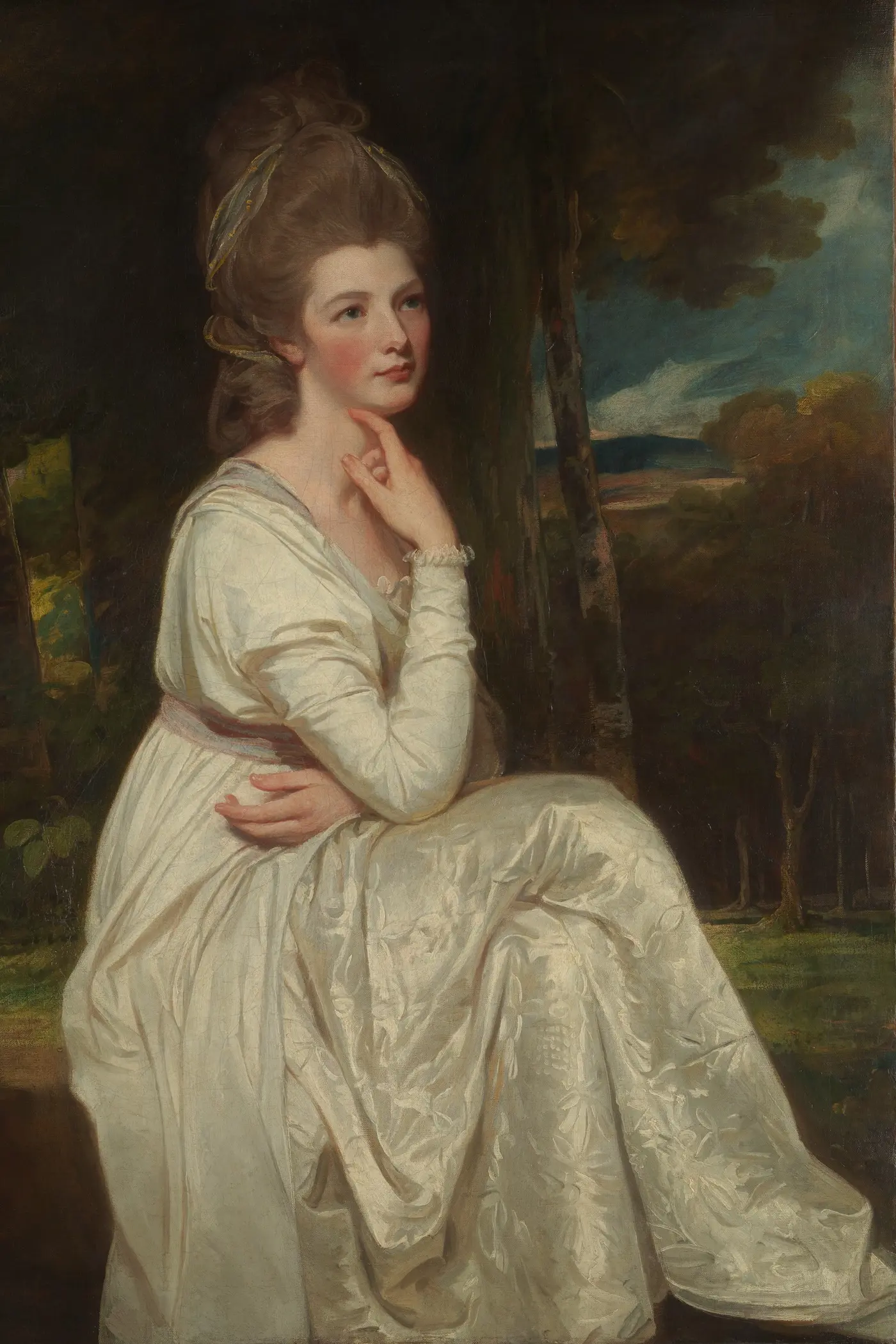
Béatrix
What is Béatrix about?
Béatrix, first published in 1839 and expanded in later editions, is one of Honoré de Balzac's most richly textured novels, set against the dramatic landscapes of Brittany and the salons of Paris. The story centers on Calyste du Guénic, a noble and impressionable young Breton who becomes entangled in a complex love triangle involving two remarkable women: Félicité des Touches, a brilliant older writer who hosts an intellectual salon, and the Marquise de Rochefide, known as Béatrix, a beautiful but cold aristocrat who has left her husband for a famous musician. Calyste is initially devoted to Félicité, who loves him in return but recognizes that his passion for the elusive Béatrix threatens to consume him. The novel traces the devastating effects of Calyste's infatuation with Béatrix, a woman who uses her beauty as a weapon and treats love as a game of social power. Balzac drew extensively on real-life models for his characters: Félicité is partly based on George Sand, and Béatrix on Marie d'Agoult, who had famously left her husband for Franz Liszt. This roman à clef dimension adds a layer of biographical intrigue to the novel's exploration of artistic temperament, sexual politics, and the clash between Breton tradition and Parisian sophistication. Béatrix is a compelling study of how romantic obsession can blind even the most admirable characters, and of how women navigate power in a society that grants them few formal rights.
Main themes in Béatrix
Romantic Obsession
Romantic Obsession emerges as a defining element in Béatrix, shaping character development.
Art and Society
Béatrix thoughtfully explores art and society through its central conflicts.
Brittany versus Paris
Brittany versus Paris emerges as a defining element in Béatrix, shaping character development.
Female Power and Manipulation
The theme of female power and manipulation weaves through Béatrix, adding depth to its narrative.
Why Béatrix is still relevant today
Béatrix is essential reading for those interested in the intersection of literature and biography in nineteenth-century France. Its portraits of characters modeled on George Sand and Marie d'Agoult make it a key text for understanding the cultural milieu of French Romanticism. The novel offers one of Balzac's most detailed depictions of Breton society and landscape. Scholars of gender and power dynamics in fiction will find its treatment of how women wield influence within patriarchal constraints particularly rewarding. Readers who enjoy novels about artistic communities, salon culture, and the psychology of romantic obsession will find Béatrix a richly layered and absorbing work.
More by this author
Frequently Asked Questions
What is Béatrix about?
Béatrix tells the story of young Breton nobleman Calyste du Guénic, who becomes trapped between two powerful women: Félicité des Touches, a brilliant writer who truly loves him, and the Marquise de Rochefide, a beautiful but manipulative aristocrat.
Is Béatrix based on real people?
Yes, Balzac modeled Félicité des Touches partly on George Sand and Béatrix partly on Marie d'Agoult, who had left her husband for composer Franz Liszt. The novel is widely regarded as a roman à clef.
Where is Béatrix set?
The novel is set primarily in Guérande, a historic town in Brittany, and later in Paris. Balzac's evocative descriptions of the Breton landscape and its ancient feudal culture are among the novel's greatest achievements.
How does Béatrix fit into La Comédie humaine?
Béatrix belongs to the Scenes of Private Life section of La Comédie humaine and connects to other novels through shared characters, including Félicité des Touches who appears in several other works.
What makes the character Béatrix memorable?
Béatrix is one of Balzac's most complex portraits of female power. Cold, beautiful, and calculating, she uses romantic attachment as a tool of social dominance, making her both fascinating and deeply unsettling.