Facing the Flag
What is Facing the Flag about?
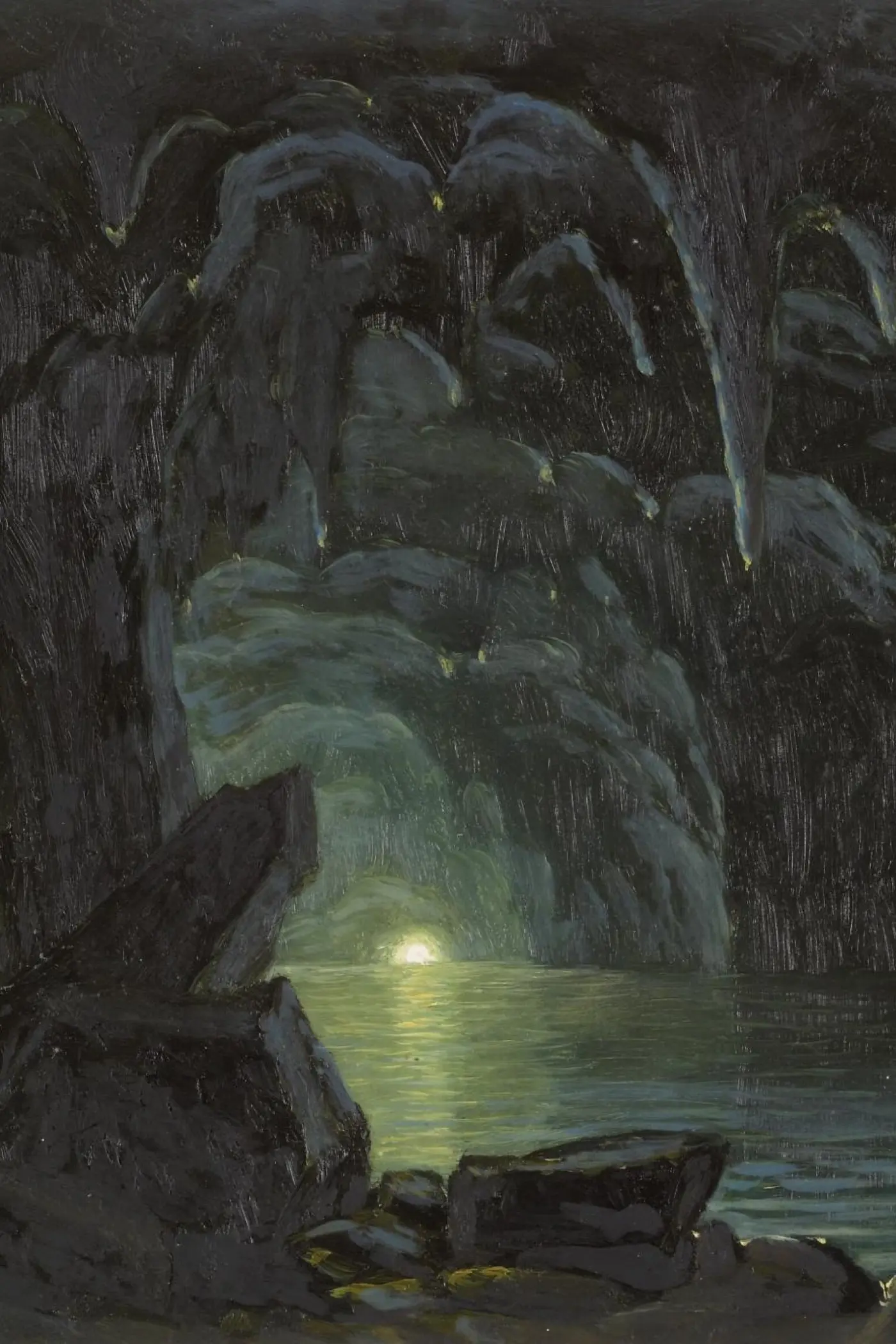
In another science-based entry in his Voyages Extraordinaires series, Verne takes us on the journey of Simon Hart, an engineer who poses as a medical attendant to the scientist Thomas Roch. Roch’s invention of a world-conquering weapon has driven him insane. As the paranoid doctor rests in a sanatorium, the vicious pirate Ker Karraje kidnaps both Roch and Hart. Karraje takes them to a secret hideaway in a burned-out island caldera in the Bermudas—but Hart hatches an ingenious escape plan.
Main themes in Facing the Flag
Weapons of destruction
Weapons of destruction emerges as a defining element in Facing the Flag, shaping character development.
Scientific ethics
The presence of scientific ethics in Facing the Flag connects readers to its enduring relevance.
Madness and genius
The presence of madness and genius in Facing the Flag connects readers to its enduring relevance.
Patriotism and betrayal
Facing the Flag thoughtfully explores patriotism and betrayal through its central conflicts.
Why Facing the Flag is still relevant today
Facing the Flag explores weapons of mass destruction, as a mad scientist's superweapon threatens civilization. Written in 1896, it anticipates 20th-century anxieties about scientific weapons in wrong hands. The novel questions whether scientific progress serves humanity when divorced from ethics.
More by this author
Frequently Asked Questions
What is Facing the Flag about?
A brilliant French chemist, Roch, invents a devastating superweapon. Pirates kidnap him, hoping to use his invention. An undercover agent must prevent the weapon from being deployed against civilization. The novel examines scientific responsibility.
Is Facing the Flag about weapons of mass destruction?
Essentially, yes. Verne imagined a weapon capable of destroying fleets and cities, anticipating 20th-century military technology. The novel questions whether such power can be controlled.
What was Verne's view on scientific weapons?
Facing the Flag reflects Verne's growing ambivalence about technological progress. Unlike his earlier optimism, this novel suggests science without ethics creates danger. It's among his most prescient works.
Is this typical Verne?
It's darker than most Verne, with the mad scientist and weapon of mass destruction creating dystopian atmosphere. Readers seeking lighter adventure should look elsewhere; those interested in Verne's later, more critical phase will find it compelling.