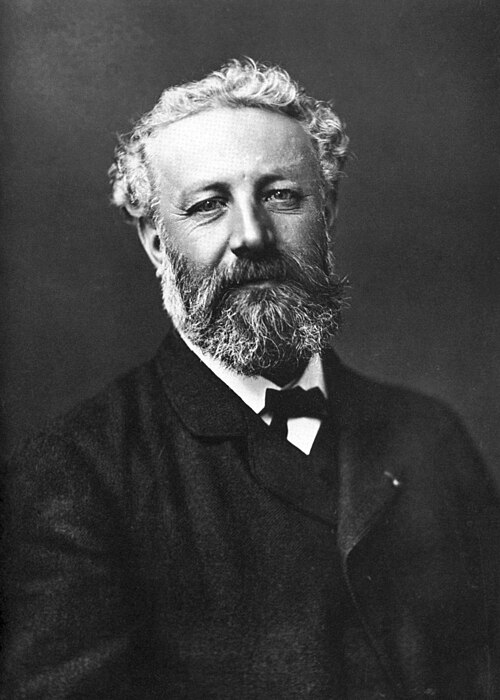
Jules Verne
Biography
Jules Verne (1828-1905) was a French novelist, poet, and playwright who pioneered the science fiction genre and became one of the most translated authors in history. Born in Nantes, he originally studied law in Paris but abandoned it for writing, eventually creating the "Voyages Extraordinaires"—a series of over sixty adventure novels that combined scientific speculation with thrilling narratives. Verne's visionary works anticipated submarines, space travel, helicopters, and other technologies decades before their invention. Journey to the Center of the Earth (1864), Twenty Thousand Leagues Under the Sea (1870), and Around the World in Eighty Days (1873) captivated readers with their blend of adventure, geography, and speculative science. Often called the "Father of Science Fiction" alongside H.G. Wells, Verne's influence extends far beyond literature. Scientists and inventors from Yuri Gagarin to submarine designers have credited his works with inspiring their achievements. His novels remain beloved worldwide, continuing to spark imagination and wanderlust.
Common themes in Jules Verne's work
Scientific adventure
A recurring theme throughout Jules Verne's writing.
Technological imagination
A recurring theme throughout Jules Verne's writing.
Exploration and discovery
A recurring theme throughout Jules Verne's writing.
Human ingenuity
A recurring theme throughout Jules Verne's writing.
Books
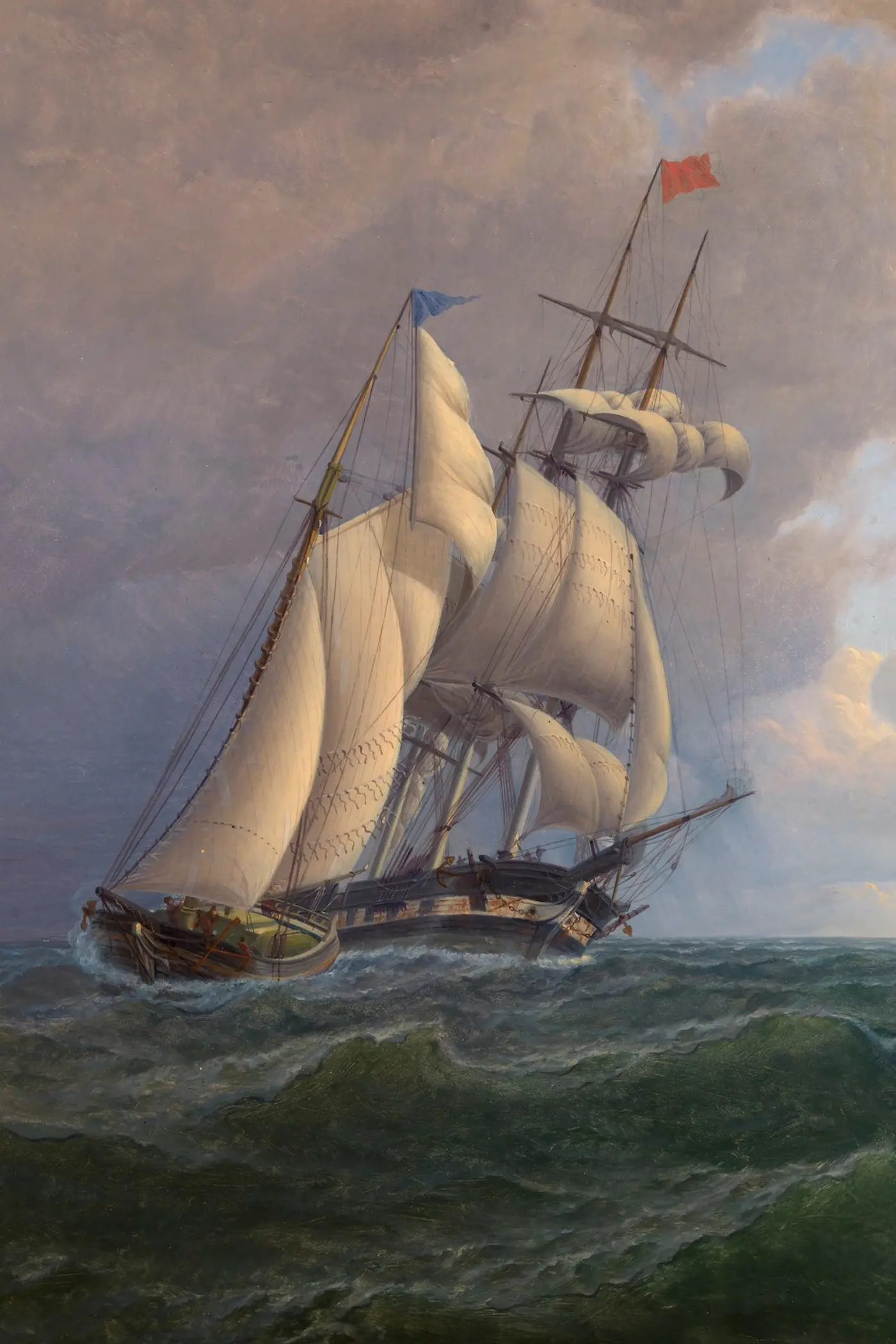
Dick Sands, the Boy Captain
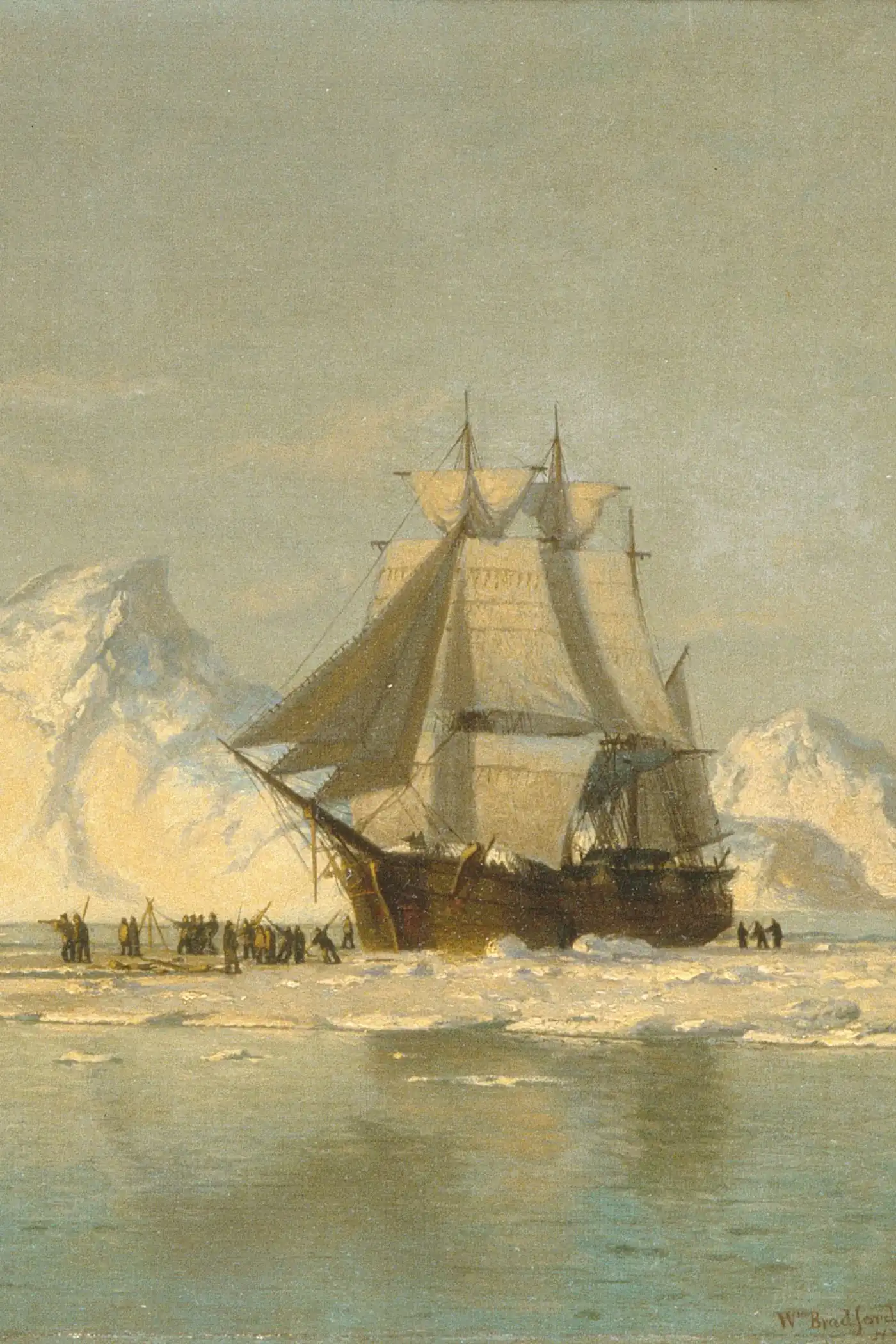
An Antarctic Mystery
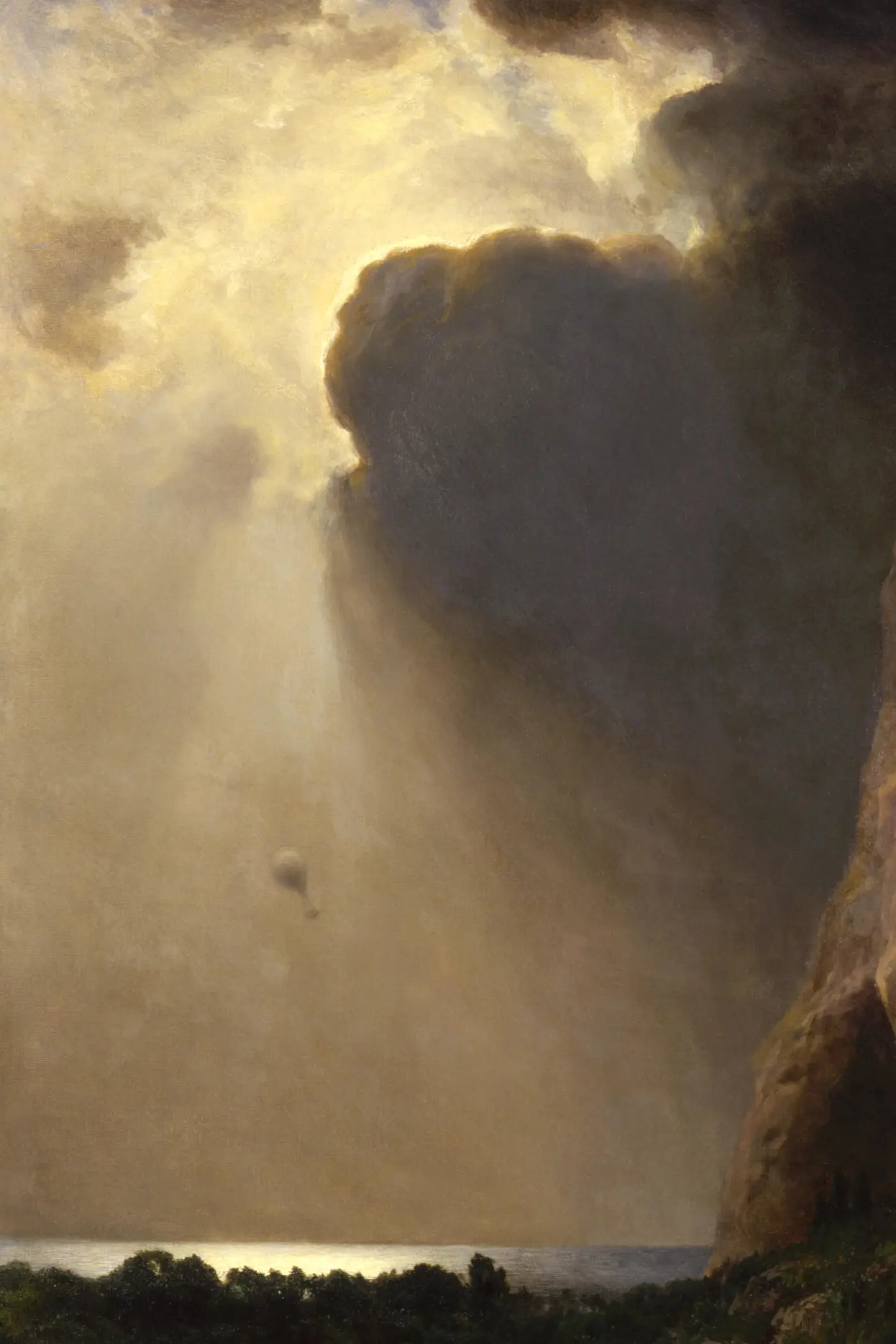
Five Weeks in a Balloon
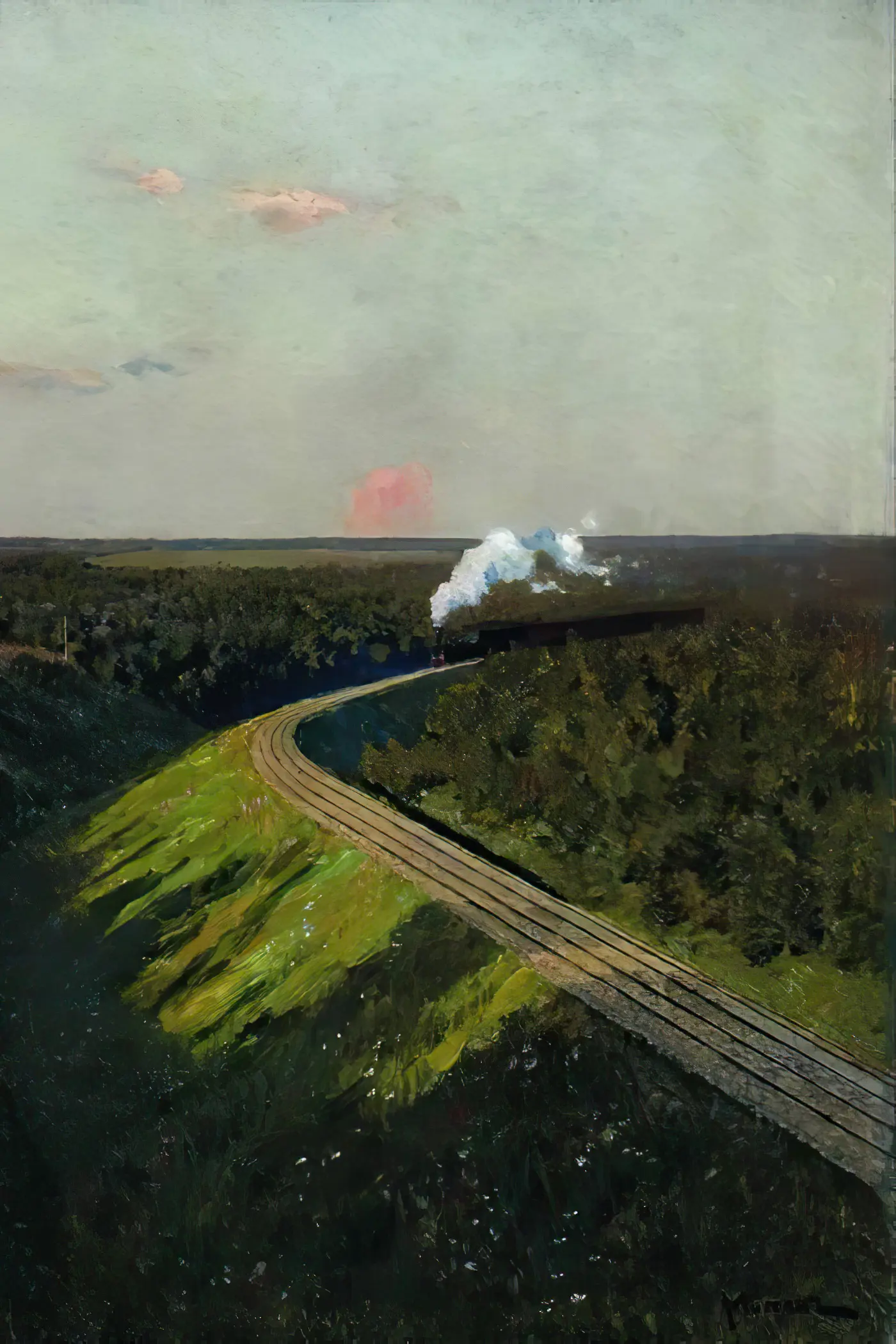
Around the World in Eighty Days
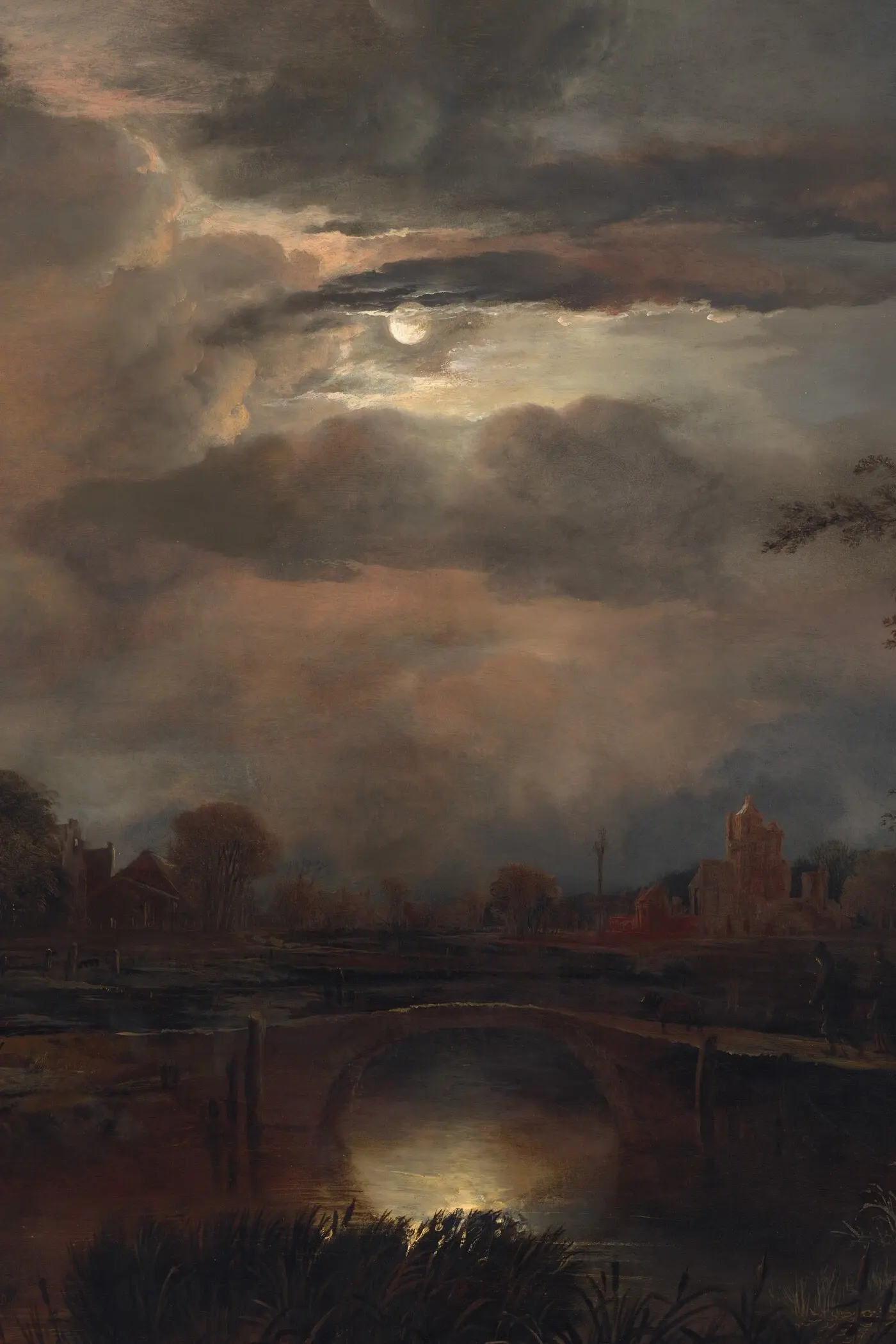
Round the Moon
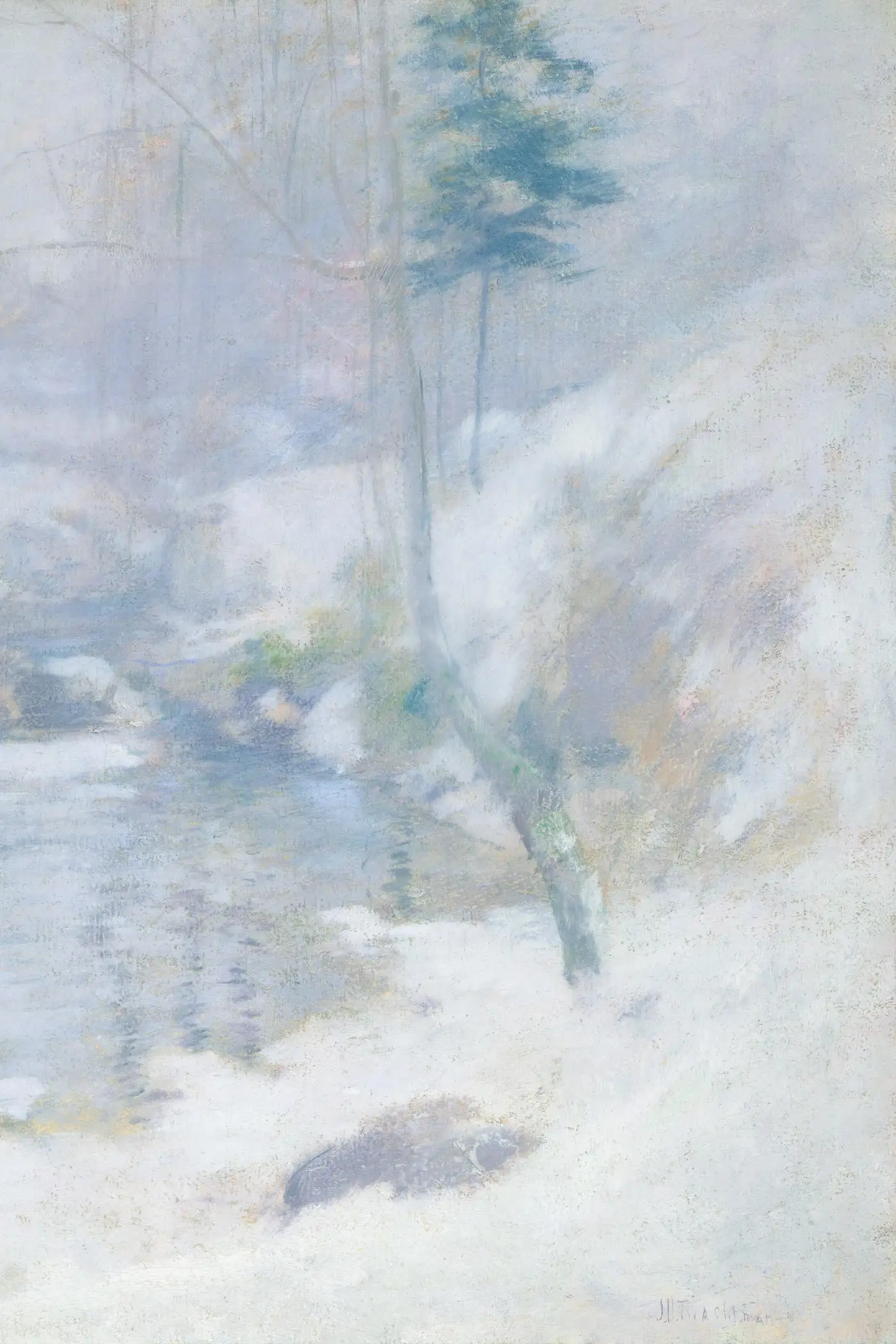
Topsy-Turvy
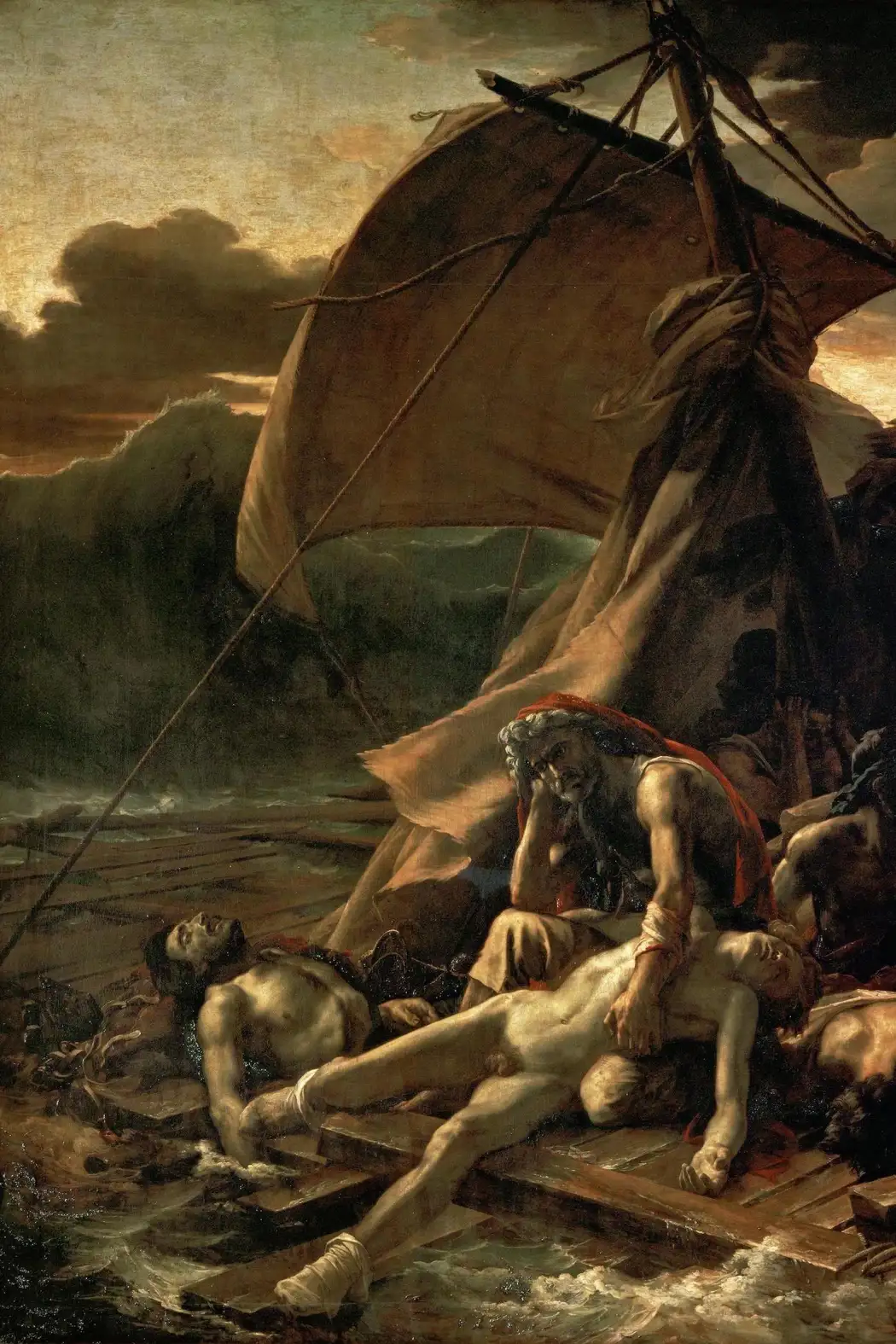
The Survivors of the Chancellor
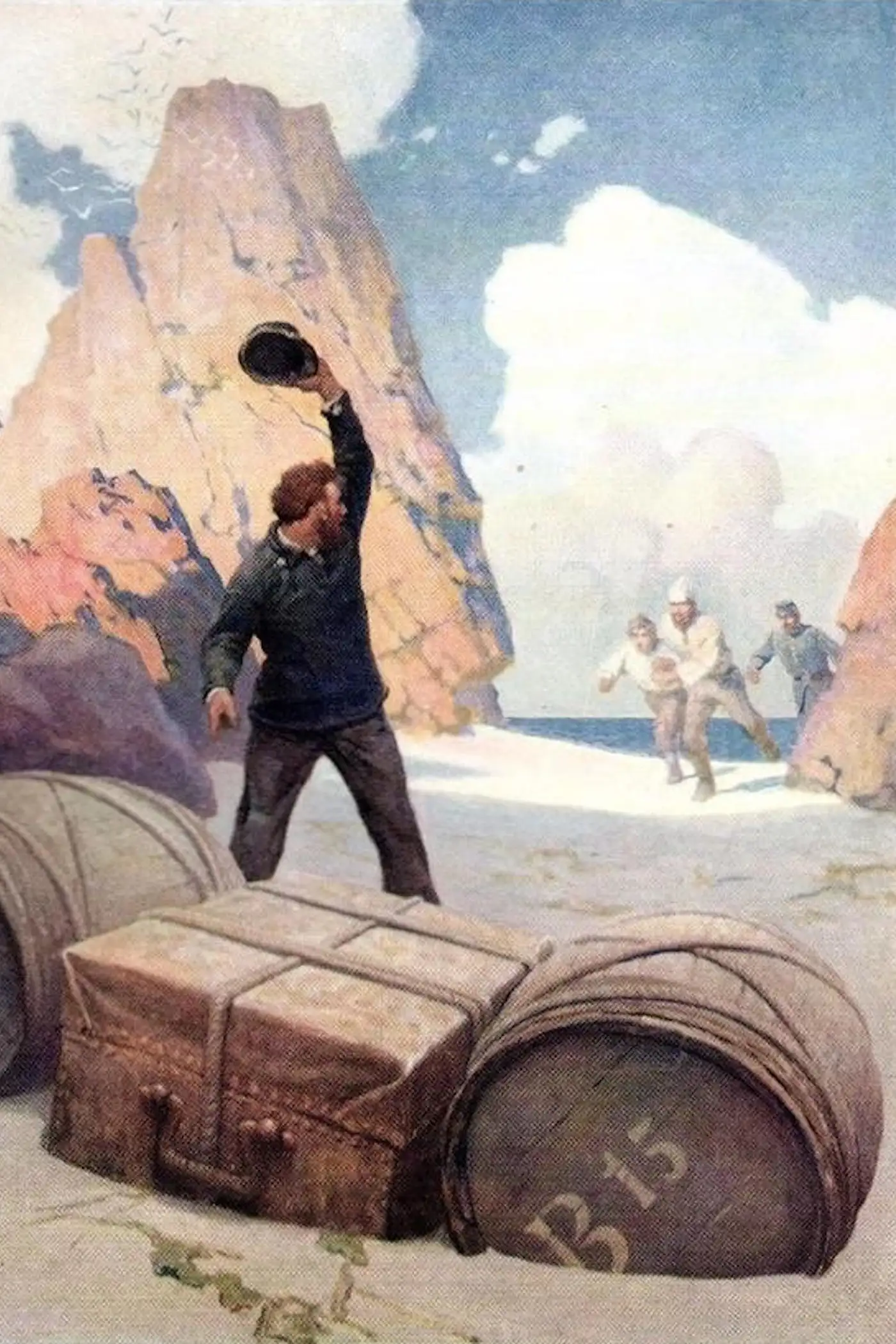
The Mysterious Island
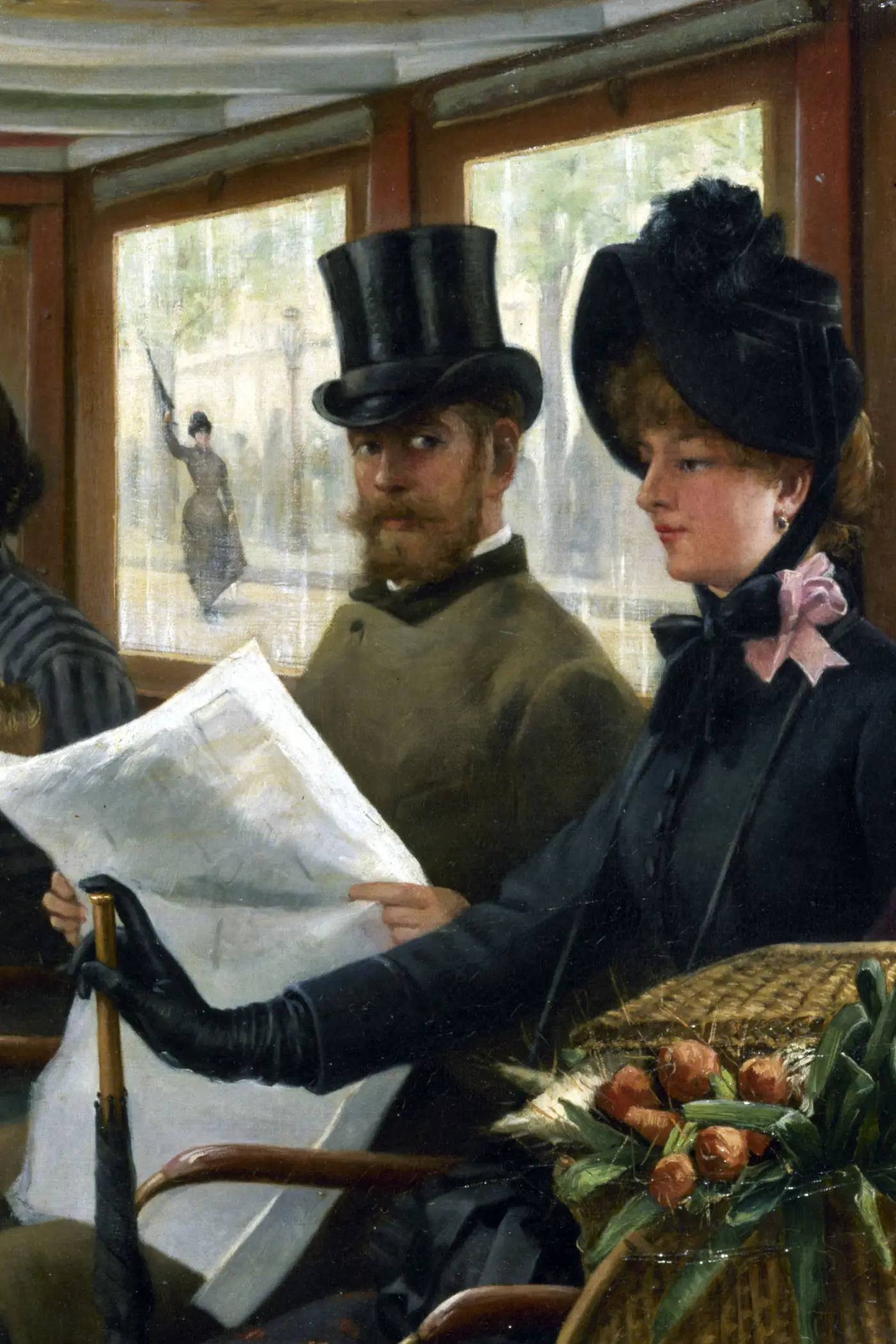
The Special Correspondent
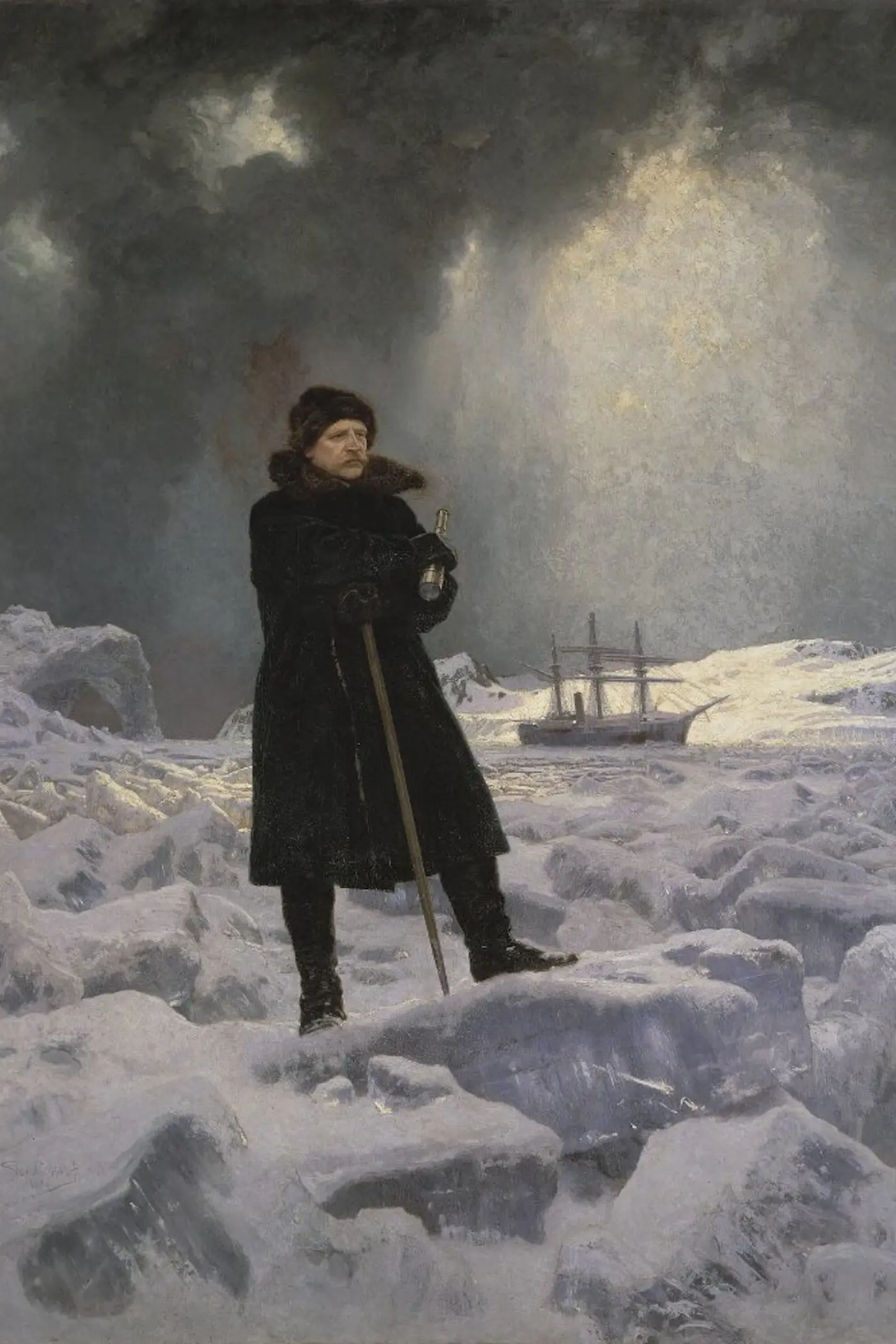
The Adventures of Captain Hatteras
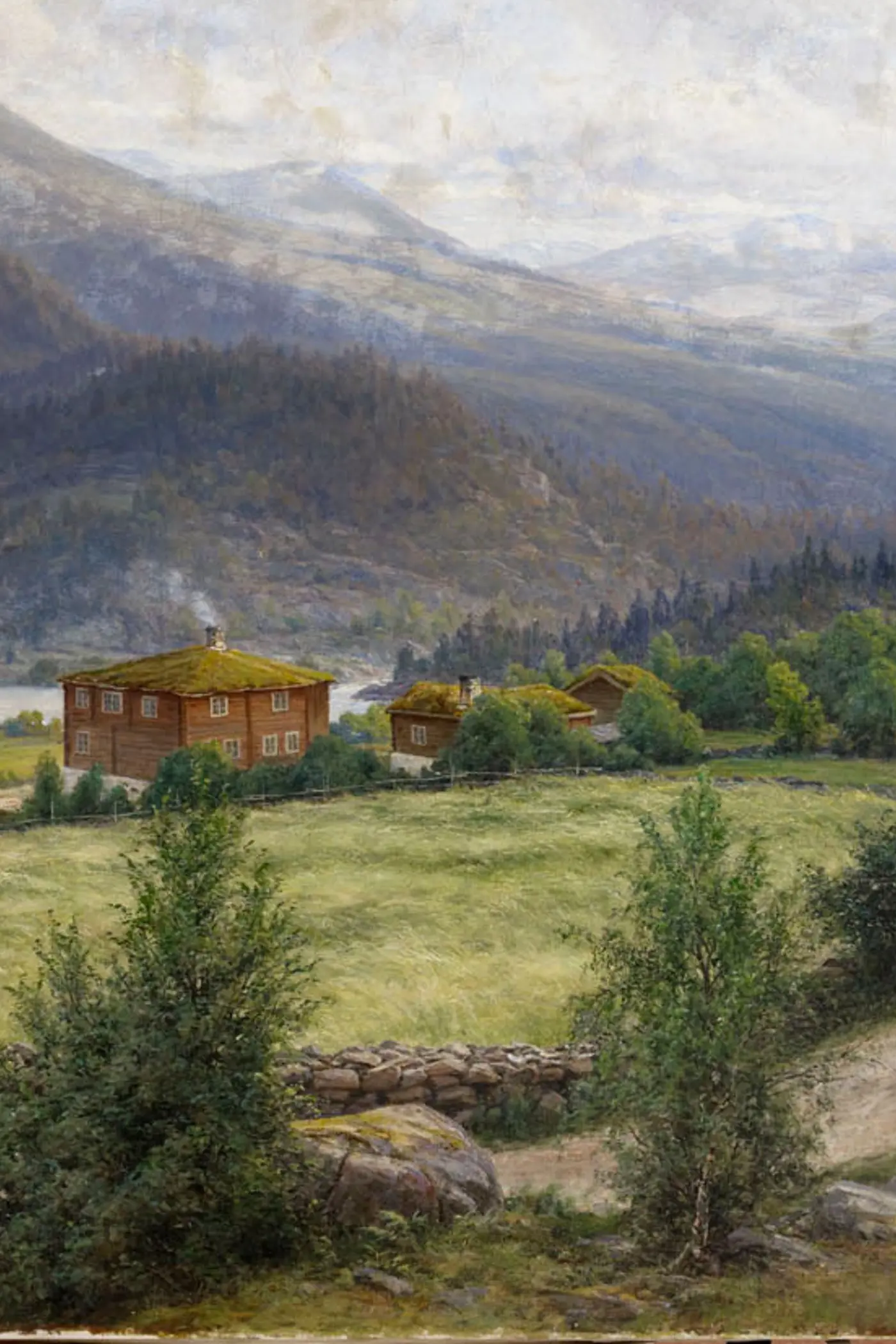
Ticket No. 9672

Michael Strogoff
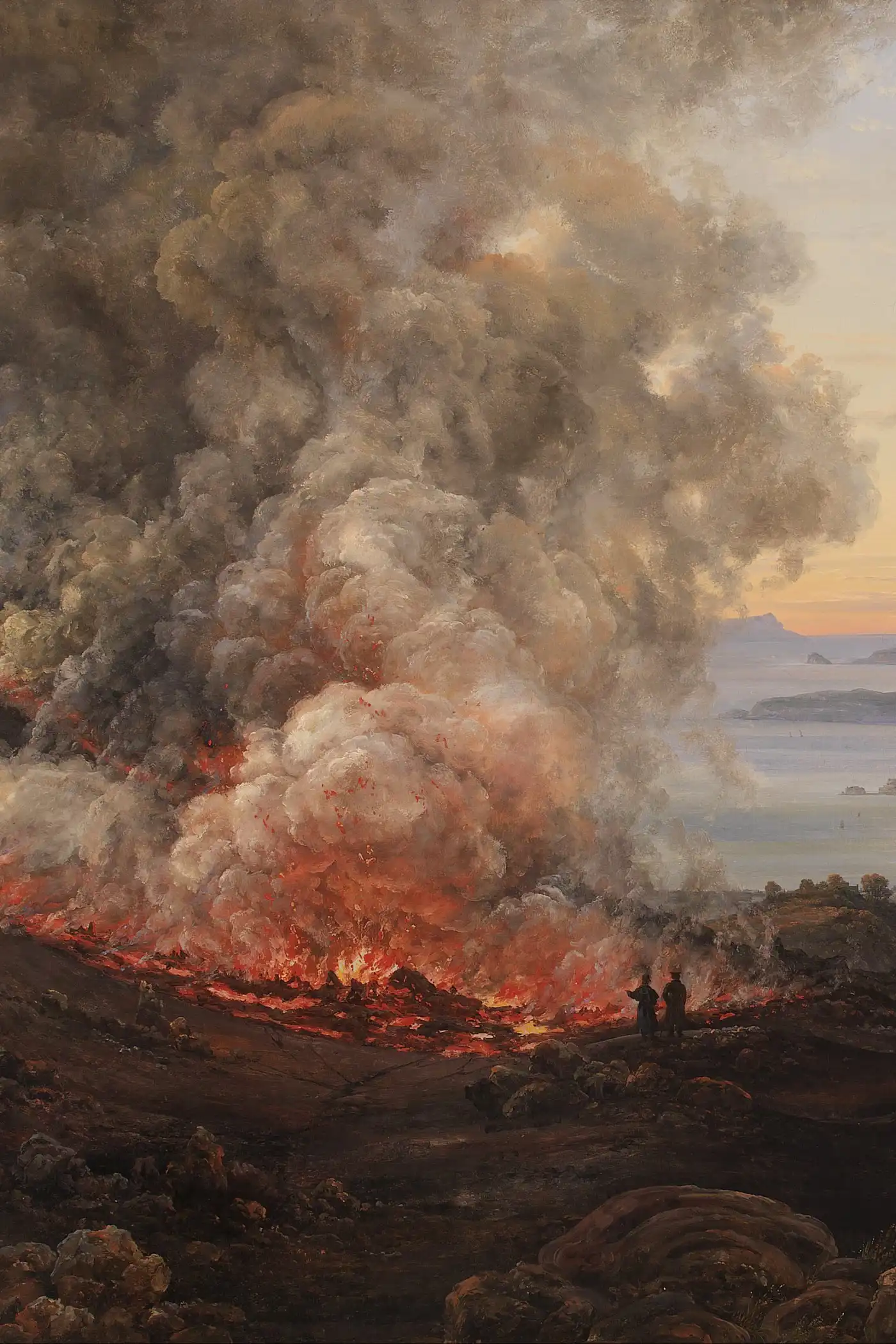
Journey to the Center of the Earth

The Fur Country
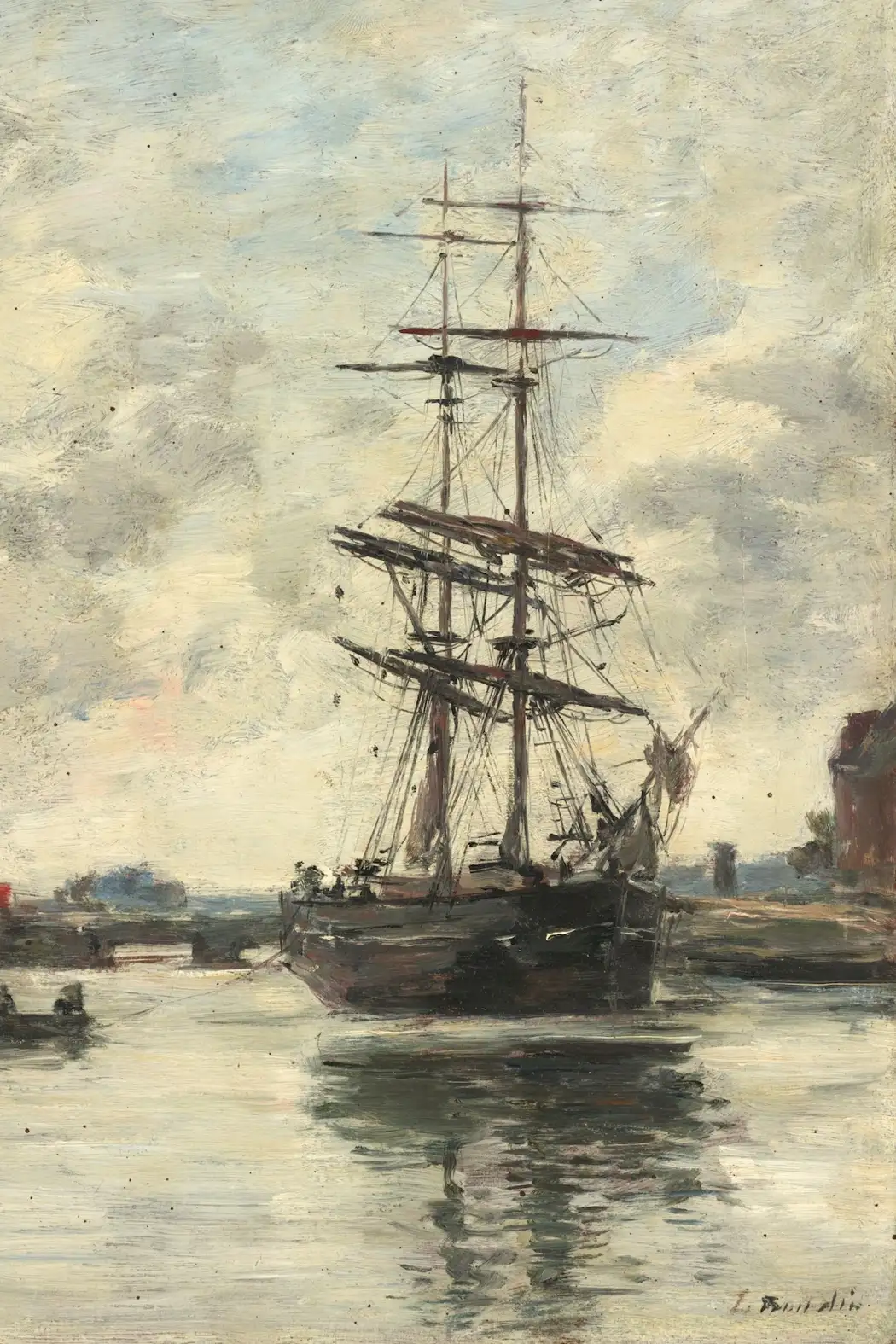
In Search of the Castaways
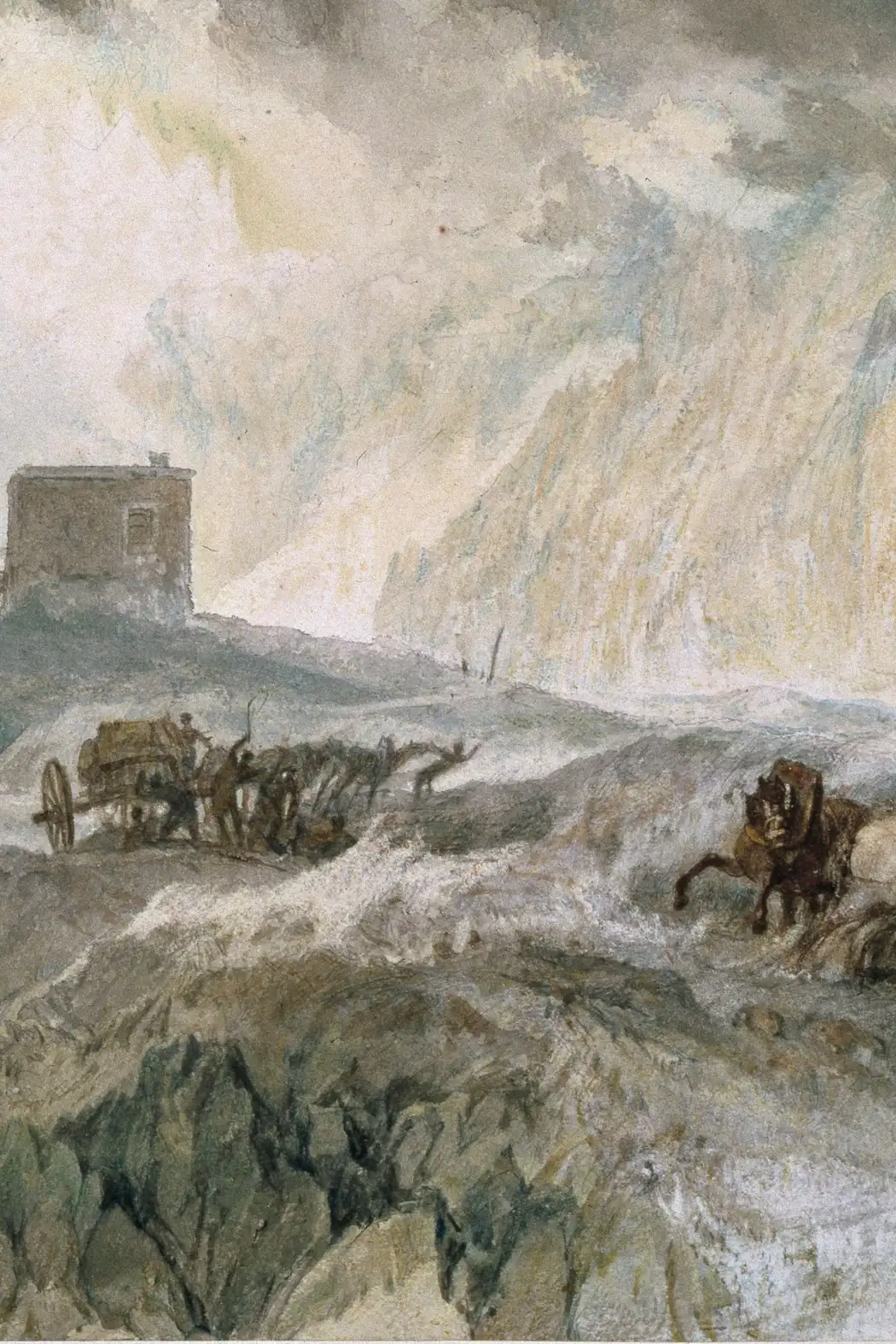
The Child of the Cavern
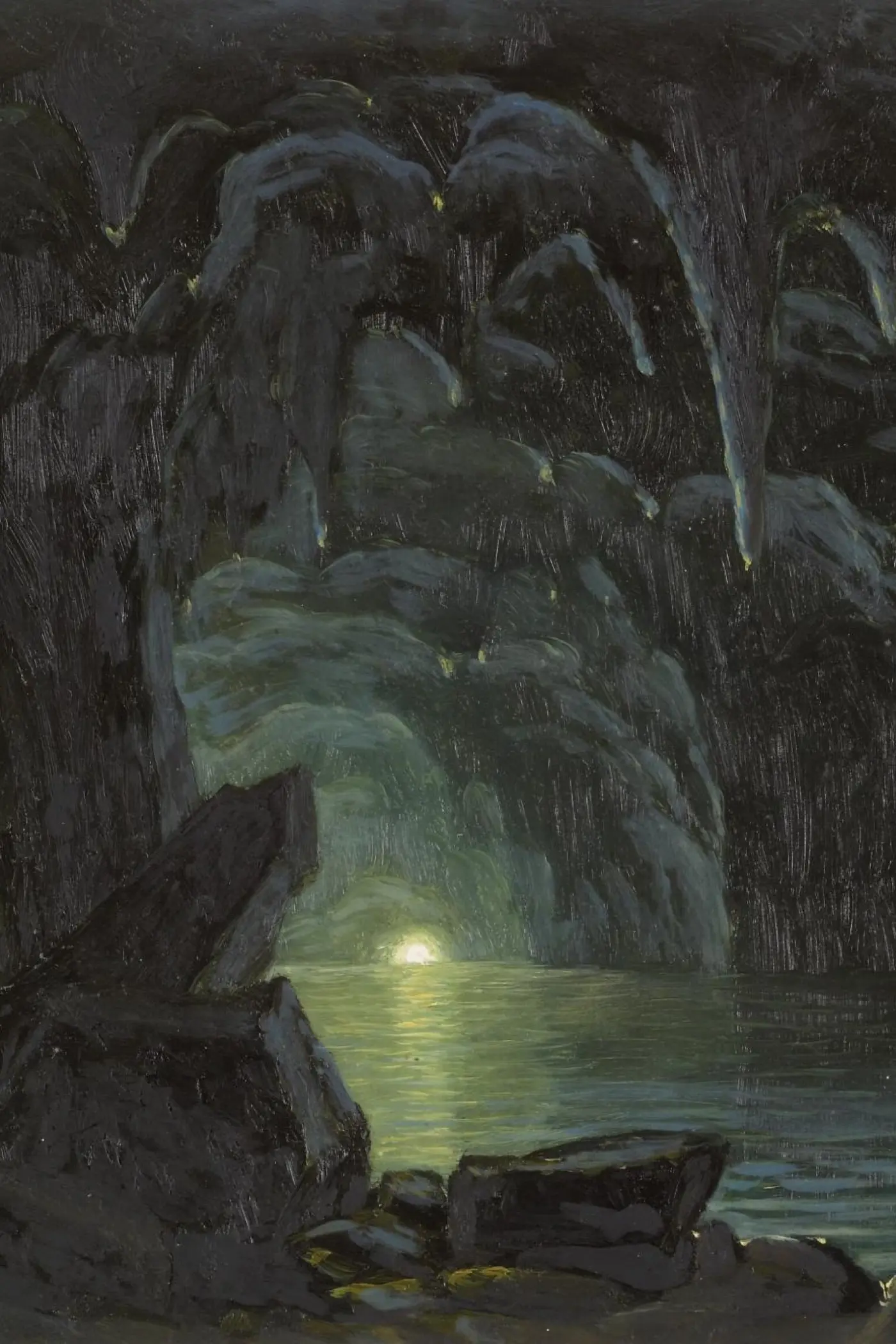
Facing the Flag
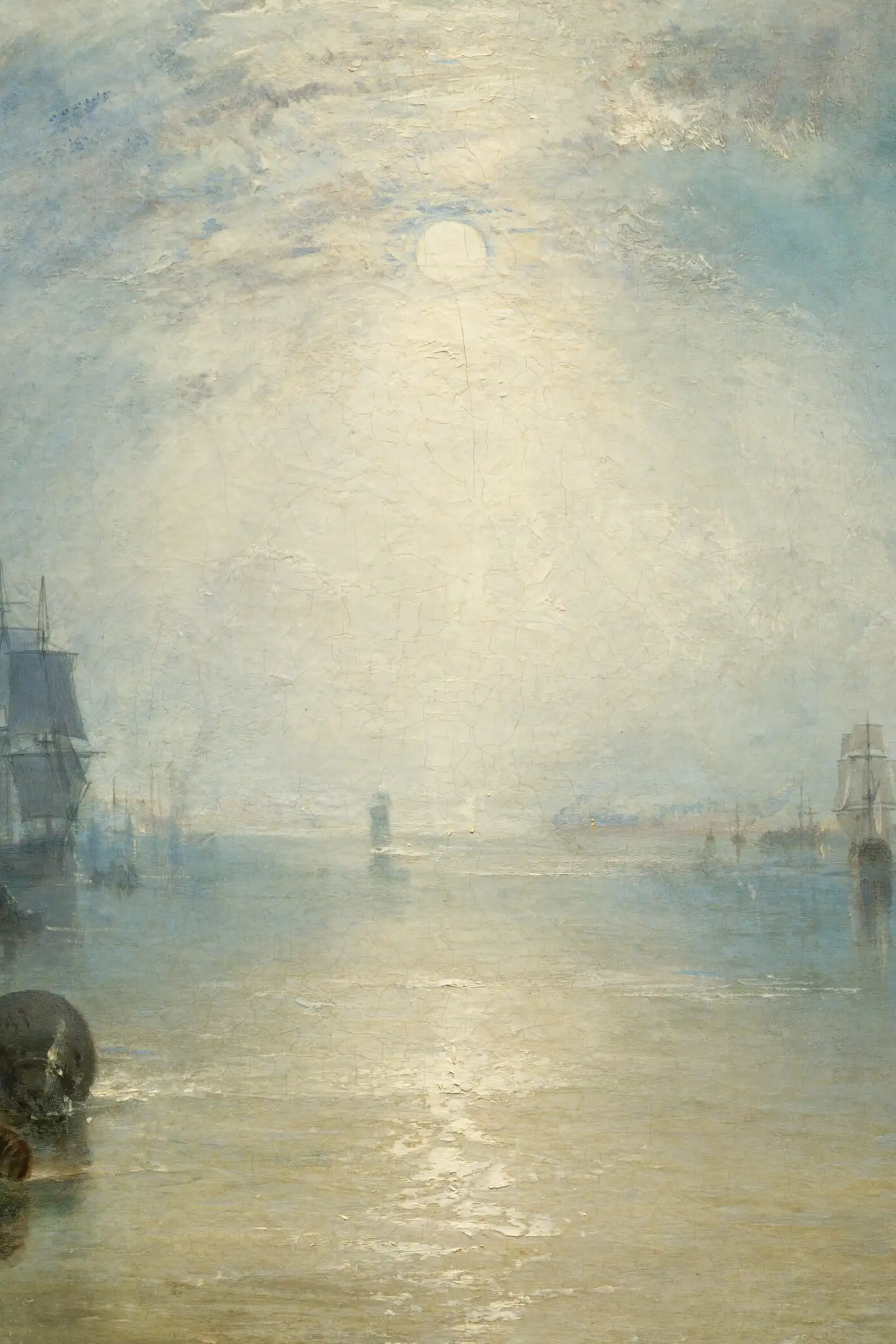
From the Earth to the Moon
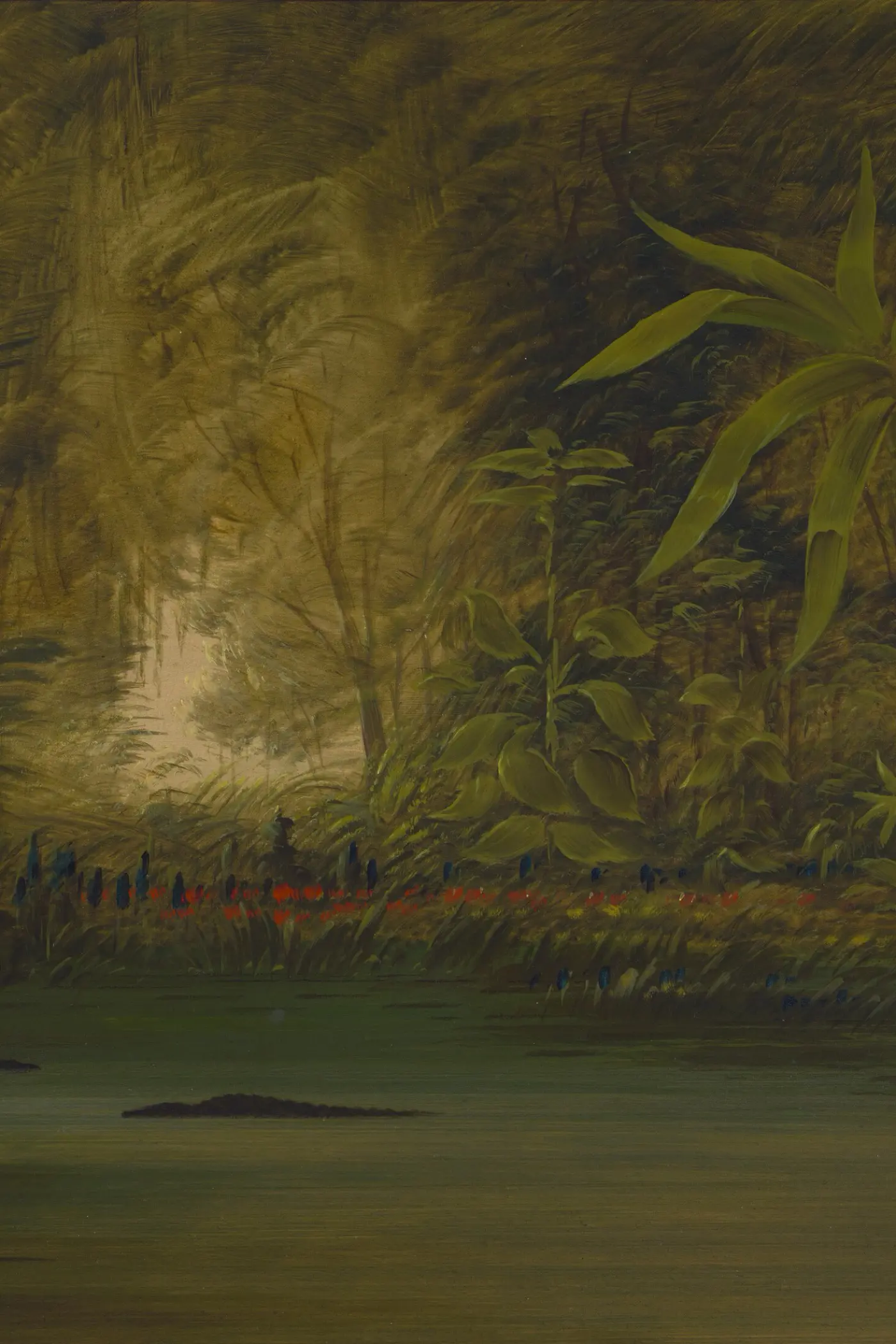
The Giant Raft
Explore by genre
Other authors you may enjoy
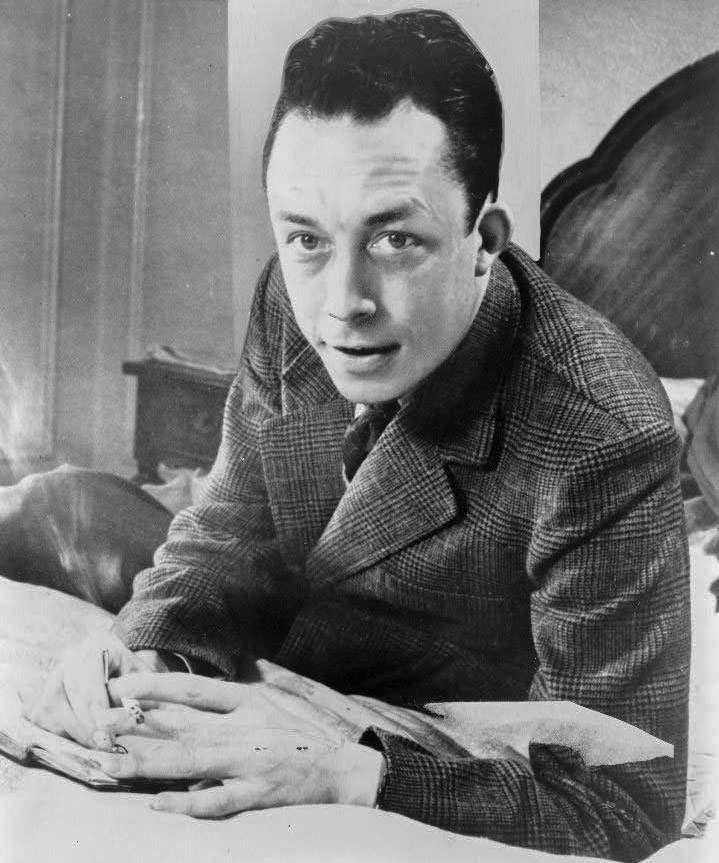
Why Jules Verne is still read today
Jules Verne is the father of science fiction, his "Voyages Extraordinaires" imagining technologies from submarines to spacecraft before they existed. Verne remains the second most translated author in history, his novels adapted into countless films, from Disney's 20,000 Leagues to modern blockbusters. His blend of adventure, accurate geography, and imaginative technology created a template for popular science fiction. Verne's predictions—submarines, space travel, video conferencing—were remarkably prescient, inspiring actual scientists and engineers. H.G. Wells acknowledged Verne's influence, though their approaches differed. Today, Verne's optimistic vision of technological progress feels both dated and charming, while his adventures remain thrilling. His influence extends from steampunk aesthetics to actual space exploration.
Frequently Asked Questions
What did Jules Verne predict?
Verne anticipated submarines, space travel to the moon, electric-powered vessels, and various technologies. His descriptions were often technically detailed enough to inspire engineers. Some predictions were less accurate but imaginatively compelling.
Is Jules Verne the father of science fiction?
Verne and H.G. Wells are both considered founders of science fiction. Verne focused on plausible technology extrapolated from current science; Wells was more speculative. Verne's adventure-driven approach influenced one major strand of the genre.
Where should I start reading Jules Verne?
Start with Journey to the Center of the Earth or Around the World in Eighty Days—both are accessible and exciting. Twenty Thousand Leagues Under the Sea showcases his most famous creation, Captain Nemo.
Are Jules Verne's books for children?
Verne wrote for general audiences, and his books have become young adult classics. They're adventure-driven with educational content about science and geography. Some 19th-century attitudes may require discussion with younger readers.
How many books did Jules Verne write?
Verne published 54 novels in his "Voyages Extraordinaires" series, plus numerous short stories. His publisher Hetzel shaped the series as educational adventure. Verne was extraordinarily prolific over his five-decade career.
Essential cookies keep you signed in and save your reading progress. Analytics cookies help us understand how the site is used. You can reject analytics — we still work without them. Learn more in our Privacy Policy.