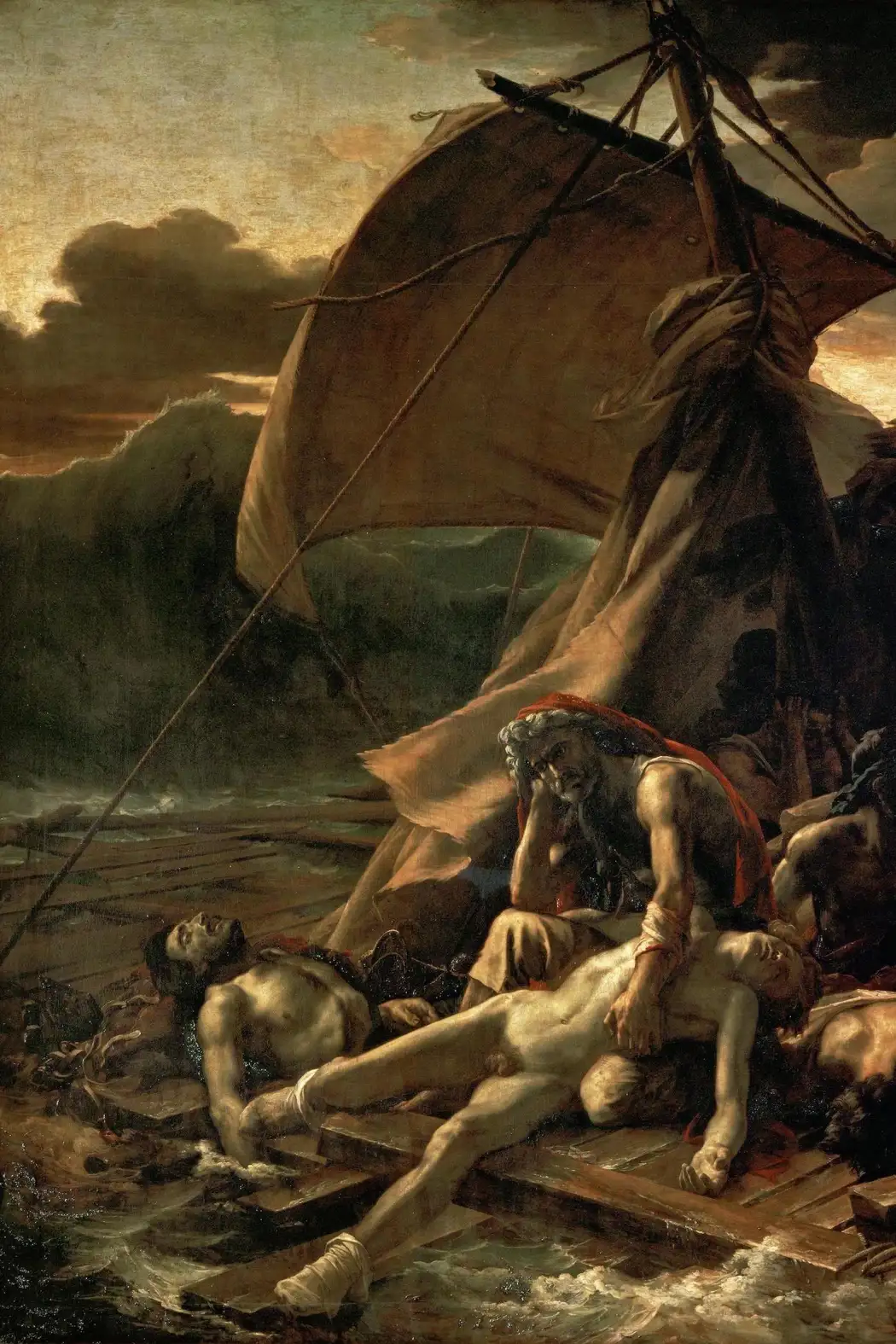
The Survivors of the Chancellor
What is The Survivors of the Chancellor about?
Desiring a more romantic crossing of the Atlantic, Englishman J. R. Kazallon decides to forgo a steamship and instead sets sail on the Chancellor , a large three-mast sailing ship. What follows is a classic nautical adventure, told in the form of a series of diary entries and filled with tragedy, suffering, and even horror. Despite the grim subject matter, Jules Verne still finds space to include ample descriptions of geology, biology, and meteorology.
Main themes in The Survivors of the Chancellor
Shipwreck survival
The Survivors of the Chancellor thoughtfully explores shipwreck survival through its central conflicts.
Human nature in extremity
The presence of human nature in extremity in The Survivors of the Chancellor connects readers to its enduring relevance.
Cannibalism and desperation
The presence of cannibalism and desperation in The Survivors of the Chancellor connects readers to its enduring relevance.
Leadership under pressure
The theme of leadership under pressure weaves through The Survivors of the Chancellor, adding depth to its narrative.
Why The Survivors of the Chancellor is still relevant today
The Survivors of the Chancellor is Verne's darkest novel, depicting shipwreck survivors on a raft descending into desperation, madness, and cannibalism. Based on real maritime disasters, it abandons typical Verne optimism for unflinching naturalism. The novel shows Verne's range beyond adventure.
More by this author
Frequently Asked Questions
What is The Survivors of the Chancellor about?
The Chancellor, a three-masted ship, catches fire and sinks. Survivors drift on a raft as supplies dwindle. Diary entries record their descent into desperation, including drawing lots for cannibalism. Few survive to be rescued.
Is The Survivors of the Chancellor really about cannibalism?
Yes, Verne depicts the survivors drawing lots to determine who will be eaten, a practice documented in real maritime disasters. It's his most disturbing and least adventure-oriented work.
Is this typical Verne?
No—it's an outlier in his work. There's no scientific innovation, no triumphant resolution. Instead, Verne depicts human nature stripped to survival instincts. It's powerful but not representative.
Is The Survivors of the Chancellor based on real events?
Verne drew on documented shipwreck accounts. The Medusa raft disaster of 1816 and other maritime tragedies informed his realistic, grim depiction. The novel is fiction but grounded in historical possibility.