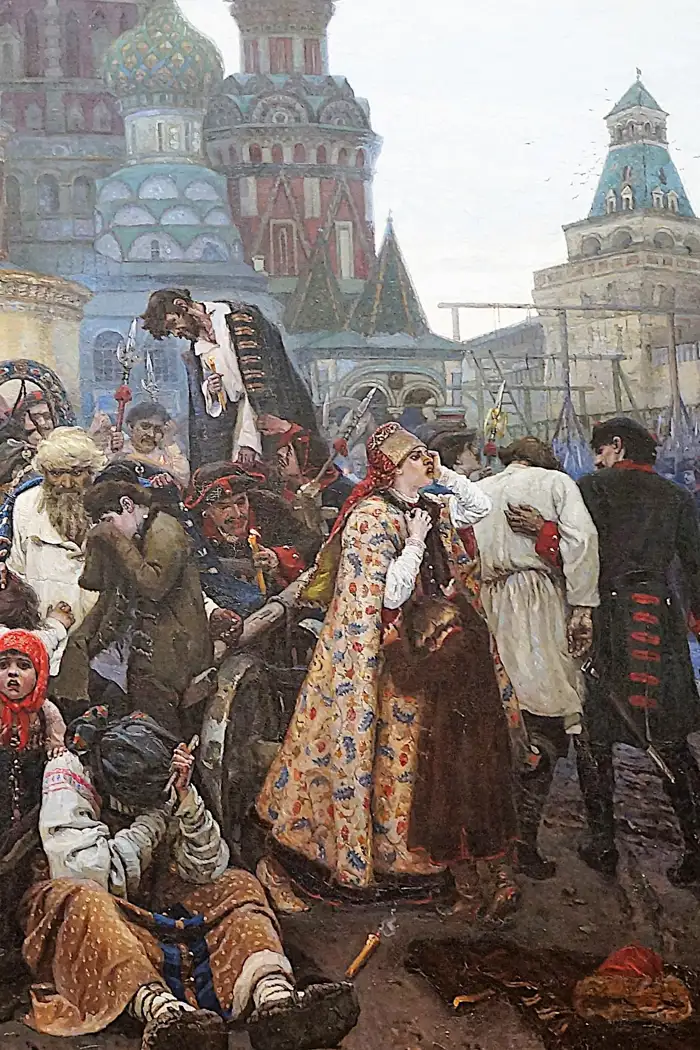
Michael Strogoff
What is Michael Strogoff about?
Jules Verne is perhaps best known for his science fiction stories, and Michael Strogoff breaks that mold. It’s a true-to-life tale of the titular character’s journey across Siberia to deliver an important message to the brother of the Russian Czar. Like other of Verne’s works, Strogoff encounters many colorful characters along the way, and together they create a vivid depiction of the harsh life in Russo-Siberia, as well as the resilient spirit of its inhabitants. The attention to detail and the accuracy of both the physical and geographical depictions of Siberia was noted by contemporaries, though it’s also said that Verne took some dramatic license in recreating some of the historical events. Contemporary critics agreed that Michael Strogoff is a thrilling tale of the strength of men, of patriotism, and of the devotion of one human being to another. Modern critics consider it to be one of Verne’s best novels. Though W. H. K. Kingston was named as the translator when this edition was published, in fact it was Kingston’s wife, Agnes Kinloch Kingston, who executed this translation. This fact was mentioned in her public obituary, but was forgotten until it was rediscovered by modern research.
Main themes in Michael Strogoff
Duty and loyalty
The theme of duty and loyalty weaves through Michael Strogoff, adding depth to its narrative.
Russian empire
The theme of russian empire weaves through Michael Strogoff, adding depth to its narrative.
Adventure and espionage
Michael Strogoff thoughtfully explores adventure and espionage through its central conflicts.
Heroic journey
The presence of heroic journey in Michael Strogoff connects readers to its enduring relevance.
Why Michael Strogoff is still relevant today
Michael Strogoff is Verne's most action-packed novel, following a Russian courier crossing Siberia during a Tartar invasion. The adventure-spy thriller combines exotic setting with heroic romance. It was Verne's personal favorite and became wildly popular, spawning stage adaptations and films.
More by this author
Frequently Asked Questions
What is Michael Strogoff about?
Tsar Alexander II sends courier Michael Strogoff across Siberia to warn his brother of Tartar invasion. Traveling incognito through enemy territory, Strogoff faces capture, torture, and sacrifice while protecting his secret mission.
Is Michael Strogoff based on real events?
The novel is fiction but draws on actual Russian geography and 19th-century Central Asian politics. The Tartar invasion is invented, but Verne researched Siberia and Russian culture carefully.
Why was Michael Strogoff Verne's favorite?
Verne loved the heroic adventure and Russian setting. The novel's dramatic situations—the blinding scene, the river crossing—showcased his storytelling at its most exciting. It also sold exceptionally well.
Is Michael Strogoff typical Verne?
It's more action-thriller than scientific adventure. The focus is heroism and espionage rather than technology. Readers seeking Verne's scientific imagination should look elsewhere; those wanting exciting adventure will enjoy this.