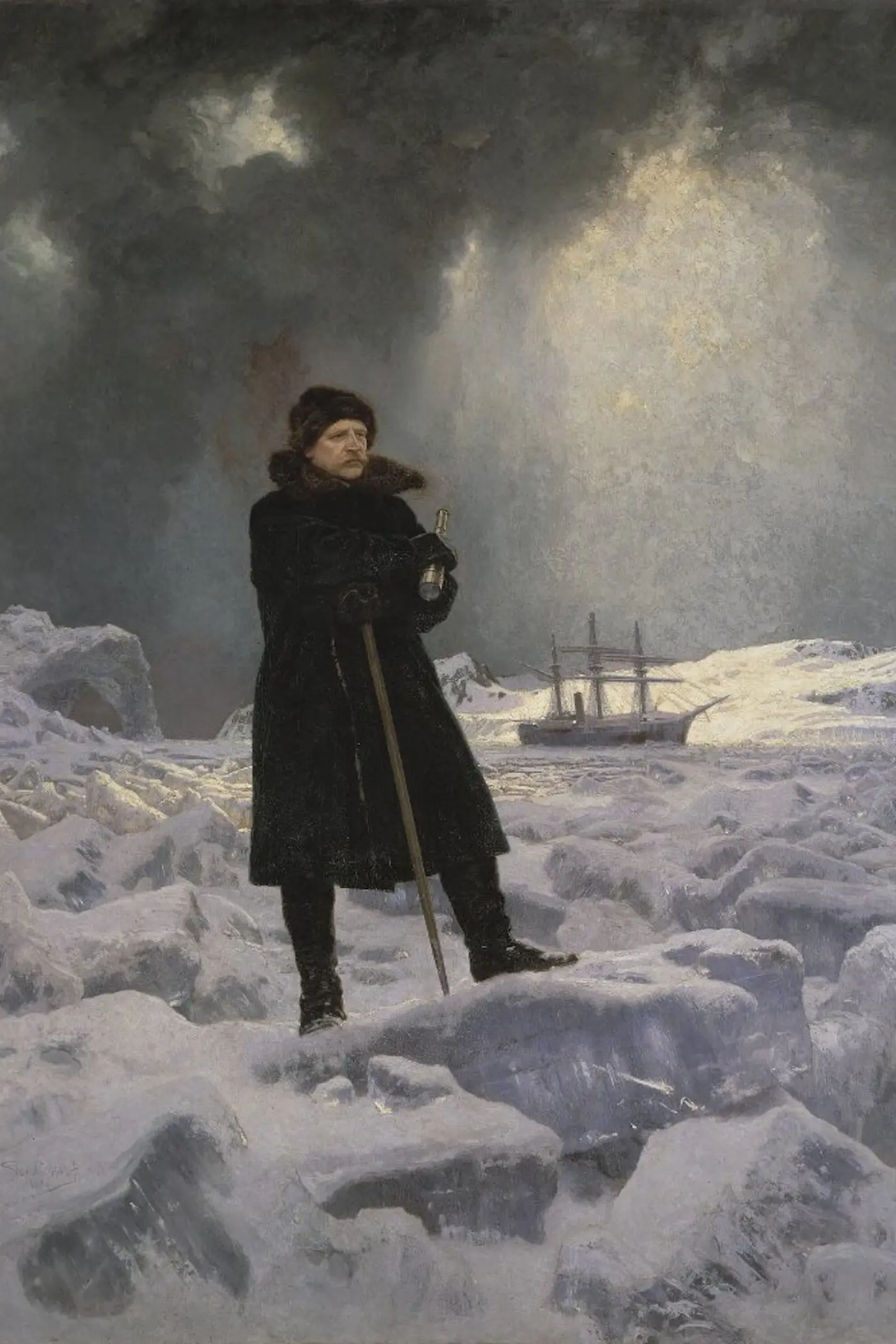
The Adventures of Captain Hatteras
What is The Adventures of Captain Hatteras about?
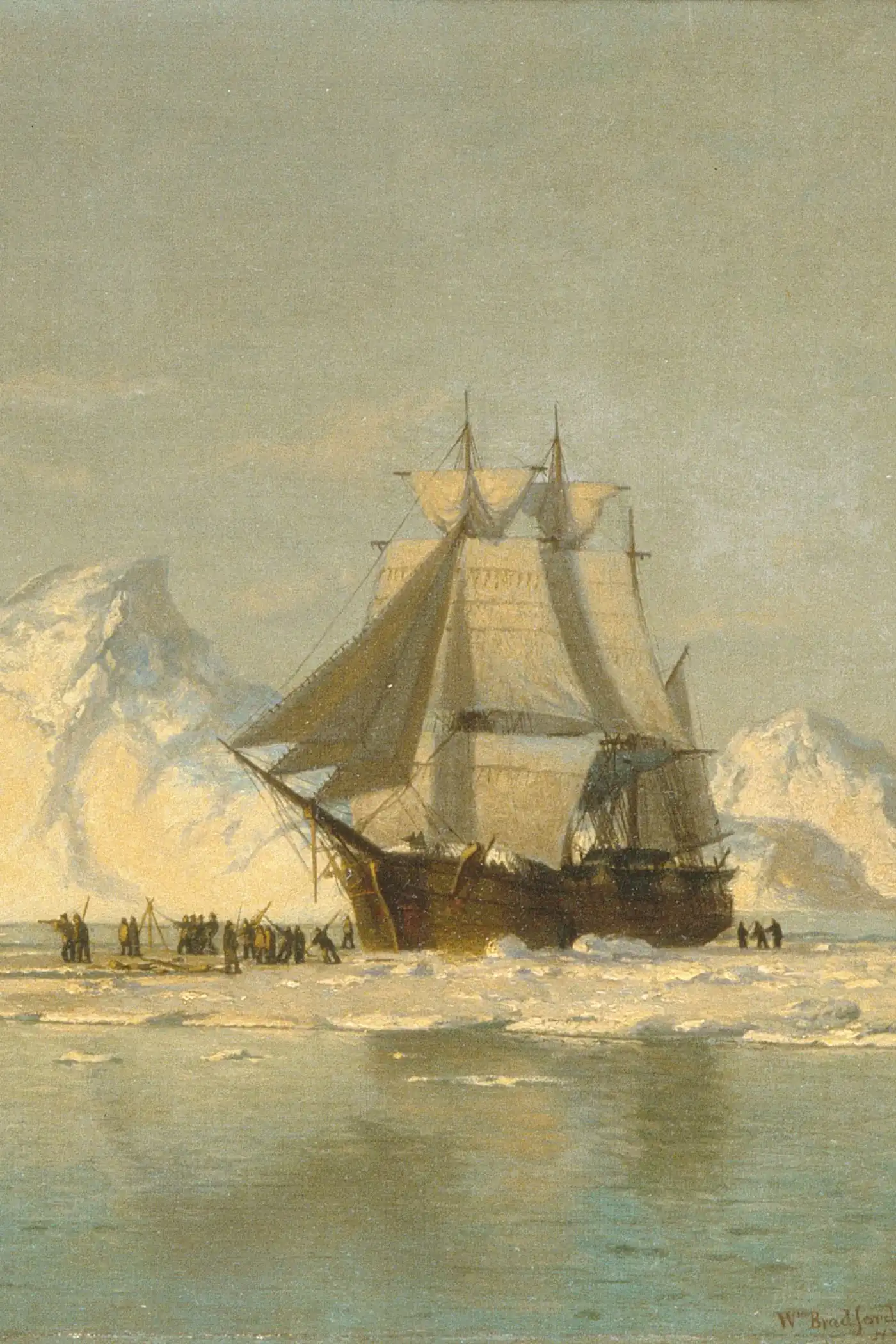
A letter from a sea captain, signed only with cryptic initials, directs an experienced sailor to built and outfit a ship, and to assemble a crew to sail on a dangerous adventure. The voyage starts towards a northerly destination with, as far as anyone knows, no captain aboard. After some time at sea, the captain finally appears and announces his identity, and his plan to sail to the North Pole. The crew faces dangers and hardship as they fight their way through the icy seas, while the captain single-mindedly drives them to find a passage ever farther north. In his usual style, Verne includes lots of history and scientific explanations in the story. The Adventures of Captain Hatteras was first published in 1864 under the title Voyages et aventures du capitaine Hatteras . The polar regions were not completely explored at this time. Verne speculated that the North Pole would be reachable by sea, and with the story set in 1861, it would be almost another fifty years before an explorer reached the pole.
Main themes in The Adventures of Captain Hatteras
Arctic exploration
The presence of arctic exploration in The Adventures of Captain Hatteras connects readers to its enduring relevance.
Obsession and madness
Obsession and madness emerges as a defining element in The Adventures of Captain Hatteras, shaping character development.
Leadership and command
The theme of leadership and command weaves through The Adventures of Captain Hatteras, adding depth to its narrative.
Survival in extremes
The theme of survival in extremes weaves through The Adventures of Captain Hatteras, adding depth to its narrative.
Why The Adventures of Captain Hatteras is still relevant today
The Adventures of Captain Hatteras follows an obsessive expedition to reach the North Pole, written when the Pole remained unconquered. The novel explores the psychology of exploration, as Hatteras's fanatical determination drives his crew toward destruction. It's darker than typical Verne, examining the cost of obsession.
More by this author


Frequently Asked Questions
What is The Adventures of Captain Hatteras about?
English captain John Hatteras leads a secret expedition to reach the North Pole. His fanatical determination, hidden identity, and mysterious funding drive the crew through mutiny, ice, and privation. The novel ends ambiguously.
Did Verne predict the North Pole?
Verne imagined the Pole as a volcanic island in an open polar sea—incorrect, as the Pole is ice over ocean. But his depiction of Arctic exploration conditions and psychology proved prescient.
Is Captain Hatteras similar to other Verne heroes?
Hatteras is darker than typical Verne protagonists. His obsession borders on madness, and the novel questions whether such determination is heroic or destructive. He anticipates Melville's Ahab in some ways.
What happens at the end of Captain Hatteras?
The ending is deliberately ambiguous about Hatteras's fate and sanity. Verne leaves readers to judge whether reaching the Pole was triumph or tragedy. It's one of his most thought-provoking conclusions.