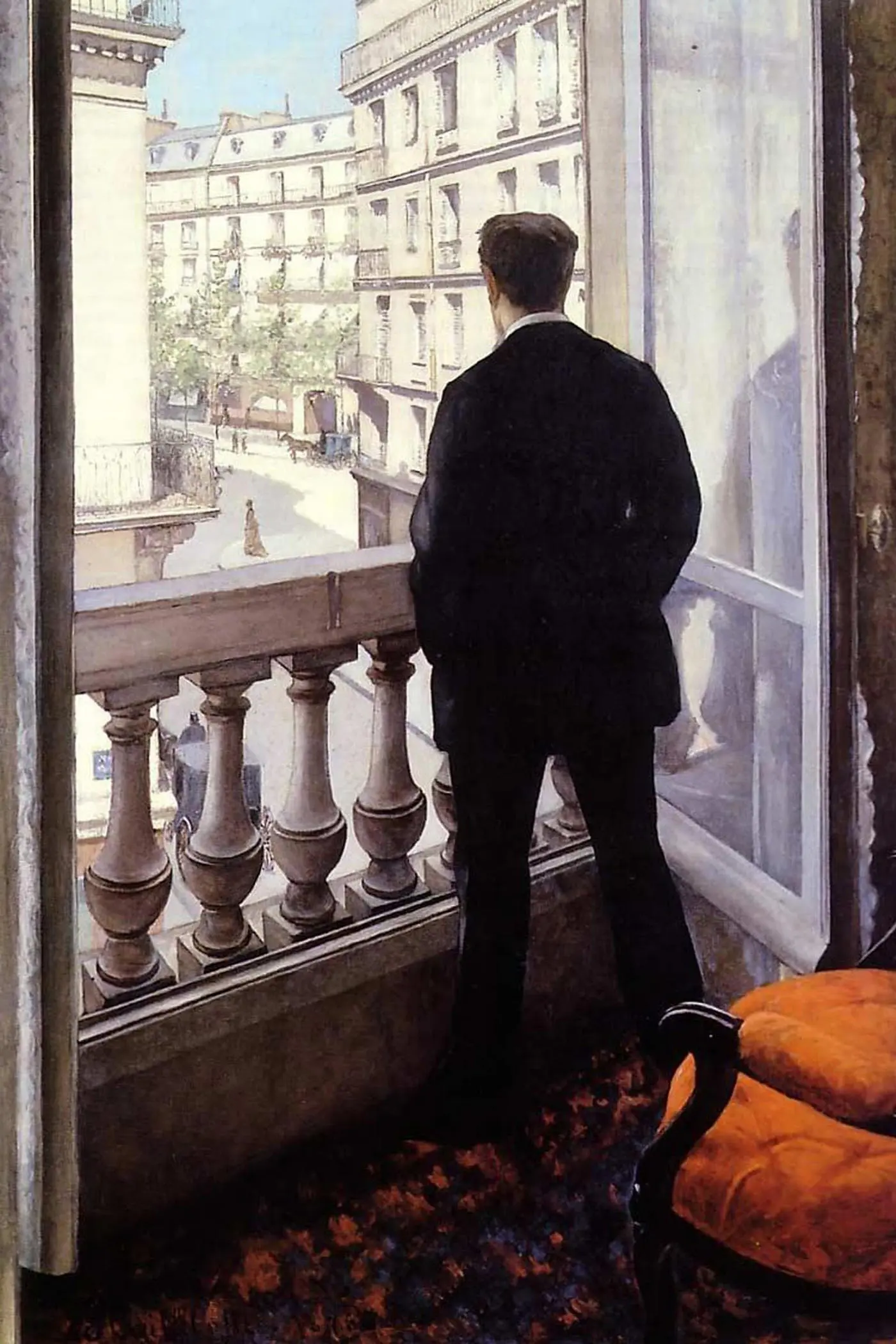
Father Goriot
What is Father Goriot about?
Father Goriot (Le Père Goriot), published in 1835, is one of Honoré de Balzac's most celebrated novels and a cornerstone of La Comédie humaine. Set in a shabby Parisian boarding house run by Madame Vauquer, the novel follows two intertwined stories: the tragic decline of old Jean-Joachim Goriot, a retired vermicelli maker who has sacrificed his entire fortune for his two ungrateful daughters, and the ambitious education of Eugène de Rastignac, a young law student from the provinces determined to conquer Parisian society. As Rastignac witnesses Goriot's suffering and encounters the enigmatic criminal Vautrin, he is forced to choose between moral integrity and worldly success. The boarding house serves as a microcosm of French society, bringing together characters from every social stratum and exposing the brutal mechanisms of class, money, and ambition that govern post-Napoleonic Paris. Father Goriot is widely considered one of the greatest novels in Western literature. Its unflinching portrayal of paternal love destroyed by filial ingratitude, its panoramic social vision, and its psychologically complex characters established Balzac as the preeminent realist of his age. The novel also introduced several of Balzac's most important recurring characters, making it an ideal entry point into the vast world of La Comédie humaine.
Main themes in Father Goriot
Paternal Sacrifice
In Father Goriot, paternal sacrifice provides a lens for understanding the story's core message.
Social Ambition
Social Ambition emerges as a defining element in Father Goriot, shaping character development.
The Power of Money
The theme of the power of money weaves through Father Goriot, adding depth to its narrative.
Corruption and Innocence
The presence of corruption and innocence in Father Goriot connects readers to its enduring relevance.
Why Father Goriot is still relevant today
Father Goriot is essential reading for students of French literature, nineteenth-century fiction, and the realist tradition. As the most accessible entry point to Balzac's La Comédie humaine, it introduces recurring characters and themes that span dozens of novels. The book is frequently assigned in university courses on European literature and comparative fiction. Readers interested in the social dynamics of post-revolutionary France, the psychology of ambition, or the literary origins of realism will find Father Goriot indispensable. Its exploration of how money corrodes family bonds and its vivid portrait of Parisian class structure remain remarkably relevant to contemporary readers.
More by this author

Frequently Asked Questions
What is Father Goriot about?
Father Goriot tells the story of an aging retired merchant who has given away his fortune to secure advantageous marriages for his two daughters, only to be abandoned by them as he descends into poverty and illness in a Parisian boarding house.
Is Father Goriot based on King Lear?
Balzac acknowledged the parallel, and critics have long noted the similarities between Goriot's ungrateful daughters and Lear's Goneril and Regan. However, Balzac transplanted the tragedy into a specifically modern, bourgeois setting driven by money rather than political power.
Who is Vautrin in Father Goriot?
Vautrin is an enigmatic and charismatic boarder who is secretly a master criminal. He tempts Rastignac with a scheme to murder for wealth and serves as a dark mentor figure. He reappears in several later novels in La Comédie humaine.
Why is Father Goriot considered a masterpiece?
The novel is celebrated for its psychological depth, its panoramic social portrait, its innovative use of recurring characters, and its unflinching examination of how money corrupts human relationships. It is widely regarded as one of the foundational works of literary realism.
Where does Father Goriot fit in La Comédie humaine?
Father Goriot is the central hub of La Comédie humaine. It introduces key recurring characters including Eugène de Rastignac, Vautrin, and Bianchon, who appear across dozens of Balzac's other novels.