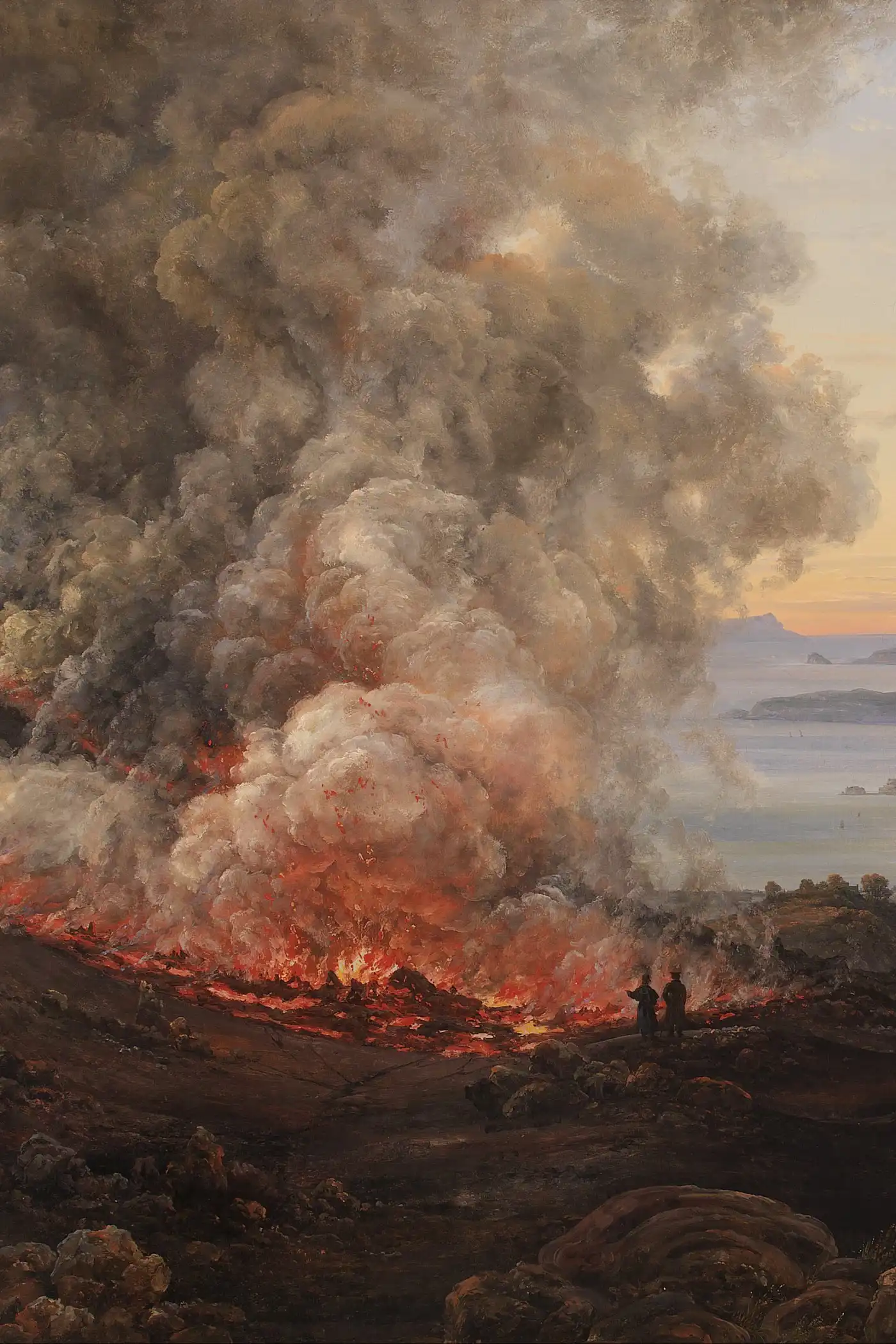
Journey to the Center of the Earth
What is Journey to the Center of the Earth about?
Journey to the Center of the Earth by Jules Verne is a pioneering science fiction adventure that ignited imaginations worldwide. Published in 1864, this thrilling tale follows German professor Otto Lidenbrock, his nephew Axel, and their Icelandic guide Hans as they descend through a volcanic crater into the Earth's mysterious interior. Verne masterfully blends scientific speculation with breathtaking adventure as the explorers encounter prehistoric creatures, vast underground oceans, and wonders beyond imagination. This foundational work of the science fiction genre showcases Verne's extraordinary ability to make the impossible seem plausible, inspiring generations of readers, scientists, and explorers to dream of undiscovered worlds.
Main themes in Journey to the Center of the Earth
Underground exploration
Journey to the Center of the Earth thoughtfully explores underground exploration through its central conflicts.
Scientific curiosity
Scientific curiosity emerges as a defining element in Journey to the Center of the Earth, shaping character development.
Prehistoric survival
The presence of prehistoric survival in Journey to the Center of the Earth connects readers to its enduring relevance.
Danger and discovery
The presence of danger and discovery in Journey to the Center of the Earth connects readers to its enduring relevance.
Why Journey to the Center of the Earth is still relevant today
Journey to the Center of the Earth established Verne's template of scientific adventure, imagining a subterranean world reached through an Icelandic volcano. The novel has been adapted into numerous films and inspired real exploration. Its blend of actual geology with fantastic imagination exemplifies Verne's appeal.
More by this author




Frequently Asked Questions
What is Journey to the Center of the Earth about?
Professor Lidenbrock deciphers an ancient manuscript revealing a passage to Earth's center through an Icelandic volcano. With his nephew Axel and guide Hans, he descends into a subterranean world of prehistoric creatures, underground seas, and volcanic dangers.
Is Journey to the Center of the Earth scientifically accurate?
Verne incorporated contemporary geological theories, some since disproven. The hollow earth with prehistoric life is fantasy, but he researched actual volcanism and geology. The novel blends real science with imaginative extrapolation.
How do they escape in Journey to the Center of the Earth?
After various adventures including underground seas and prehistoric creatures, the travelers are expelled through a volcanic eruption in Italy. Verne provides a dramatic escape mechanism using real volcanic processes.
Is this a good introduction to Jules Verne?
Yes, Journey to the Center of the Earth is relatively short and showcases Verne's characteristic blend of adventure, science, and wonder. It's an excellent starting point for exploring his work.