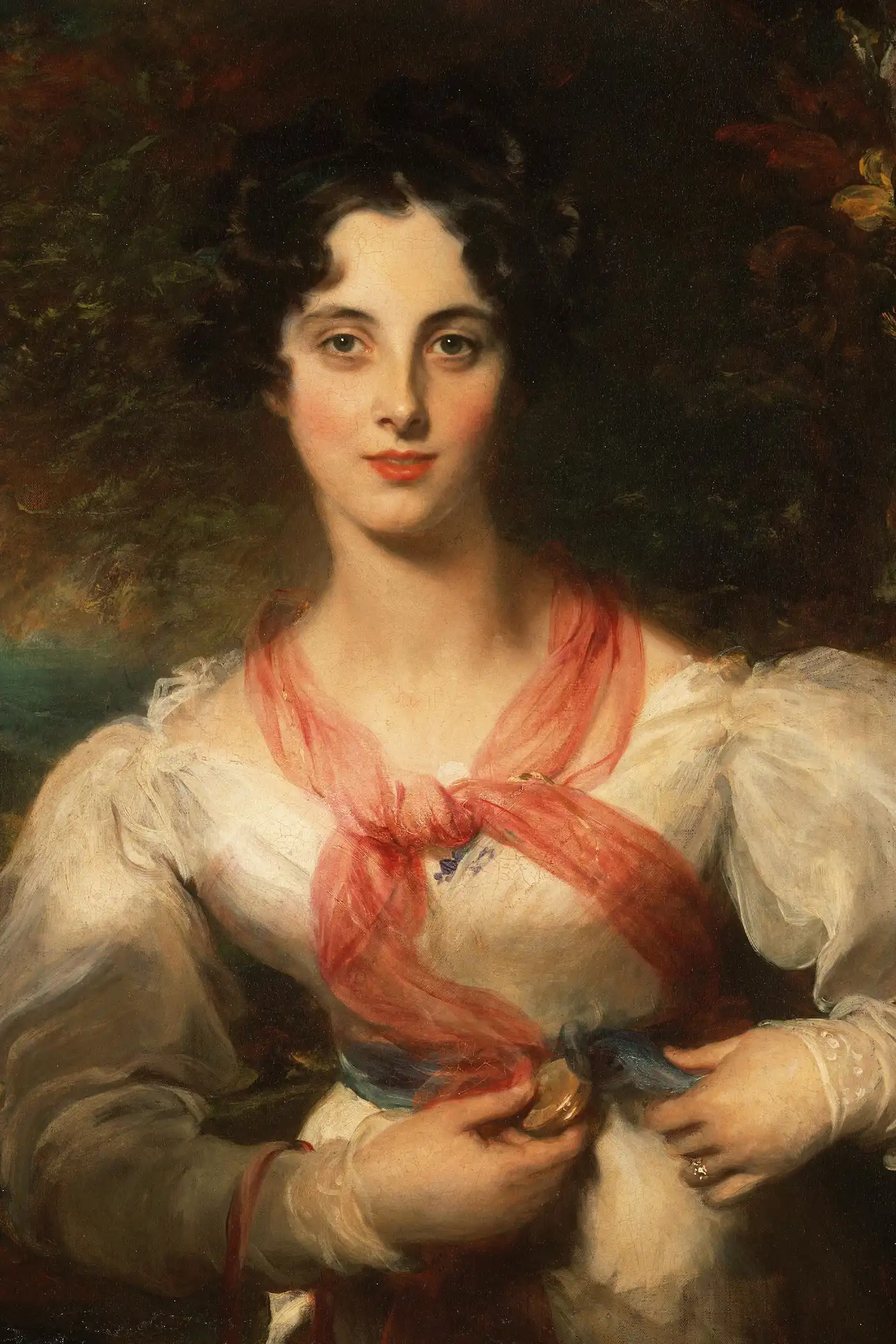
The Lily of the Valley
What is The Lily of the Valley about?
The Lily of the Valley (Le Lys dans la vallée), published in 1835, is one of Honoré de Balzac's most lyrical and emotionally intense novels. Written as a long confessional letter, the novel tells the story of Félix de Vandenesse, a young man from an unhappy aristocratic family, who falls deeply in love with Madame de Mortsauf, a virtuous married woman living in the Indre valley of Touraine. Henriette de Mortsauf endures a miserable marriage to a querulous, tyrannical husband while raising two sickly children. She and Félix develop a passionate but unconsummated attachment that becomes the emotional center of both their lives. Their relationship exists in a state of perpetual tension between spiritual devotion and physical desire, with Henriette insisting on keeping their love pure while Félix struggles with his unfulfilled longing. When Félix eventually succumbs to a worldly affair in Paris, the consequences for Henriette are devastating. The novel explores with remarkable subtlety the psychological toll of repressed passion, the cruelty of duty imposed on women, and the gap between romantic idealism and the realities of desire. Set against the beautifully rendered landscape of the Loire valley, The Lily of the Valley is Balzac's most sustained exploration of romantic love. Its detailed evocation of the natural world, its complex treatment of feminine suffering, and its frank examination of the destructive power of unrequited desire make it a unique achievement within La Comédie humaine.
Main themes in The Lily of the Valley
Unrequited Love
In The Lily of the Valley, unrequited love provides a lens for understanding the story's core message.
Duty versus Desire
In The Lily of the Valley, duty versus desire provides a lens for understanding the story's core message.
Nature and Emotion
In The Lily of the Valley, nature and emotion provides a lens for understanding the story's core message.
Feminine Suffering
In The Lily of the Valley, feminine suffering provides a lens for understanding the story's core message.
Why The Lily of the Valley is still relevant today
The Lily of the Valley is essential reading for those interested in Balzac's romantic and psychological dimensions, which are often overshadowed by his reputation as a social novelist. The novel offers one of nineteenth-century literature's most nuanced explorations of unconsummated love and the tension between passion and duty. Its lush evocation of the Touraine landscape places it among the finest nature writing in French fiction. Students of gender studies will find its portrait of feminine suffering under patriarchal marriage structures particularly compelling. The novel also illuminates Balzac's own complex attitudes toward women, love, and desire, making it valuable for biographical and literary study alike.
More by this author
Frequently Asked Questions
What is The Lily of the Valley about?
The novel is a confessional narrative in which Félix de Vandenesse recounts his intense, unconsummated love for Henriette de Mortsauf, a married woman trapped in an unhappy marriage in the French countryside, and the devastating consequences of his eventual infidelity.
Is The Lily of the Valley autobiographical?
Balzac drew on his own youthful passion for Madame de Berny, an older married woman who became his mentor and lover, lending the novel an emotional authenticity rooted in personal experience.
How does this novel differ from Balzac's other works?
While most of Balzac's novels focus on social and economic forces, The Lily of the Valley is his most lyrical and introspective work, centering on the psychology of romantic love and the beauty of the natural landscape.
What does the lily symbolize in the novel?
The lily represents Henriette's purity, virtue, and the idealized spiritual love she maintains with Félix. It also evokes her fragility and the impossibility of preserving innocence in a world of desire and compromise.
Where is The Lily of the Valley set?
The novel is primarily set in the Indre valley of Touraine in central France, a region Balzac knew intimately and described with extraordinary beauty and precision.