The Mysterious Island
What is The Mysterious Island about?
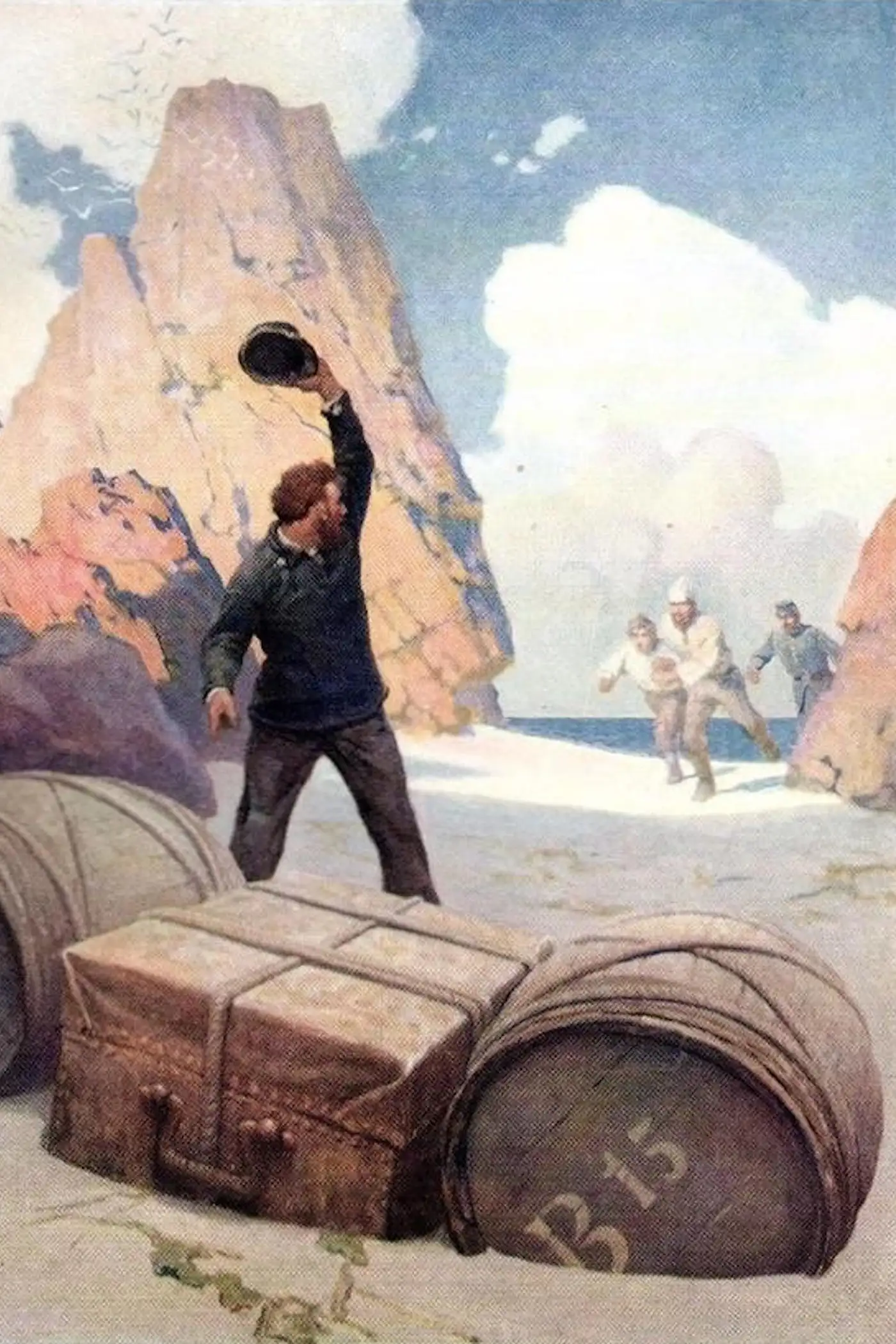
The Mysterious Island tells the tale of five Americans who, in an attempt to escape the Civil War, pilot a hot-air balloon and find themselves crashed on a deserted island somewhere in the Pacific. Verne had been greatly influenced by works like Robinson Crusoe and The Swiss Family Robinson , and that influence shines brightly in this novel of engineering ingenuity and adventure. Verne imparts the escapees with such over-the-top cleverness and so many luckily placed resources that modern readers might find the extent to which they tame the island comical. Despite that, the island contains genuine mysteries for the adventurers to solve. The standard translation of The Mysterious Island was produced in 1875, and is credited to W. H. G. Kingston. Despite its popularity, it’s widely criticized for abridging and Bowdlerizing important parts of the text. The translation presented here, produced by Stephen W. White in 1876, is considered a much more accurate translation, despite it also abridging some portions.
Main themes in The Mysterious Island
Survival and ingenuity
In The Mysterious Island, survival and ingenuity provides a lens for understanding the story's core message.
Scientific application
In The Mysterious Island, scientific application provides a lens for understanding the story's core message.
Civilization building
The theme of civilization building weaves through The Mysterious Island, adding depth to its narrative.
Captain Nemo's return
Captain Nemo's return emerges as a defining element in The Mysterious Island, shaping character development.
Why The Mysterious Island is still relevant today
The Mysterious Island is Verne's grandest adventure, combining survival narrative with the return of Captain Nemo. Escaped Civil War prisoners build civilization from scratch on a Pacific island using ingenuity and scientific knowledge. The novel connects to Twenty Thousand Leagues Under the Sea and showcases Verne's faith in human resourcefulness.
More by this author


Frequently Asked Questions
What is The Mysterious Island about?
Five Americans escape Confederate imprisonment by balloon and crash on a Pacific island. Using scientific knowledge and ingenuity, they build a thriving colony. A mysterious benefactor helps them, eventually revealed as Captain Nemo from Twenty Thousand Leagues.
Is The Mysterious Island connected to other Verne novels?
Yes, it completes Verne's Captain Nemo trilogy along with Twenty Thousand Leagues Under the Sea and In Search of the Castaways. Nemo's backstory and fate are revealed, providing closure to his character.
Can I read The Mysterious Island without reading the others?
Yes, the novel stands alone as a survival adventure. The Nemo connection adds richness for those who know his story but isn't essential. It's often considered Verne's most satisfying complete novel.
Is The Mysterious Island realistic?
The settlers' technical achievements stretch plausibility but follow logical steps. Verne shows how scientific knowledge could recreate industrial processes from raw materials. It's both educational and entertaining.