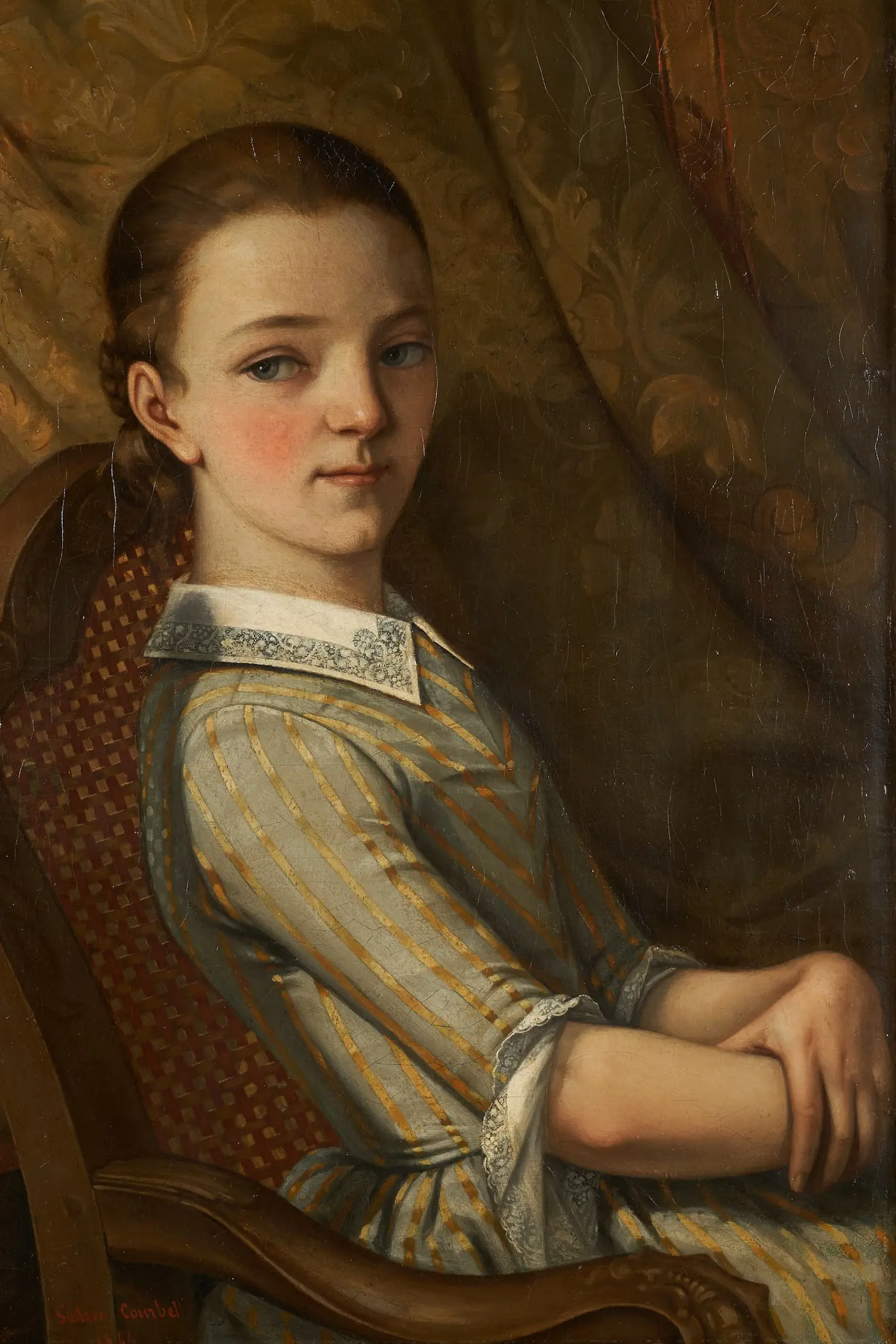
Ursule Mirouët
What is Ursule Mirouët about?
Ursule Mirouët, published in 1841, is one of Honoré de Balzac's most emotionally engaging and skillfully plotted novels, combining a compelling inheritance drama with an exploration of faith, justice, and small-town intrigue. Set in the provincial town of Nemours, the story centers on Ursule Mirouët, a devout and gentle young woman raised by her great-uncle, the elderly Doctor Minoret, a wealthy rationalist and former atheist. When Doctor Minoret dies, his greedy relatives descend upon the estate expecting to inherit his fortune. However, the doctor has secretly left a substantial bequest to Ursule, which is stolen by his nephew Minoret-Levrault, a coarse and avaricious postmaster. The novel follows Ursule's struggle to recover her inheritance against the scheming of her relatives, who will stop at nothing to keep her from what is rightfully hers. Balzac enriches this inheritance plot with a remarkable spiritual dimension. Doctor Minoret's late-life conversion from materialism to religious faith, partly inspired by his encounters with mesmerism and the supernatural, gives the novel an unusual metaphysical depth. The tension between scientific rationalism and spiritual belief runs throughout the narrative, adding philosophical substance to the legal and social drama. Ursule Mirouët is one of Balzac's most satisfying novels in terms of plot resolution and moral clarity. Its vivid depiction of provincial avarice, its sympathetic heroine, and its exploration of justice both human and divine make it a rewarding and accessible entry into La Comédie humaine.
Main themes in Ursule Mirouët
Inheritance and Greed
The theme of inheritance and greed weaves through Ursule Mirouët, adding depth to its narrative.
Faith versus Materialism
In Ursule Mirouët, faith versus materialism provides a lens for understanding the story's core message.
Justice
Examines moral righteousness and the pursuit of fairness in Ursule Mirouët.
Small-Town Scheming
In Ursule Mirouët, small-town scheming provides a lens for understanding the story's core message.
Why Ursule Mirouët is still relevant today
Ursule Mirouët is one of Balzac's most accessible and emotionally satisfying novels, making it an excellent starting point for new readers. Its inheritance plot offers a compelling study of provincial greed and the legal mechanisms of wealth transfer in nineteenth-century France. The novel's unusual incorporation of mesmerism and spiritual themes provides insight into the intellectual currents of the Restoration period. Scholars of Balzac's religious thought consider it a key text for understanding his complex relationship to faith and materialism. Readers who enjoy mystery, family drama, and stories of justice will find Ursule Mirouët deeply rewarding.
More by this author
Frequently Asked Questions
What is Ursule Mirouët about?
The novel tells the story of a young woman whose inheritance from her great-uncle is stolen by greedy relatives in the provincial town of Nemours, and her struggle to recover what is rightfully hers with the help of faith and justice.
Why does Ursule Mirouët include supernatural elements?
Balzac was genuinely fascinated by mesmerism and Swedenborgianism, intellectual movements that sought to bridge science and spirituality. These elements in the novel reflect real cultural currents of the 1830s and 1840s.
Is Ursule Mirouët a good starting point for Balzac?
Yes, its clear plot structure, sympathetic heroine, and satisfying resolution make it one of the most accessible novels in La Comédie humaine, ideal for readers new to Balzac.
What role does religion play in Ursule Mirouët?
Religion is central to the novel. Doctor Minoret's conversion and Ursule's devout faith are presented as genuine sources of moral strength, and the novel suggests that divine justice ultimately prevails over human corruption.
Where is Ursule Mirouët set?
The novel is set primarily in Nemours, a small town south of Paris. Balzac's detailed portrait of the town's social hierarchies, rivalries, and domestic economies is one of his finest depictions of provincial French life.