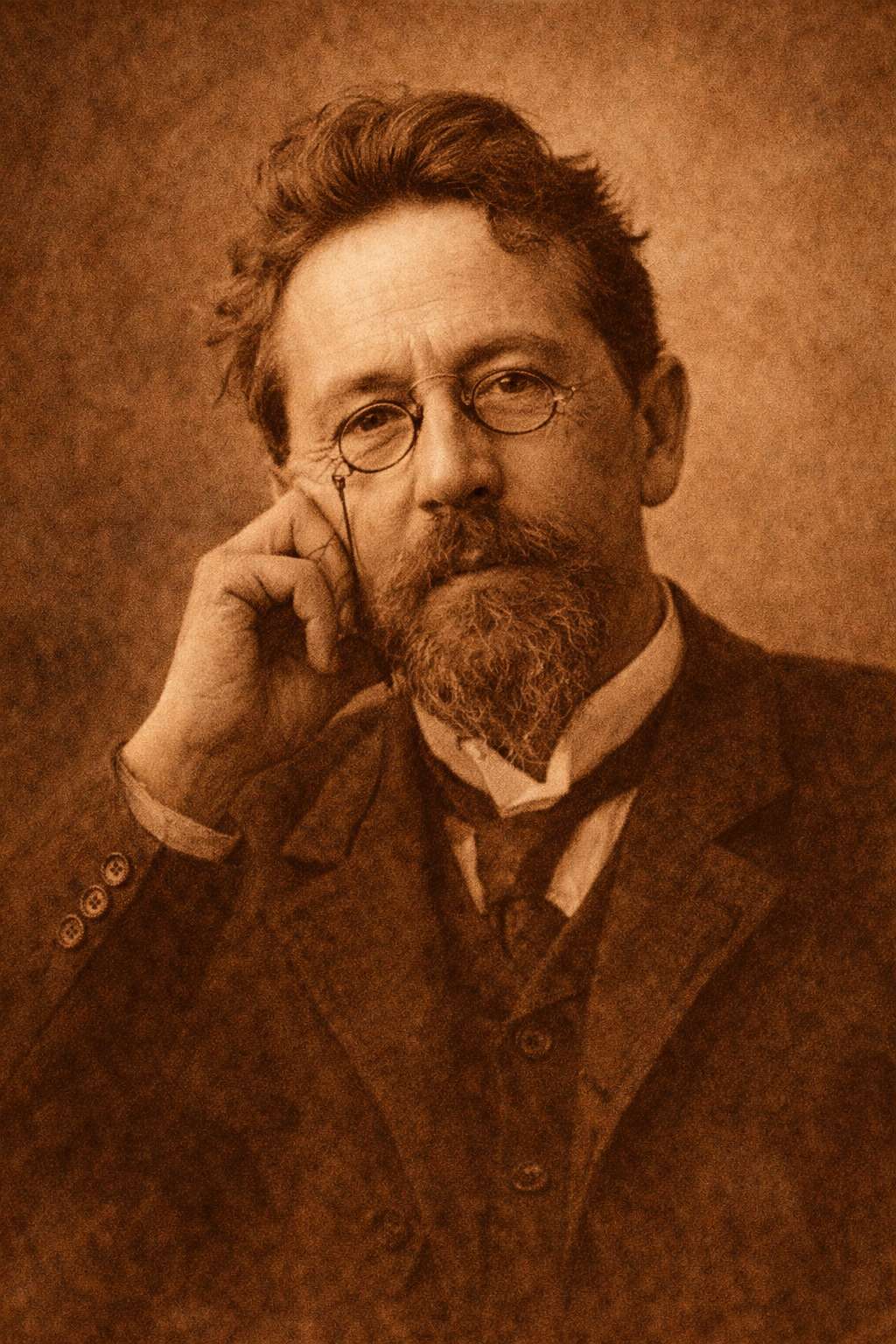
Anton Chekhov
Biography
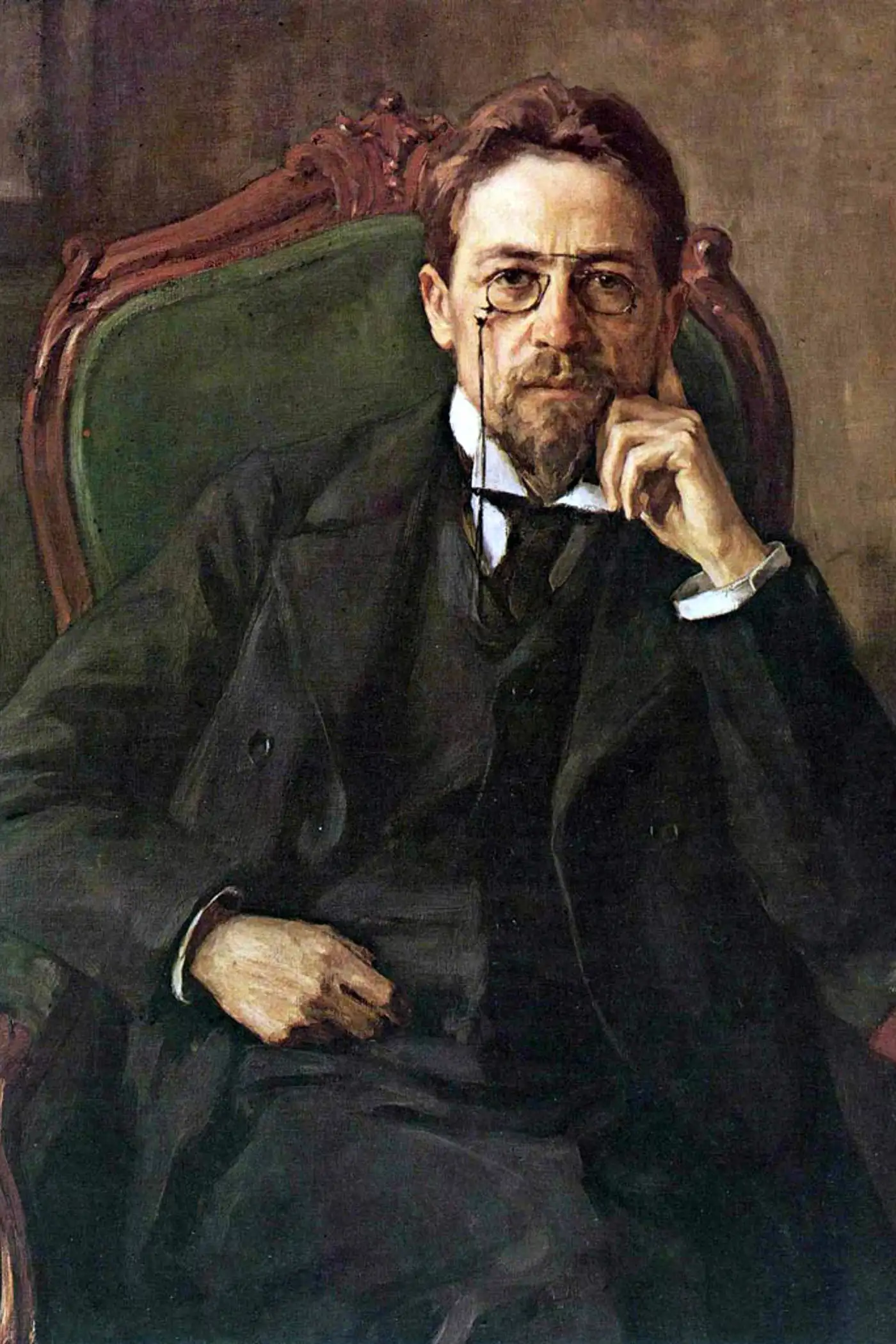
Anton Pavlovich Chekhov (1860–1904) was a Russian playwright and short story writer whose works transformed both literary forms in the late nineteenth and early twentieth centuries. Born in Taganrog, a port city on the Sea of Azov, Chekhov studied medicine at Moscow University and practiced as a physician intermittently throughout his life, famously remarking that medicine was his lawful wife and literature his mistress. Chekhov began writing humorous sketches and short stories for periodicals during his student years, gradually developing a distinctive narrative style characterized by economy of language, absence of moralization, and attentiveness to the textures of everyday life. His mature short fiction — including The Lady with the Dog (1899), The Steppe (1888), Ward No. 6 (1892), and A Dreary Story (1889) — rejected conventional plotting in favor of indirect action, subtext, and atmospheric detail. These innovations earned him recognition as a master of the modern short story form. In drama, Chekhov's four major plays — The Seagull (1896), Uncle Vanya (1899), Three Sisters (1901), and The Cherry Orchard (1904) — redefined theatrical convention by displacing external conflict with internal emotional states, ensemble characterization, and a fusion of comic and tragic registers that he termed his plays comedies despite their elegiac tone. His collaboration with director Konstantin Stanislavski at the Moscow Art Theatre established interpretive approaches that profoundly influenced twentieth-century acting and directing methods. Chekhov's dramaturgy pioneered the concept of subtext, where the most significant meanings reside beneath the spoken dialogue. His resistance to didacticism and his sympathetic portrayal of human indecision and longing created a dramatic idiom adopted by playwrights from Samuel Beckett to contemporary dramatists. Chekhov died of tuberculosis at the age of forty-four in Badenweiler, Germany.
Common themes in Anton Chekhov's work
Ordinary unhappiness
A recurring theme throughout Anton Chekhov's writing.
Unfulfilled lives
A recurring theme throughout Anton Chekhov's writing.
Russian provincial life
A recurring theme throughout Anton Chekhov's writing.
Subtext and atmosphere
A recurring theme throughout Anton Chekhov's writing.
Books
Explore by genre
Other authors you may enjoy
Why Anton Chekhov is still read today
Anton Chekhov (1860-1904) transformed both the short story and drama with his revolutionary approach to character, mood, and meaning. His stories, which dispense with conventional plot in favor of psychological nuance and open endings, established the modern short story form. His four major plays—"The Seagull," "Uncle Vanya," "Three Sisters," and "The Cherry Orchard"—created modern drama by emphasizing subtext, atmosphere, and the ordinary sadness of unfulfilled lives. Chekhov's influence on writers from Joyce to Carver and on theater from Stanislavski to contemporary drama cannot be overstated. A practicing physician, he brought clinical observation and humane compassion to his portraits of Russian life.
Frequently Asked Questions
Why is Chekhov considered revolutionary?
He transformed both the short story and drama by abandoning conventional plot for psychological nuance, atmosphere, and the indirect expression of emotion. His influence on later writers and theater practitioners is immeasurable.
What are Chekhov's major plays?
The four major plays are The Seagull (1896), Uncle Vanya (1899), Three Sisters (1901), and The Cherry Orchard (1904). Together they revolutionized drama and remain central to the theatrical repertoire.
Was Chekhov also a doctor?
Yes, he practiced medicine throughout his writing career, saying that medicine was his lawful wife and literature his mistress. His medical training informed his precise, clinical observation of human behavior.
What is Chekhov's influence on the short story?
He pioneered the plotless story focused on mood and character, with open endings that resist neat resolution. Every serious short story writer since—from Joyce to Carver to Munro—has worked in his shadow.
What did Chekhov die of?
Tuberculosis, which he had contracted as a young man. He died at 44 in Germany, having spent his last years in the warmer climate of Yalta. His illness informed his compassionate portrayal of suffering.
Essential cookies keep you signed in and save your reading progress. Analytics cookies help us understand how the site is used. You can reject analytics — we still work without them. Learn more in our Privacy Policy.