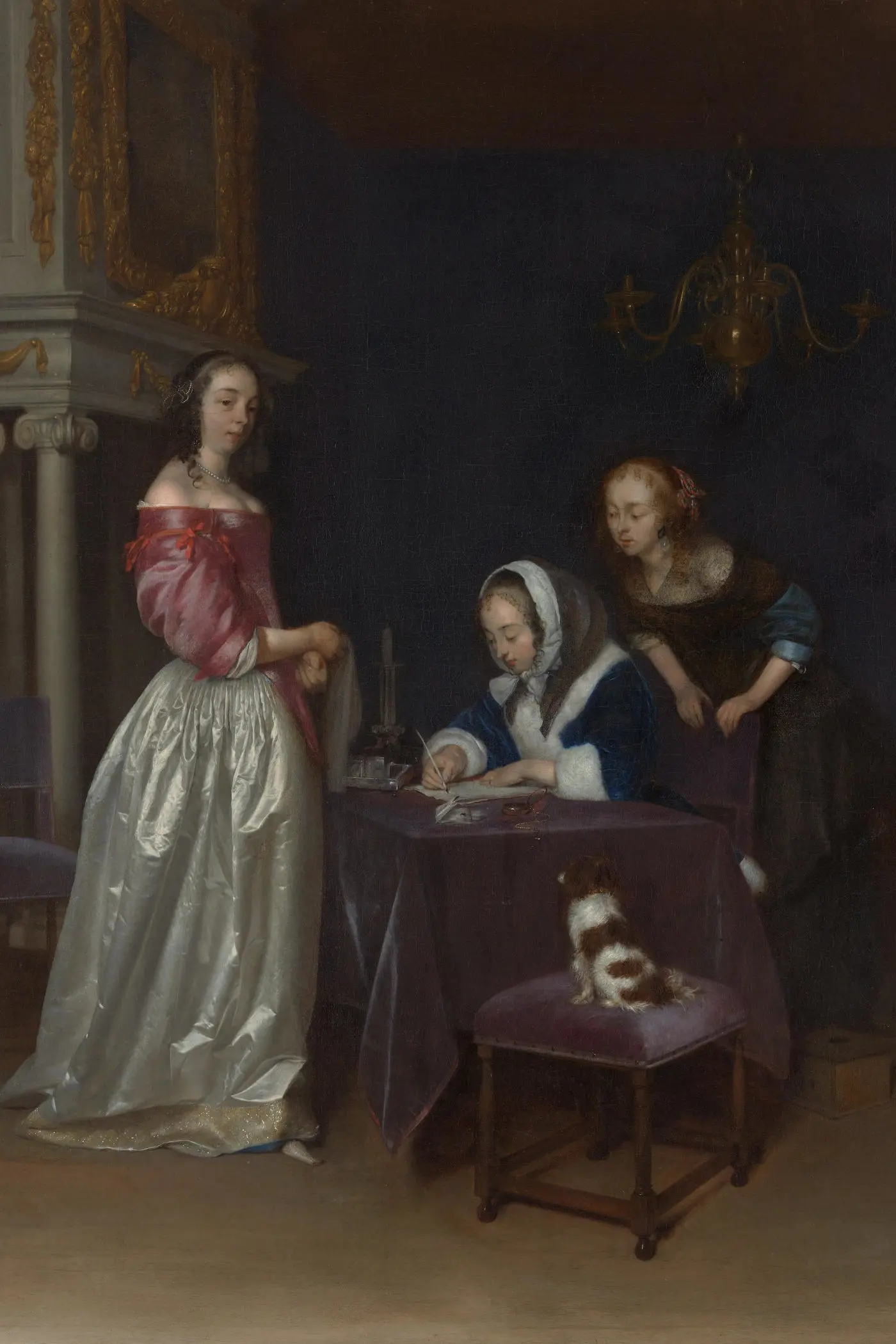
Three Sisters
What is Three Sisters about?
The sisters Olga, Masha, and Irina live with their brother Andrey in a provincial Russian town, and plan to return to Moscow, where they grew up, as soon as they’re able. Olga doesn’t want to continue working at the school where she’s a teacher and occasional headmaster; Masha is disillusioned in her marriage; Irina hopes to find her true love; and Andrey shows promise of becoming a professor. Also stationed in their town is a battery of soldiers that provide them with a social life. When Andrey falls in love with Natasha, their hopes for change are dashed, bit by bit. First performed in 1901 at the Moscow Art Theatre, Three Sisters is considered one of Chekhov’s best plays. While critical reception at the time was mixed, the show was popular enough to become a part of the company’s repertoire, and is still commonly staged and adapted today.
Main themes in Three Sisters
Unfulfilled dreams
The presence of unfulfilled dreams in Three Sisters connects readers to its enduring relevance.
Provincial entrapment
The theme of provincial entrapment weaves through Three Sisters, adding depth to its narrative.
Time passing
Three Sisters thoughtfully explores time passing through its central conflicts.
Moscow as symbol
The theme of moscow as symbol weaves through Three Sisters, adding depth to its narrative.
Why Three Sisters is still relevant today
Three Sisters (1901) follows Olga, Masha, and Irina Prozorov, trapped in a provincial town and dreaming of returning to Moscow. As years pass and circumstances worsen, their dream recedes further. Chekhov's most melancholy play explores how hope sustains and deceives us, how time erodes possibility, and how we find meaning despite life's disappointments.
More by this author
Frequently Asked Questions
What is Three Sisters about?
Three sisters—Olga, Masha, and Irina—live in a provincial town, dreaming of returning to Moscow where they grew up. Over four acts spanning years, their hopes fade as circumstances conspire against them.
What does Moscow represent?
Moscow symbolizes the meaningful life the sisters feel they have lost—culture, purpose, happiness. It becomes a repository for all their hopes, though whether it would satisfy them is doubtful.
Does anything dramatic happen?
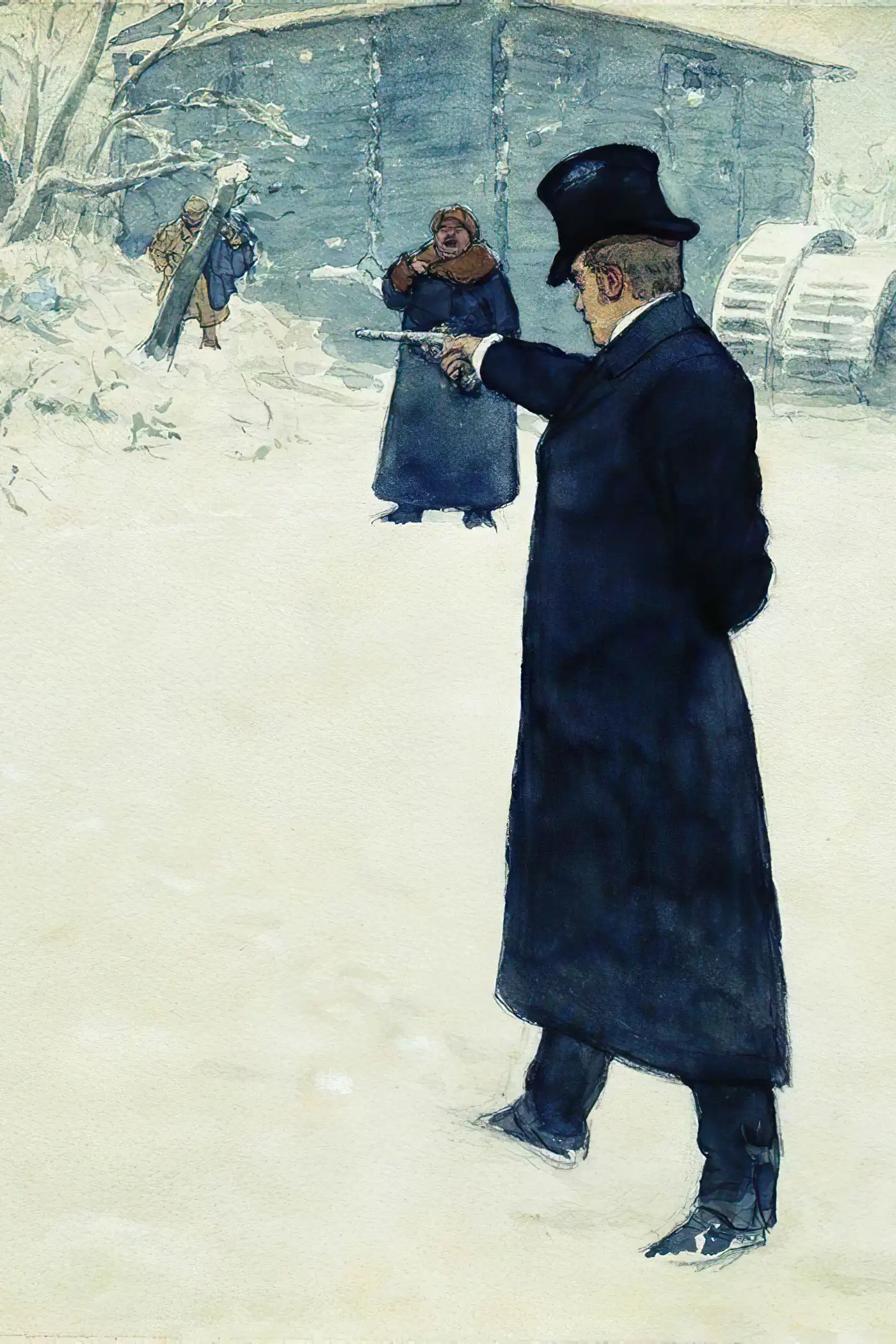
The army garrison leaves, a duel occurs, hearts break—but the real drama is internal: the slow erosion of hope, the accommodation to diminished expectations, the endurance despite disappointment.
Why is this play so moving?
Chekhov captures universal feelings of thwarted aspiration and passing time. We all have our Moscow—the life we meant to live. The sisters' dignity in facing disappointment resonates deeply.