Short Fiction
What is Short Fiction about?
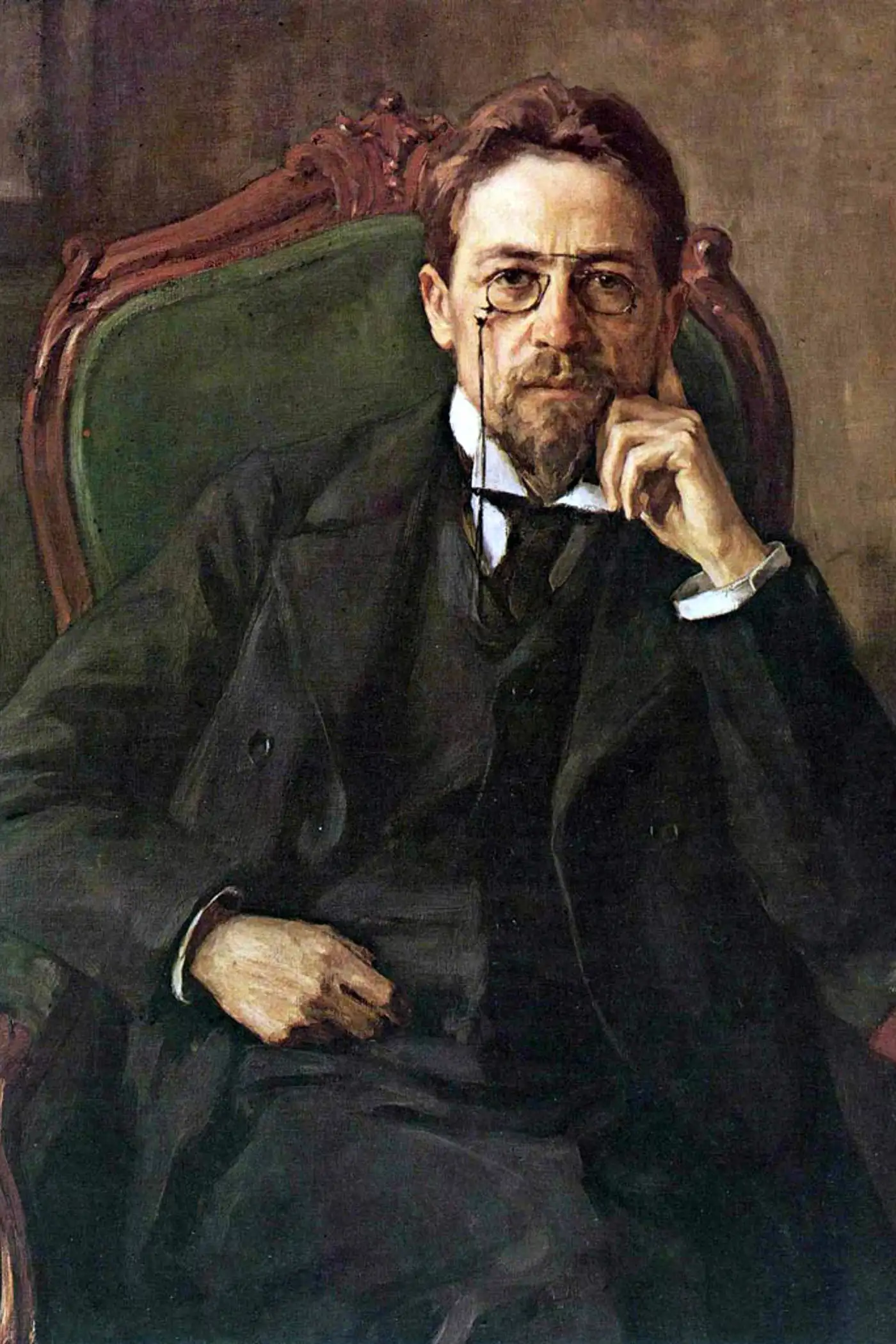
Anton Chekhov is widely considered to be one of the greatest short story writers in history. A physician by day, he’s famously quoted as saying, “Medicine is my lawful wife, and literature is my mistress.” Chekhov wrote nearly 300 short stories in his long writing career; while at first he wrote mainly to make a profit, as his interest in writing—and his skill—grew, he wrote stories that heavily influenced the modern development of the form. His stories are famous for, among other things, their ambiguous morality and their often inconclusive nature. Chekhov was a firm believer that the role of the artist was to correctly pose a question, but not necessarily to answer it. This collection contains all of his short stories and two novellas, all translated by Constance Garnett, and arranged by the date they were originally published.
Main themes in Short Fiction
Modern short story
The theme of modern short story weaves through Short Fiction, adding depth to its narrative.
Russian life
The theme of russian life weaves through Short Fiction, adding depth to its narrative.
Psychological depth
In Short Fiction, psychological depth provides a lens for understanding the story's core message.
Open endings
The presence of open endings in Short Fiction connects readers to its enduring relevance.
Why Short Fiction is still relevant today
Anton Chekhov's short stories revolutionized the form, replacing conventional plotting with psychological nuance, atmosphere, and open endings. Stories like "The Lady with the Dog," "The Darling," and "Ward No. 6" achieve depth that rivals novels while demonstrating Chekhov's compassionate observation of ordinary unhappiness. His influence on every major short story writer since—from Joyce to Carver to Munro—cannot be overstated.
More by this author
Frequently Asked Questions
What makes Chekhov's stories revolutionary?
He abandoned conventional plot for psychological nuance and atmosphere. His stories end without neat resolution, leaving readers to feel meaning rather than understand it intellectually. This approach shaped all subsequent short fiction.
What are Chekhov's best short stories?
The Lady with the Dog (adultery and unexpected love), The Darling (a woman who lives through others), Ward No. 6 (a doctor confined in his own asylum), Gooseberries (the moral cost of happiness)—though opinions vary on his vast output.
How many stories did Chekhov write?
He wrote hundreds, ranging from early comic sketches to the profound later masterpieces. The mature stories, roughly from 1888 onward, are those that established his revolutionary reputation.
How does Chekhov influence writers today?
His emphasis on what's left unsaid, his compassion without sentimentality, his plotless plots, and his open endings shaped Raymond Carver, Alice Munro, and countless others. Every serious short story writer works in his shadow.