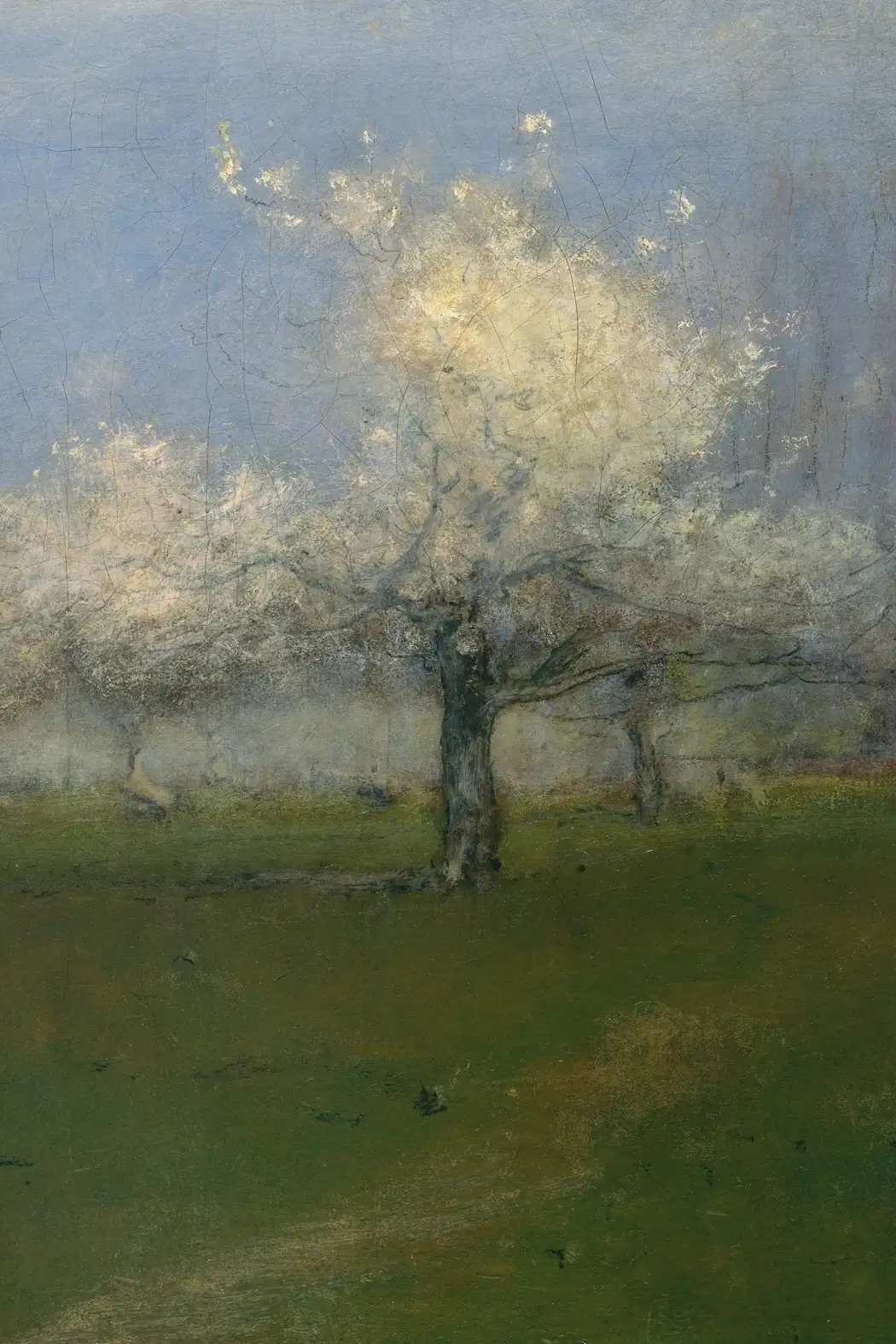
The Cherry Orchard
What is The Cherry Orchard about?
The Cherry Orchard is Chekhov’s final play. The plot revolves around a heavily indebted landowner, Madame Lyubov Andreyevna Ranevsky, and her brother, Leonid Andreyevitch Gaev, as they attempt to save their estate, and its large cherry orchard, from being auctioned off to pay the mortgage. Lopahin, a wealthy merchant who’s uncomfortable with his lower-class background, accompanies them, suggesting grand business plans to revive the estate. Lyubov Andreyevna’s daughters, Anya and Varya, work to keep things stable, while Lyubov Andreyevna’s oddball employees and other locals are caught up in their own personal concerns. The Cherry Orchard was written in 1903 and performed in 1904. The play dramatizes the massive social changes that were happening in Russia at the turn of the 20th century, like the rise of the middle class and the decline of aristocratic power. Chekhov called the play “A Comedy in Four Acts,” and with farcical and tragic elements woven throughout, it would today be called a tragicomedy. It’s widely considered a classic of 20th century theater.
Main themes in The Cherry Orchard
Social change
The theme of social change weaves through The Cherry Orchard, adding depth to its narrative.
Loss and nostalgia
Loss and nostalgia emerges as a defining element in The Cherry Orchard, shaping character development.
Russia in transition
The theme of russia in transition weaves through The Cherry Orchard, adding depth to its narrative.
Comedy and tragedy
The Cherry Orchard thoughtfully explores comedy and tragedy through its central conflicts.
Why The Cherry Orchard is still relevant today
The Cherry Orchard (1904) is Chekhov's final play and a landmark of modern drama. A aristocratic family must sell their beloved estate, including the cherry orchard, to a former serf whose family once worked the land. Chekhov called it a comedy, but directors often emphasize its elegy for a vanishing way of life. Its mixture of humor and sadness, its refusal of conventional dramatic action, revolutionized theater.
More by this author
Frequently Asked Questions
What is The Cherry Orchard about?
The Ranevsky family returns to their estate, which must be sold to pay debts. Lopakhin, a former serf's son now wealthy, suggests cutting down the cherry orchard for profitable development. The family cannot act, and the orchard is lost.
Is The Cherry Orchard a comedy or tragedy?
Chekhov insisted it was a comedy, but Stanislavski's original production emphasized pathos. Most productions find a mixture—the characters are foolish yet sympathetic, their loss funny yet genuinely sad.
What does the cherry orchard symbolize?
The orchard represents beauty, memory, the old aristocratic way of life, Russia itself. Its destruction for practical development symbolizes the triumph of commerce over beauty, the new over the old.
Why was this play revolutionary?
Nothing happens in the conventional sense—characters talk, fail to connect, miss their opportunities. Chekhov showed that drama could be made from ordinary unhappiness, influencing all modern theater.