Uncle Vanya
What is Uncle Vanya about?
Alexandr Valdimirovitch Serebryakov, an elderly professor, and his beautiful and much younger wife, Yelena Andreyevna, return from the city to their country estate, which once belonged to Serebryakov’s late first wife. The estate is managed by Serebryakov’s daughter, Sonya, and his brother-in-law, Ivan Petrovitch Voynitsky (the titular “Uncle Vanya”). Voynitsky’s friend, the country doctor Mihail Lvovitch Astrov, goes to and from the estate, and is bored with his life. Sonya has feelings for Astrov, while both Astrov and Voynitsky compete for the affections of Yelena. Voynitsky, nearing middle age, feels life has passed him by, and deeply resents Serebryakov, believing that the management of the estate has thwarted his ambitions for his life. As the play progresses, these simmering resentments soon boil over. Chekhov first published Uncle Vanya in 1897, and it was first performed in 1899 in Moscow. It’s a heavily reworked version of The Wood Demon , a play Chekhov wrote a decade earlier. Uncle Vanya is one of Chekhov’s most highly regarded plays, and is still regularly performed in theaters throughout the world.
Main themes in Uncle Vanya
Wasted lives
Wasted lives emerges as a defining element in Uncle Vanya, shaping character development.
Provincial boredom
The presence of provincial boredom in Uncle Vanya connects readers to its enduring relevance.
Unfulfilled love
In Uncle Vanya, unfulfilled love provides a lens for understanding the story's core message.
Work and meaning
Work and meaning emerges as a defining element in Uncle Vanya, shaping character development.
Why Uncle Vanya is still relevant today
Uncle Vanya (1899) is Chekhov's devastating portrait of wasted lives in provincial Russia. Vanya has sacrificed his life managing an estate for his brother-in-law, a professor he now sees as a fraud. The arrival of the professor and his young wife crystallizes years of frustration into potential violence. Chekhov's exploration of regret, unfulfilled longing, and the courage to continue living despite despair makes it one of the most moving plays ever written.
More by this author
Frequently Asked Questions
What is Uncle Vanya about?
Vanya has managed his late sister's estate for years, supporting her husband Professor Serebryakov. When Serebryakov proposes selling the estate, Vanya's accumulated resentment explodes—but life must somehow continue afterward.
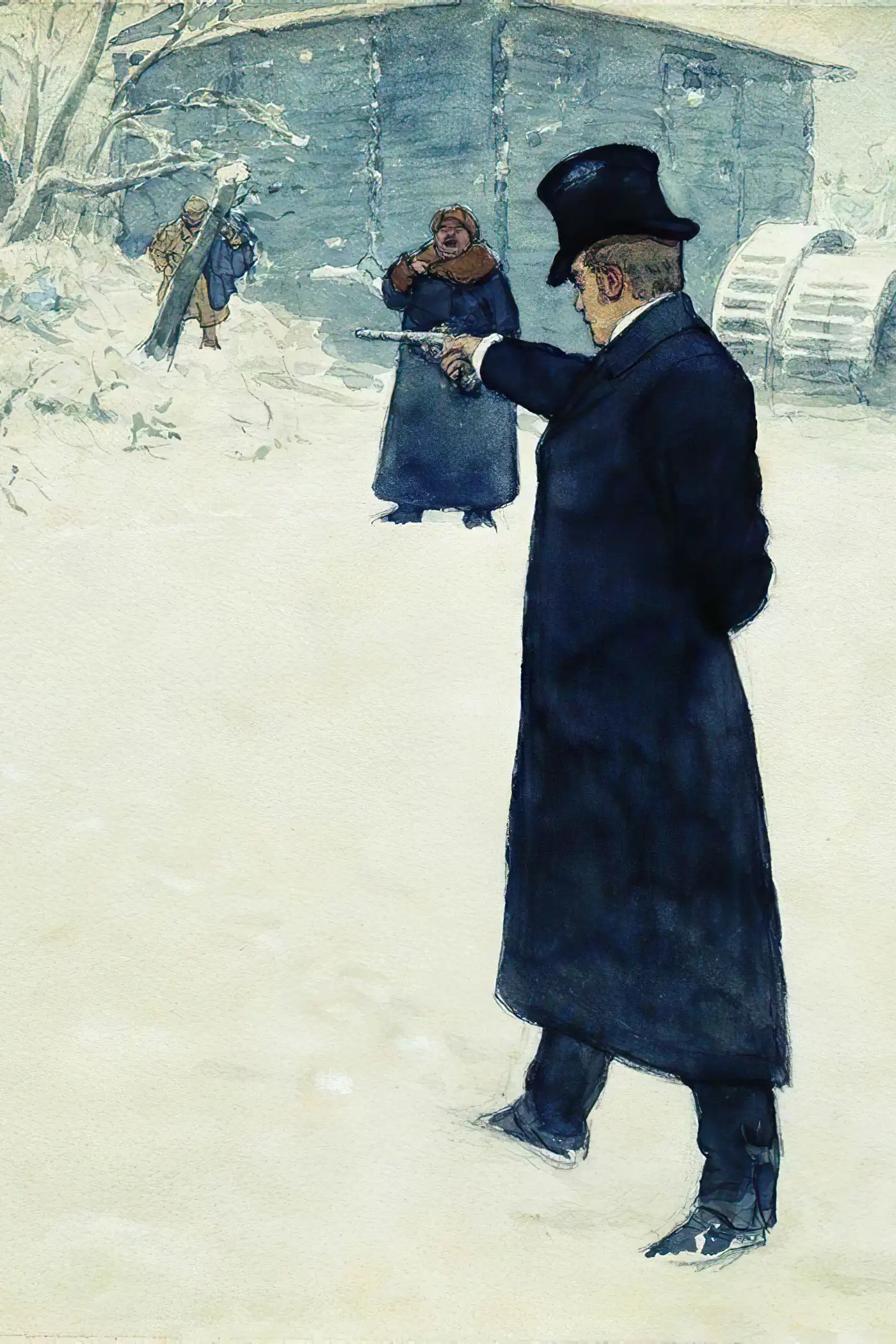
Why does Vanya try to shoot Serebryakov?
Years of sacrifice for a man Vanya now sees as mediocre and ungrateful, combined with unrequited love for the professor's young wife, drive Vanya to violence. Characteristically, he misses.
Who is Sonya?
Vanya's niece, plain and devoted, who loves Dr. Astrov hopelessly. Her final speech about working and waiting for rest in heaven is one of the most moving in all drama.
What makes Uncle Vanya so powerful?
Its portrait of people who realize too late that they have wasted their lives, yet must find a way to continue living. Chekhov offers no false comfort—only the dignity of endurance.