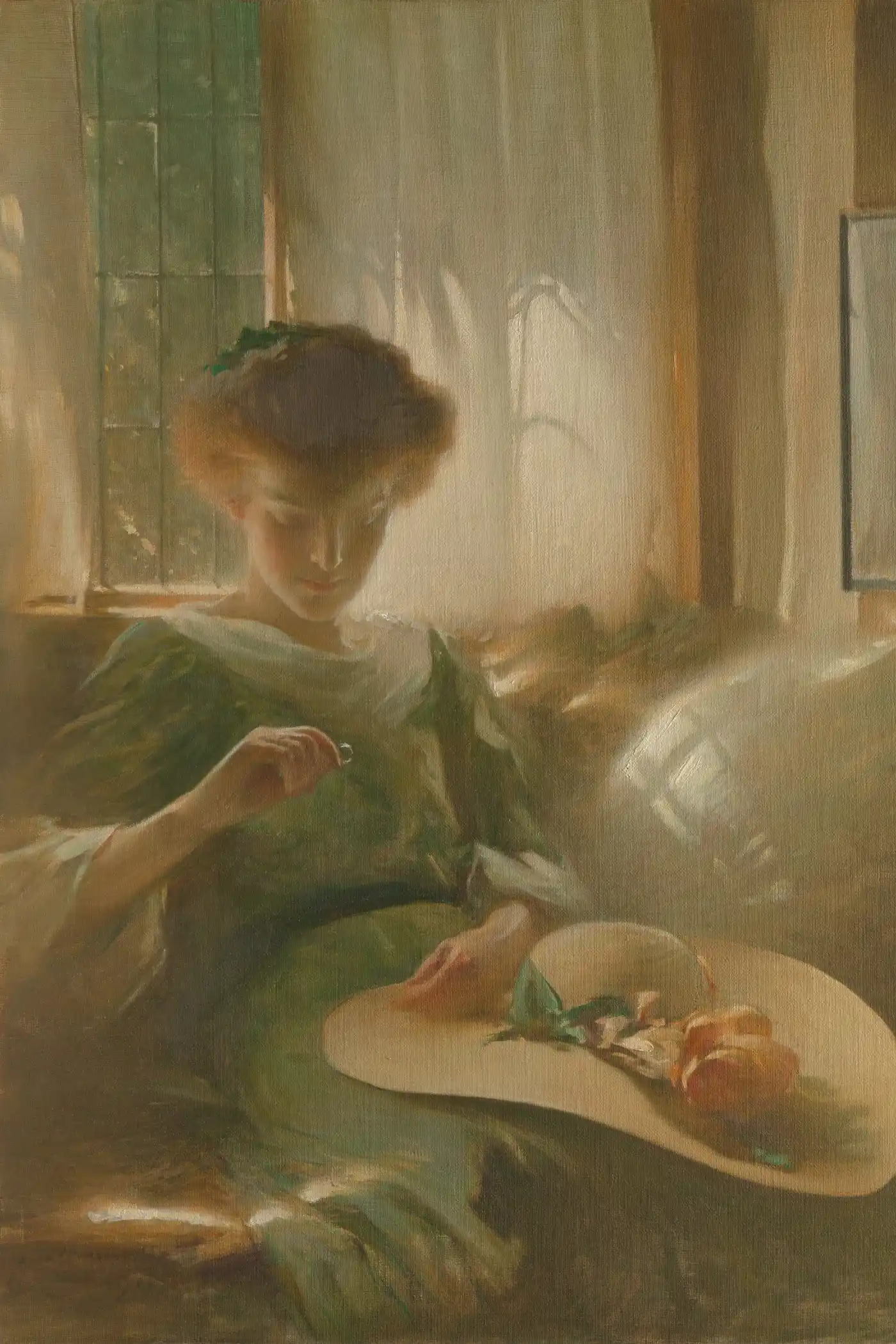
All’s Well That Ends Well
What is All’s Well That Ends Well about?
All’s Well That Ends Well was not popular during Shakespeare’s time, and is still considered to be a play without renown even today. It’s also one of the three “problem plays,” in that it deals with controversial social issues. Although it remains unloved by the public, productions have featured star-studded casts, including actresses like Dame Judi Dench and Claudie Blakley. Helena, daughter of a skilled doctor and adopted child of the Countess of Rousillon, is in love with Bertram, the Countess’s son. Helena cures the King of France and is rewarded with a husband of her choice, so she selects Bertram. He contests the legitimacy of their marriage, and insists on demanding that she complete two tasks before he can consider their marriage legitimate: She must wear his family ring, and provide him an heir. This Standard Ebooks edition is based on William George Clark and William Aldis Wright’s 1887 Victoria edition, which is taken from the Globe edition.
Main themes in All’s Well That Ends Well
Class and merit
In All’s Well That Ends Well, class and merit provides a lens for understanding the story's core message.
Love and persistence
The theme of love and persistence weaves through All’s Well That Ends Well, adding depth to its narrative.
Honor and virtue
The presence of honor and virtue in All’s Well That Ends Well connects readers to its enduring relevance.
Age and youth
All’s Well That Ends Well thoughtfully explores age and youth through its central conflicts.
Why All’s Well That Ends Well is still relevant today
All's Well That Ends Well features one of Shakespeare's most determined heroines in Helena, who pursues the reluctant Bertram despite his rejection. The play's exploration of class, gender, and unwilling marriage raises questions modern audiences find compelling. Whether the ending represents genuine reconciliation or uncomfortable compromise makes this "problem play" increasingly relevant.
More by this author

Frequently Asked Questions
What is All's Well That Ends Well about?
Helena, a physician's daughter, cures the King of France and requests nobleman Bertram as her reward. Bertram flees the marriage, setting conditions he thinks impossible. Helena fulfills them through the "bed trick," and Bertram finally accepts her.
Is All's Well That Ends Well a comedy?
The play is classed as comedy because it ends in reconciled marriage, but Bertram's unwillingness and Helena's deception create unease. It's often called a "problem play" because its ending feels forced rather than joyful.
What is the bed trick in All's Well?
Helena secretly takes the place of Diana, whom Bertram is trying to seduce, thus becoming pregnant by her own husband while fulfilling his impossible conditions. This device appears in several Shakespeare plays but feels particularly troubling here.
Is Bertram a sympathetic character?
Bertram is difficult to like: he rejects Helena, lies, attempts seduction, and only accepts his wife when cornered. Some productions emphasize his youth and mother's dominance; others accept him as genuinely unworthy of Helena.