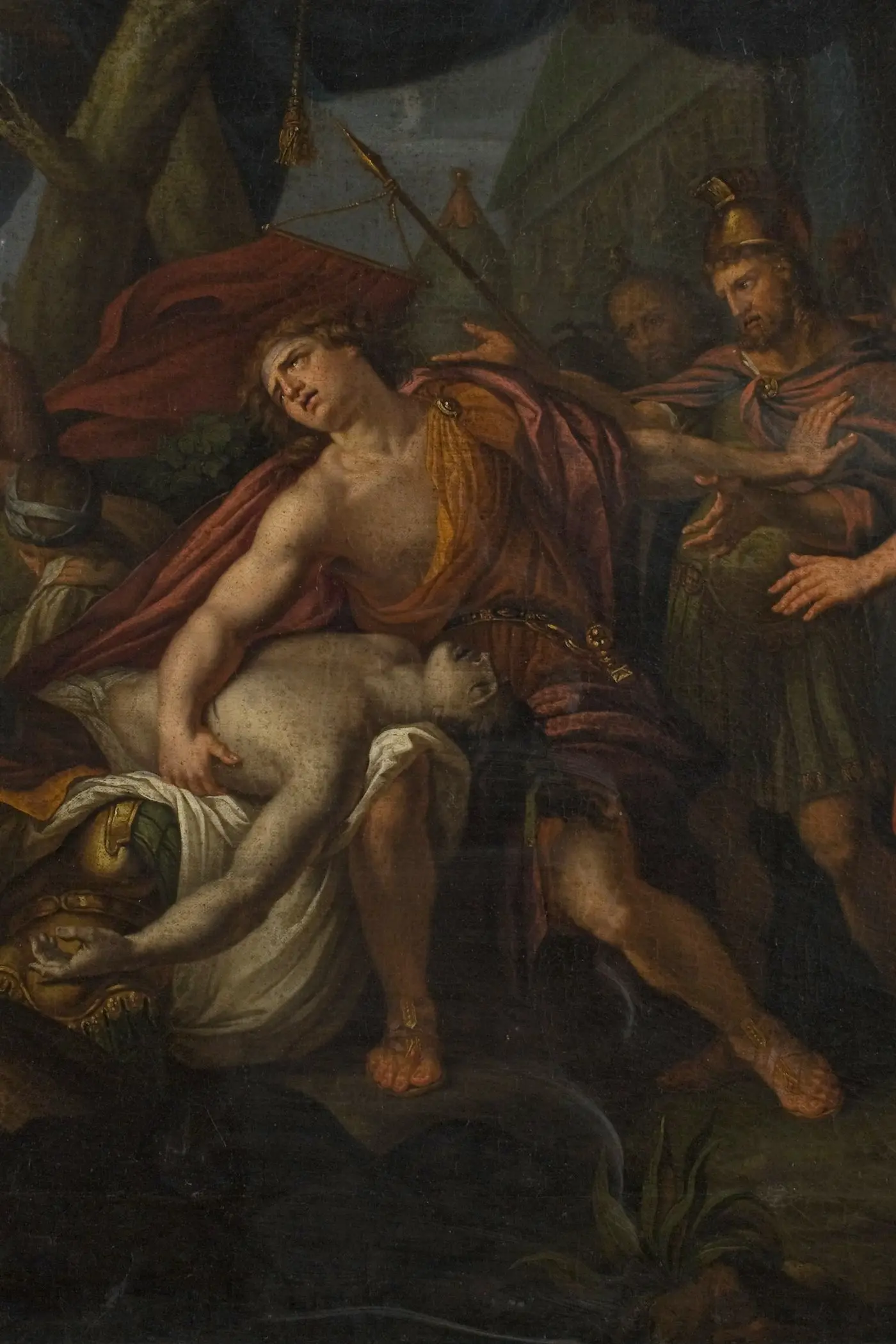
Troilus and Cressida
What is Troilus and Cressida about?
Troilus and Cressida is one of William Shakespeare’s so-called “problem plays,” blending elements of comedy, romance, and tragedy into a sharply ironic portrayal of love and war. Set during the later years of the Trojan War, the play juxtaposes heroic ideals with moral ambiguity and human weakness. Against the backdrop of the conflict between the Greeks and Trojans, the story follows Troilus, a young Trojan prince deeply in love with Cressida. While legendary warriors debate honor, pride, and strategy, Troilus’s private devotion stands in tension with the brutal realities of war. As political decisions and shifting alliances intervene, personal loyalty and romantic idealism begin to erode. Drawing on classical myth and medieval romance, the play offers a cynical examination of heroism, desire, and reputation. With its shifting tone and unresolved tensions, Troilus and Cressida challenges traditional expectations of tragedy and comedy, making it one of Shakespeare’s most complex and provocative works.
Main themes in Troilus and Cressida
War and futility
Troilus and Cressida thoughtfully explores war and futility through its central conflicts.
Love and betrayal
Troilus and Cressida thoughtfully explores love and betrayal through its central conflicts.
Honor and hypocrisy
The theme of honor and hypocrisy weaves through Troilus and Cressida, adding depth to its narrative.
Time and value
The theme of time and value weaves through Troilus and Cressida, adding depth to its narrative.
Why Troilus and Cressida is still relevant today
Troilus and Cressida is Shakespeare's most cynical play, depicting the Trojan War as meaningless slaughter and its heroes as vain, lecherous, or brutal. Neither love nor honor survives its satiric examination. The play's bitter modernity—its distrust of heroic narratives and romantic ideals—has made it increasingly valued in the post-World War era, though it was neglected for centuries.
More by this author
Frequently Asked Questions
What is Troilus and Cressida about?
Set during the Trojan War, the play follows Trojan prince Troilus's love for Cressida, who is traded to the Greeks and soon unfaithful. Meanwhile, Greek and Trojan warriors debate continuing a pointless war while behaving dishonorably.
Is Troilus and Cressida a comedy or tragedy?
The play defies classification—not tragic enough for tragedy, too bitter for comedy. It's often called a "problem play" or "dark comedy." The lack of resolution (the war continues, love fails, nothing is learned) adds to its modern, existential quality.
Why is Troilus and Cressida so cynical?
The play systematically deflates heroic ideals. Achilles is petulant and cowardly, Ajax is stupid, Helen isn't worth the war, and love proves false. Whether this reflects Shakespeare's mood, satiric intention, or commentary on contemporary politics is debated.
How does Troilus and Cressida portray the Trojan War?
Unlike noble treatments of the war, Shakespeare shows it as futile and its heroes as flawed. Greeks and Trojans alike are vain, foolish, or brutal. The play suggests that the grand narratives of war and romance are dangerous illusions.