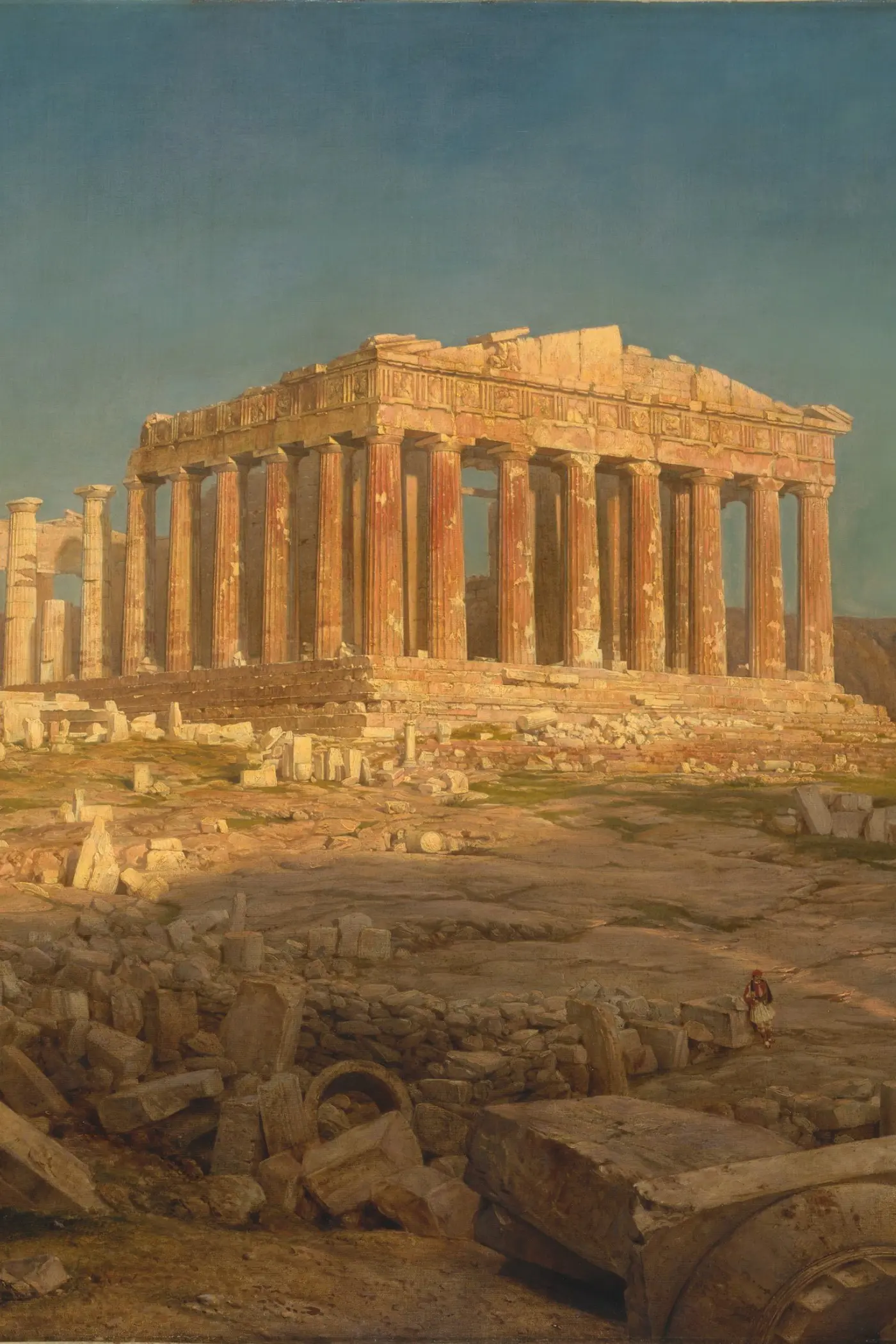
Timon of Athens
What is Timon of Athens about?
Timon of Athens is a tragic drama by William Shakespeare that explores generosity, betrayal, and the corrosive effects of wealth and ingratitude. Set in ancient Athens, the play follows Lord Timon, a man celebrated for his boundless generosity and hospitality, who gives freely to friends, artists, and followers without regard for his own fortune. When Timon’s wealth is exhausted, those who once praised him abandon him, revealing the shallow foundations of their loyalty. Disillusioned and embittered, Timon withdraws from society, transforming from a generous patron into a fierce critic of human hypocrisy. Through this descent, the play examines themes of friendship, power, money, and moral corruption. Often considered one of Shakespeare’s most unconventional works, Timon of Athens stands out for its bleak tone and fragmented structure. Whether unfinished or intentionally stark, the play offers a sharp and unsettling critique of social dependency and material excess, making it a compelling and thought-provoking tragedy.
Main themes in Timon of Athens
Wealth and friendship
The presence of wealth and friendship in Timon of Athens connects readers to its enduring relevance.
Generosity and ingratitude
In Timon of Athens, generosity and ingratitude provides a lens for understanding the story's core message.
Misanthropy and isolation
Timon of Athens thoughtfully explores misanthropy and isolation through its central conflicts.
True versus false friends
The presence of true versus false friends in Timon of Athens connects readers to its enduring relevance.
Why Timon of Athens is still relevant today
Timon of Athens examines wealth, generosity, and ingratitude with savage intensity. Timon's transformation from extravagant philanthropist to bitter misanthrope speaks to societies driven by financial relationships. The play's incomplete state—possibly unfinished or collaboratively drafted—has not prevented modern productions from finding powerful relevance in its critique of money's corrosive effects on human bonds.
More by this author

Frequently Asked Questions
What is Timon of Athens about?
Wealthy Timon gives lavish gifts to friends and artists until bankruptcy reveals their ingratitude—none will help him. He retreats to a cave, cursing humanity, and dies in bitter isolation. A parallel plot follows the soldier Alcibiades' revenge on ungrateful Athens.
Is Timon of Athens unfinished?
The play shows signs of incompleteness: inconsistent character names, unresolved plot threads, and variations in verse quality. Most scholars believe Shakespeare collaborated with Thomas Middleton and that the play was never fully polished for performance.
What is Timon's tragic flaw?
Timon's excessive generosity lacks judgment—he cannot distinguish true friends from flatterers. His transformation to absolute misanthropy shows the same extremism. He never finds middle ground between naive trust and total rejection of humanity.
What is the moral of Timon of Athens?
The play critiques both Timon's reckless generosity and his friends' mercenary ingratitude. It suggests that relationships based on money cannot sustain genuine bonds. Whether meaningful connection is possible in a commercial society remains an open question.