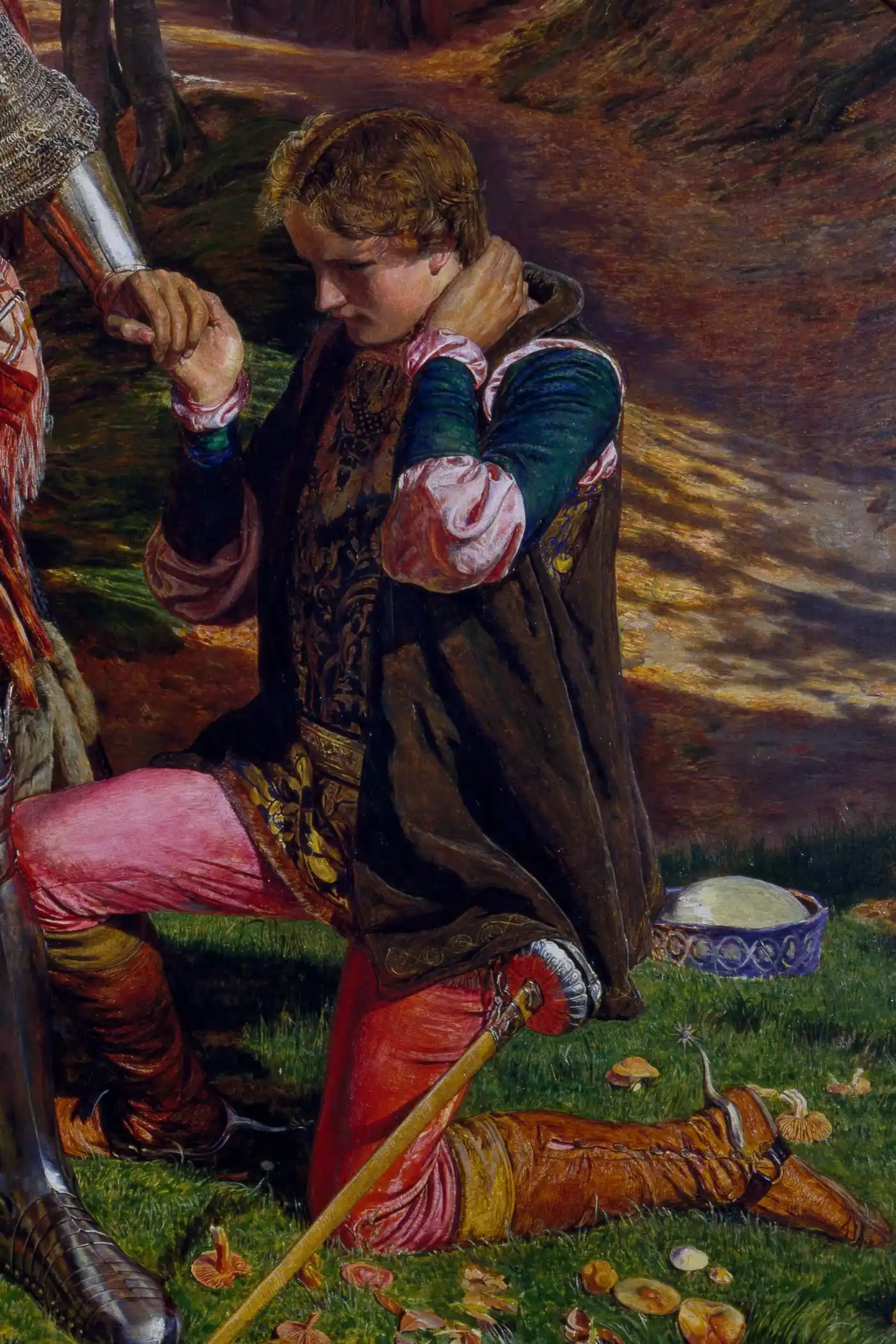
The Two Gentlemen of Verona
What is The Two Gentlemen of Verona about?
The Two Gentlemen of Verona is an early romantic comedy by William Shakespeare that explores friendship, love, and betrayal. The play follows two close friends, Proteus and Valentine, whose bond is tested when ambition and romantic desire pull them in different directions. As Valentine travels to Milan in search of experience and opportunity, Proteus remains behind, devoted to his beloved Julia. When Proteus later joins Valentine at court, loyalty gives way to sudden infatuation, and his pursuit of the same woman threatens to undo their friendship. Disguises, misunderstandings, and shifting affections drive the action as the characters struggle to reconcile love with honor. Often noted for introducing themes that recur throughout Shakespeare’s later works, the play examines the fragility of trust and the consequences of impulsive desire. Lighthearted yet morally complex, The Two Gentlemen of Verona offers an engaging reflection on youth, constancy, and the challenges of remaining true to oneself and others.
Main themes in The Two Gentlemen of Verona
Friendship versus love
The Two Gentlemen of Verona thoughtfully explores friendship versus love through its central conflicts.
Constancy and betrayal
The presence of constancy and betrayal in The Two Gentlemen of Verona connects readers to its enduring relevance.
Disguise and identity
The presence of disguise and identity in The Two Gentlemen of Verona connects readers to its enduring relevance.
Courtly love ideals
In The Two Gentlemen of Verona, courtly love ideals provides a lens for understanding the story's core message.
Why The Two Gentlemen of Verona is still relevant today
The Two Gentlemen of Verona is likely Shakespeare's earliest comedy, establishing patterns he would refine: female disguise, forest retreat, and love's transformative power. Proteus's betrayal of friendship for love and his attempted rape of Silvia create problems the hasty ending doesn't resolve. The play interests scholars as Shakespeare's first exploration of romantic comedy conventions.
More by this author
Frequently Asked Questions
What is The Two Gentlemen of Verona about?
Best friends Valentine and Proteus love different women until Proteus sees Valentine's Silvia and betrays both friend and his own Julia to pursue her. Julia follows disguised as a boy. After Proteus's assault on Silvia is thwarted, all is hastily forgiven.
Is Two Gentlemen Shakespeare's first play?
Two Gentlemen is among Shakespeare's earliest comedies, probably 1589-1593. Its simpler construction and problematic ending suggest an apprentice work, though it already shows his gift for comic servants and romantic situations.
Why is the ending of Two Gentlemen controversial?
Valentine forgives Proteus immediately after he attempts to rape Silvia, even offering her to Proteus as a gift. This troubling resolution has prompted modern productions to ironize or rework the ending.
Who is Launce in Two Gentlemen of Verona?
Launce, Proteus's servant, provides comic relief with monologues about his dog Crab. His scenes, though detachable from the plot, showcase Shakespeare's early skill with comic prose and may have been expanded for performance.