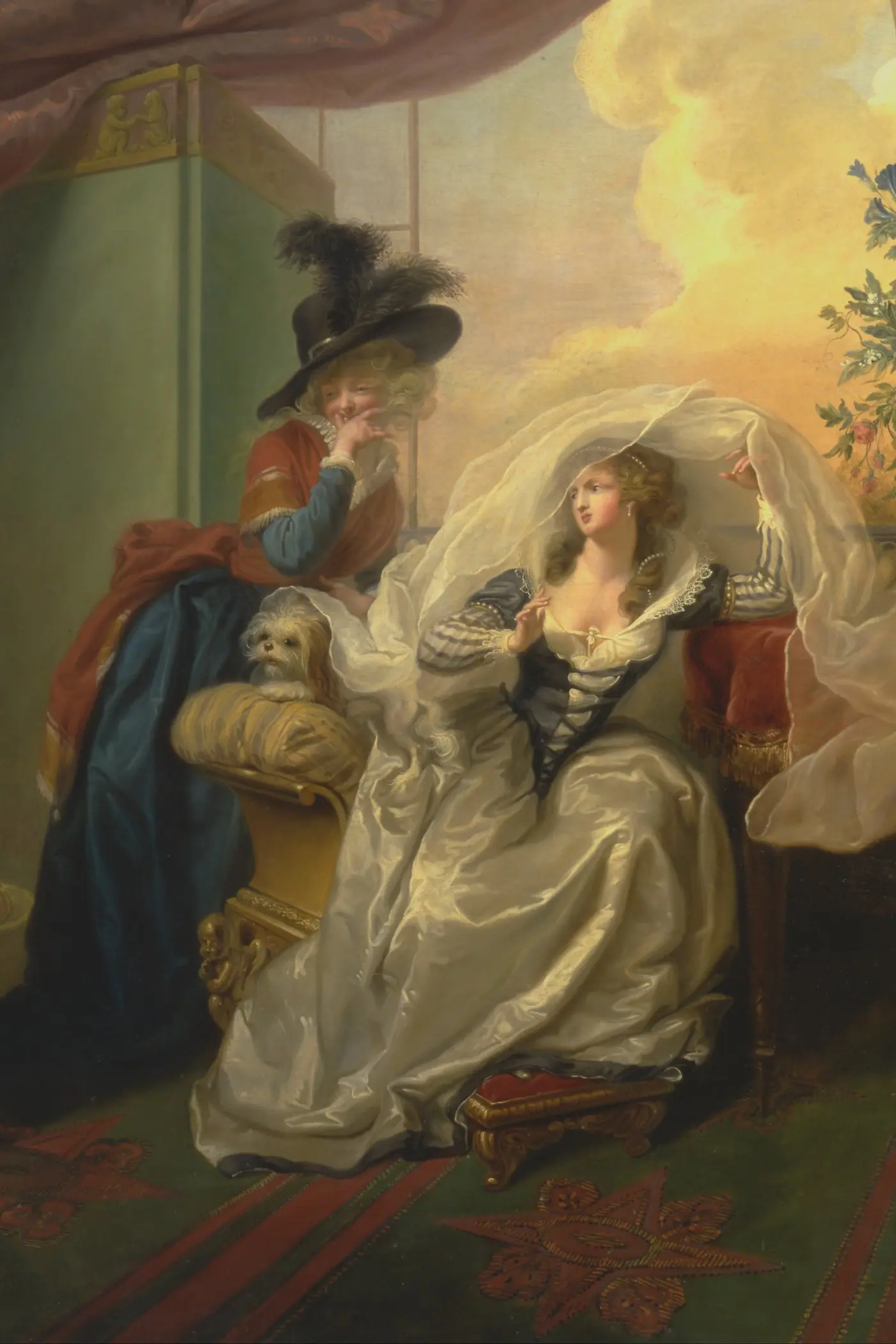
Twelfth Night
What is Twelfth Night about?
Twelfth Night is a romantic comedy by William Shakespeare that celebrates love, disguise, and mistaken identity. After a shipwreck on the coast of Illyria, Viola believes her twin brother Sebastian has drowned and disguises herself as a young man named Cesario to serve Duke Orsino. As Viola moves between Orsino and the Countess Olivia, a complex web of affection and misunderstanding unfolds. Orsino sends Cesario to court Olivia on his behalf, while Olivia unexpectedly falls in love with Cesario, unaware of Viola’s true identity. Meanwhile, Viola herself develops feelings for Orsino, deepening the emotional tension. Through wit, humor, and dramatic irony, the play explores themes of identity, desire, and self-discovery. With its joyful resolution and richly comic characters, Twelfth Night remains one of Shakespeare’s most beloved comedies and a timeless reflection on the transformative power of love.
Main themes in Twelfth Night
Love and desire
The theme of love and desire weaves through Twelfth Night, adding depth to its narrative.
Gender and identity
The presence of gender and identity in Twelfth Night connects readers to its enduring relevance.
Deception and disguise
In Twelfth Night, deception and disguise provides a lens for understanding the story's core message.
Madness and folly
Twelfth Night thoughtfully explores madness and folly through its central conflicts.
Why Twelfth Night is still relevant today
Twelfth Night is Shakespeare's most beloved romantic comedy, exploring gender, identity, and the delightful chaos of desire. Viola's cross-dressing creates a love triangle that questions assumptions about attraction and identity. The play's combination of romantic yearning, comic foolery, and bittersweet music has made it enduringly popular, with productions exploring its surprisingly modern perspectives on gender fluidity.
More by this author
Frequently Asked Questions
What is Twelfth Night about?
Shipwrecked Viola disguises herself as a boy to serve Duke Orsino, whom she loves. Orsino sends her to woo Olivia, who falls for the disguised Viola. The arrival of Viola's twin Sebastian creates confusion before identities are revealed and couples pair off.
Why is it called Twelfth Night?
Twelfth Night refers to the feast of Epiphany, twelve days after Christmas, traditionally a time of festive misrule and role reversal. The title suits a play about disguise, foolery, and the temporary suspension of normal order.
Who is Malvolio in Twelfth Night?
Malvolio is Olivia's puritanical steward, tricked into believing she loves him. He appears in yellow stockings, cross-gartered, behaving absurdly. His humiliation provides comedy but his final promise of revenge adds a darker note.
Is Twelfth Night a comedy?
Twelfth Night is a romantic comedy ending in marriages, but contains melancholy and cruelty. Malvolio's treatment is harsh, Feste's songs are bittersweet, and the play acknowledges love's pain alongside its joy.