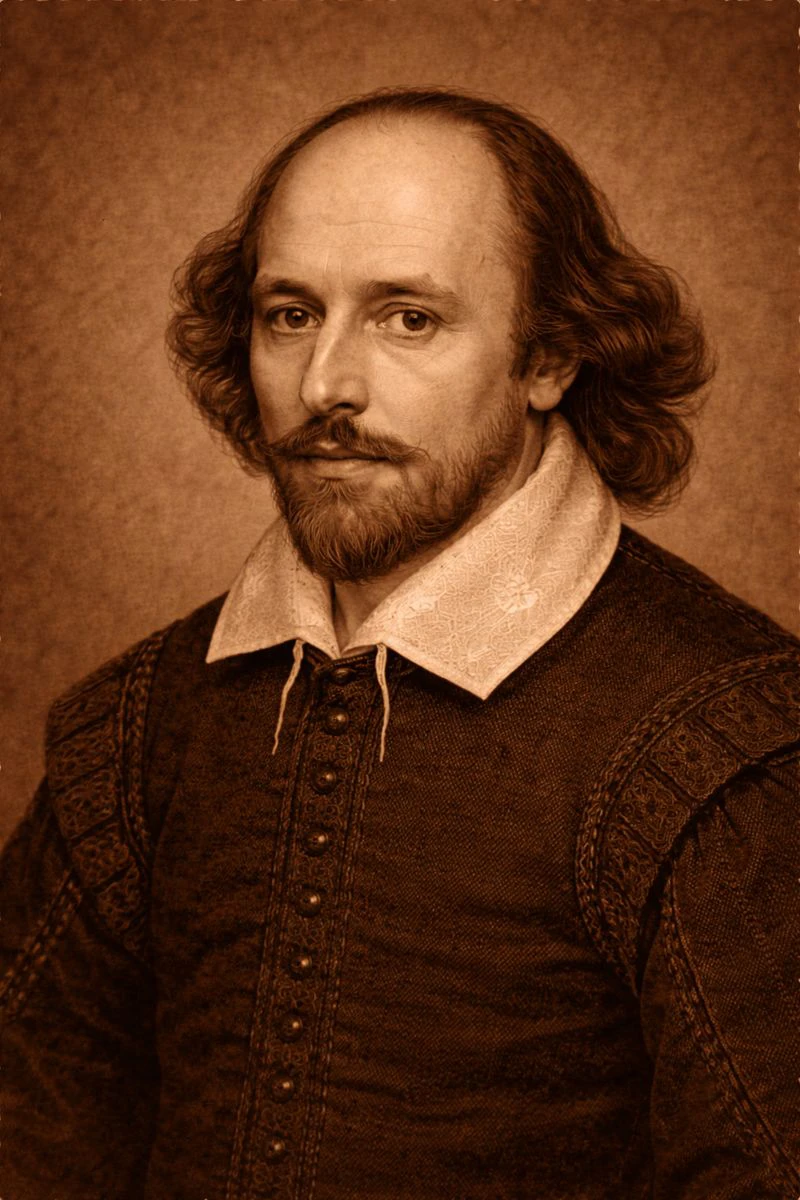
William Shakespeare
Biography
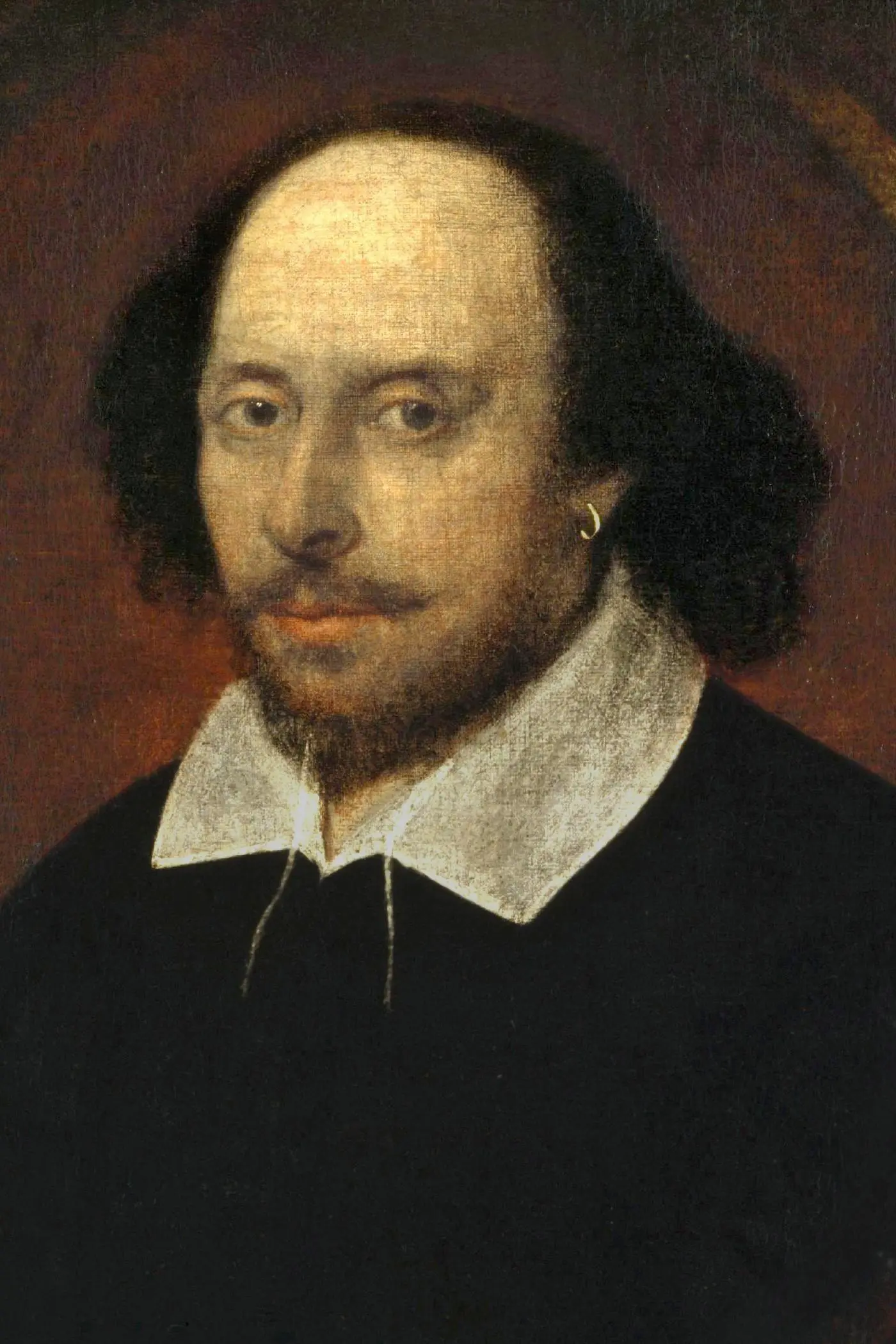
William Shakespeare was an English playwright, poet, and actor widely regarded as the greatest writer in the English language and one of the most influential figures in world literature. Born in 1564 in Stratford-upon-Avon, he wrote during the late Elizabethan and early Jacobean periods, producing works that continue to shape drama and storytelling centuries later. Shakespeare’s plays span tragedy, comedy, history, and romance, exploring timeless themes such as love, power, ambition, betrayal, identity, and the nature of humanity. Works like Hamlet, Macbeth, Romeo and Juliet, and King Lear are celebrated for their complex characters, poetic language, and psychological insight. In addition to his plays, Shakespeare’s sonnets and narrative poems display remarkable emotional range and technical mastery. His language has profoundly influenced modern English, and his works remain central to education, theatre, and cultural life around the world.
Common themes in William Shakespeare's work
Ambition and power
A recurring theme throughout William Shakespeare's writing.
Love and jealousy
A recurring theme throughout William Shakespeare's writing.
Appearance versus reality
A recurring theme throughout William Shakespeare's writing.
Fate and free will
A recurring theme throughout William Shakespeare's writing.
Books
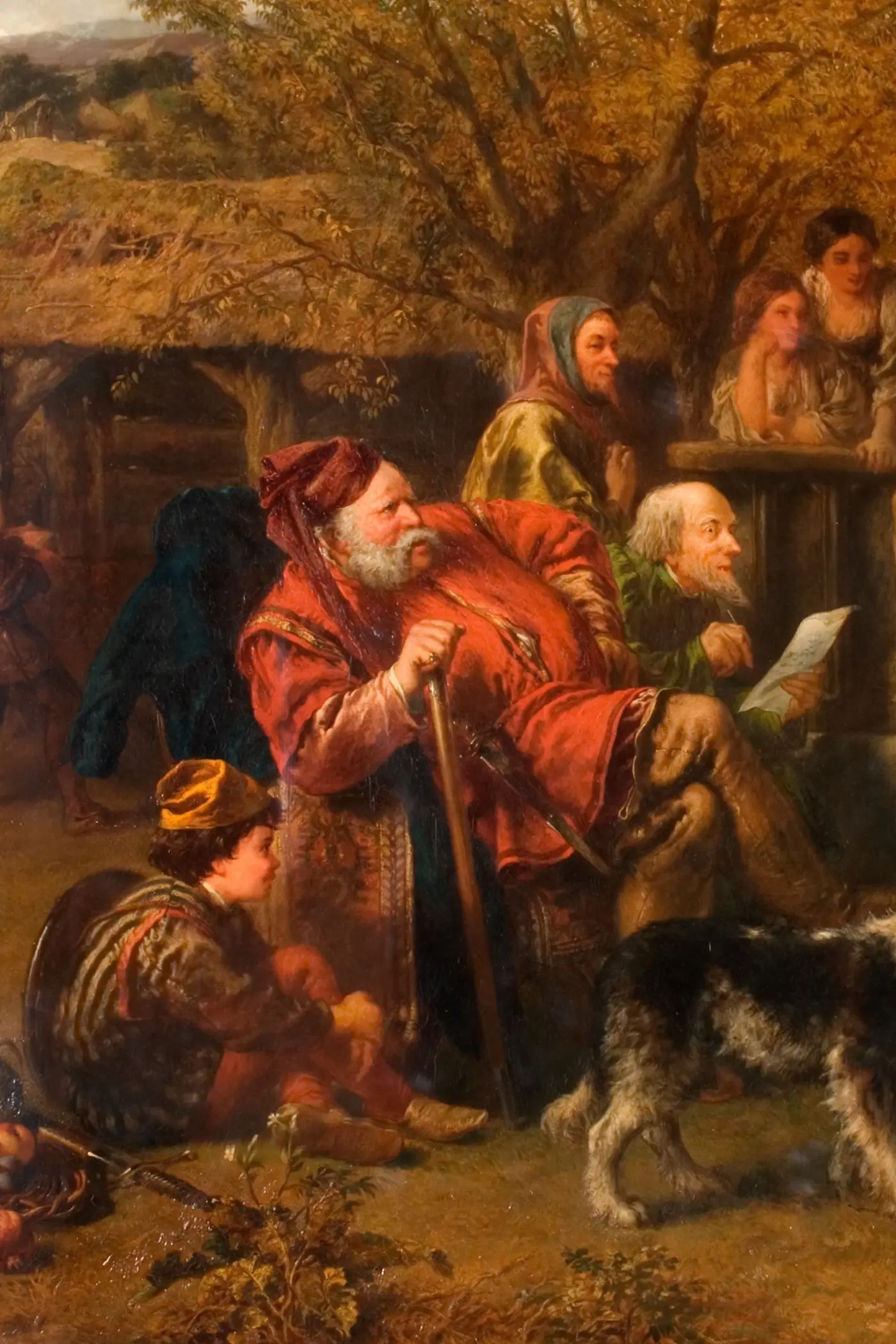
Henry IV, Part II
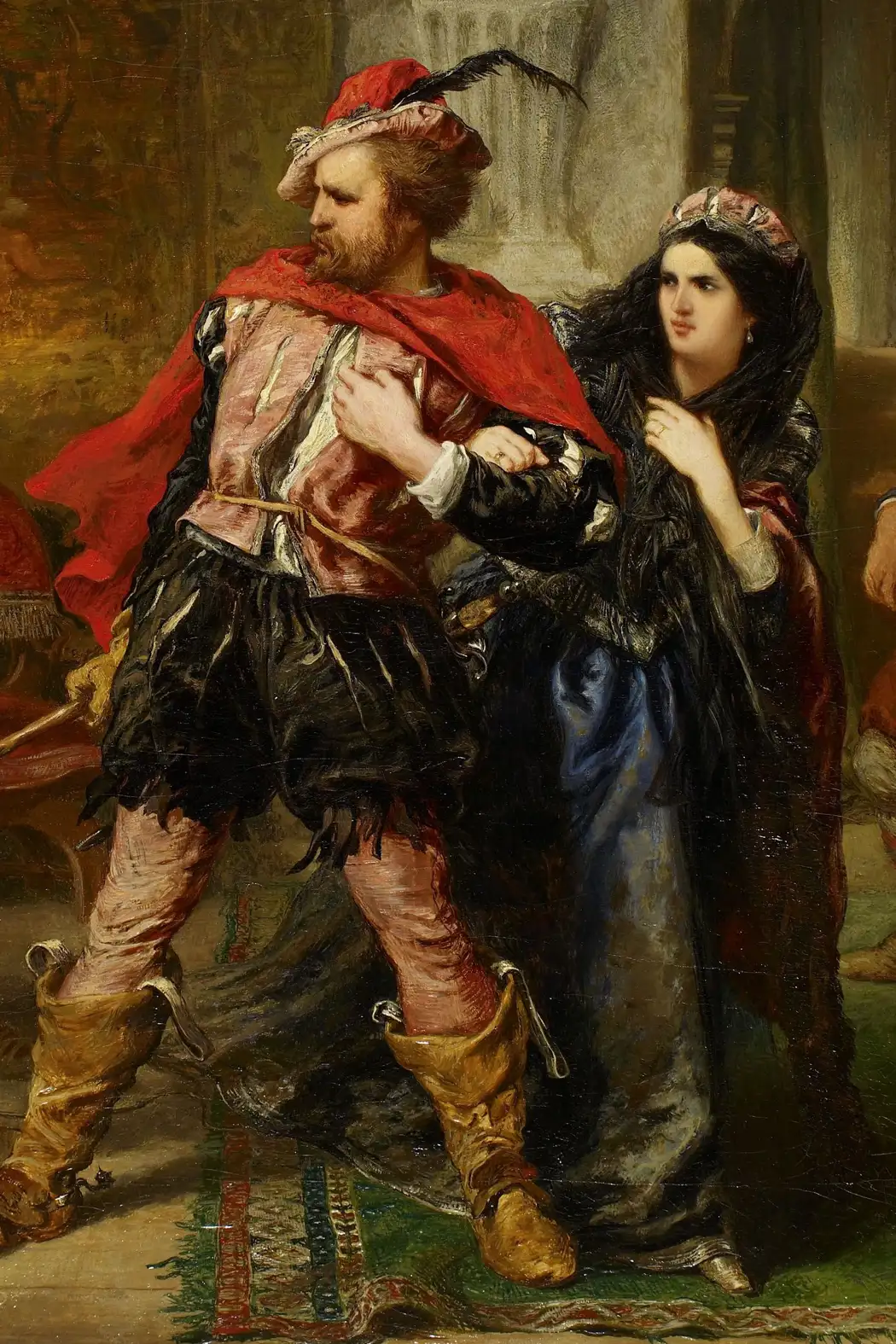
The Taming of the Shrew
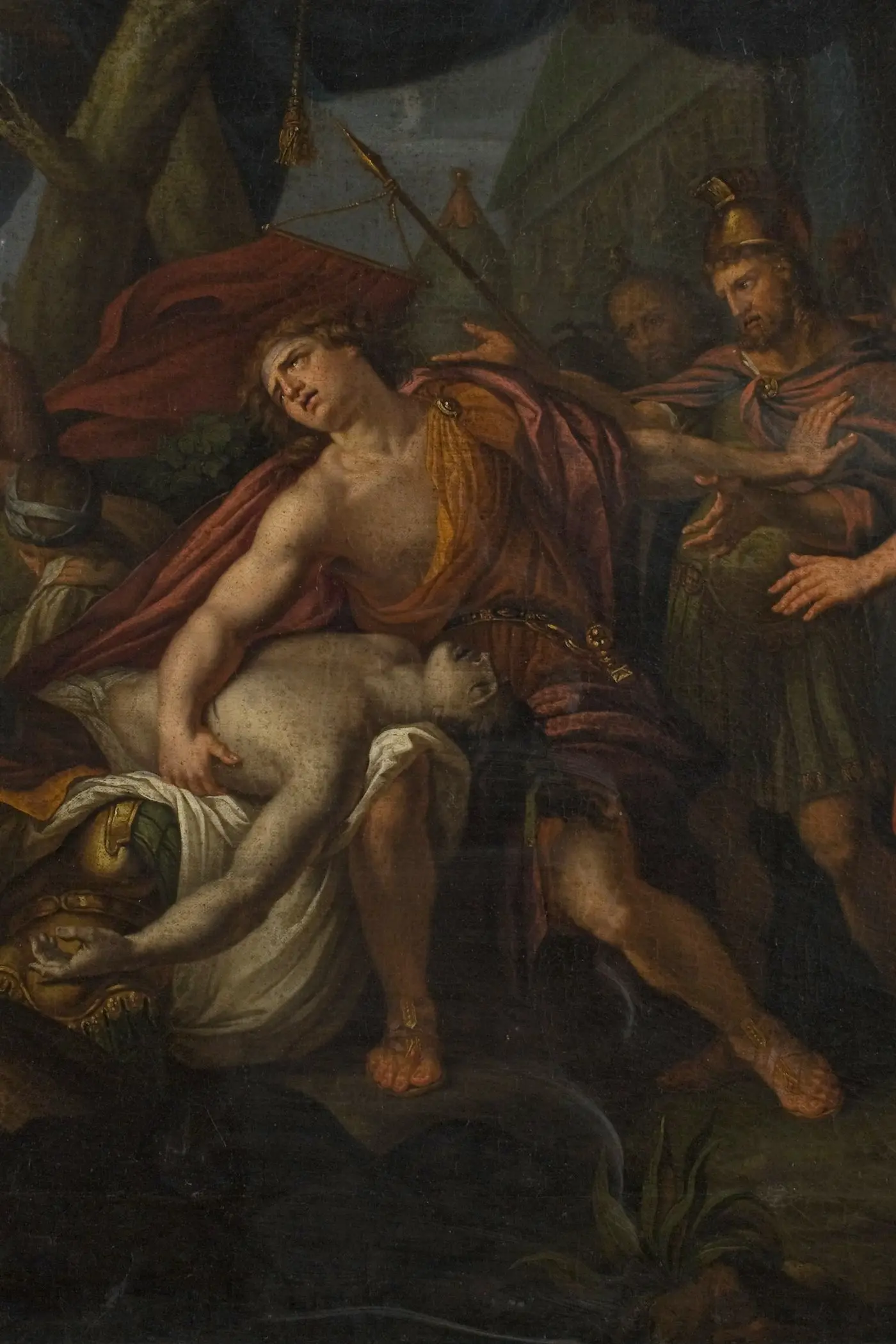
Troilus and Cressida
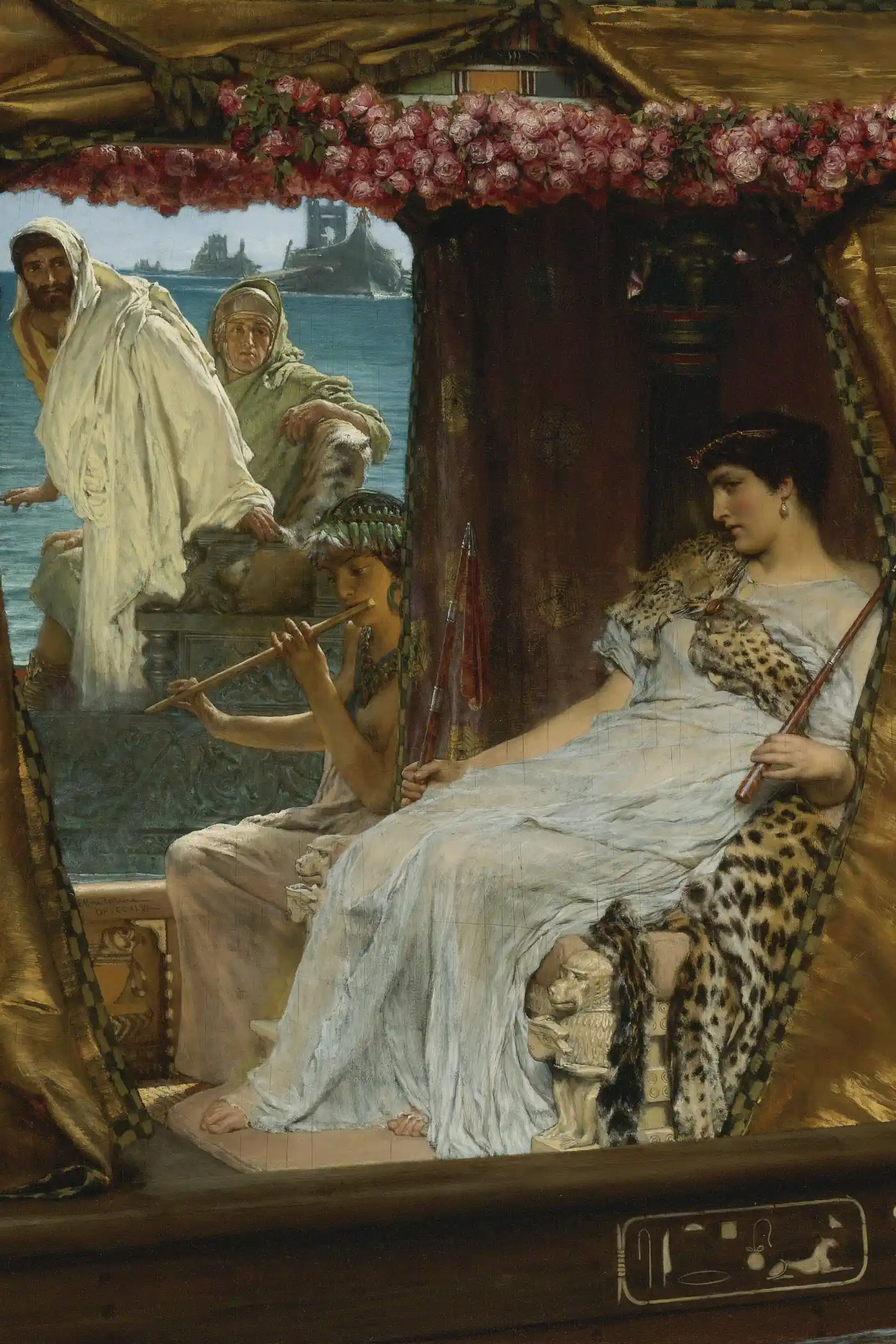
Antony and Cleopatra
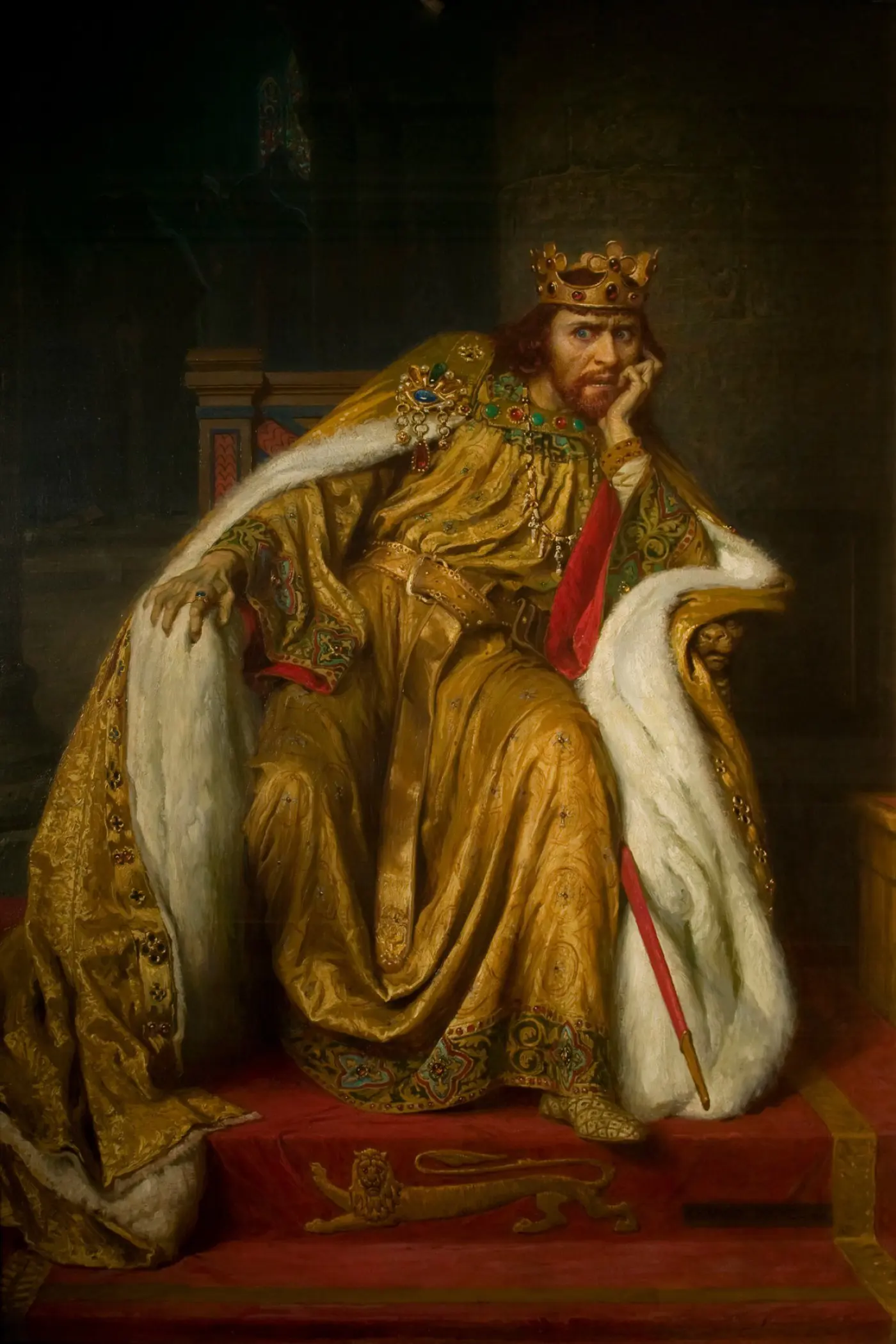
King John
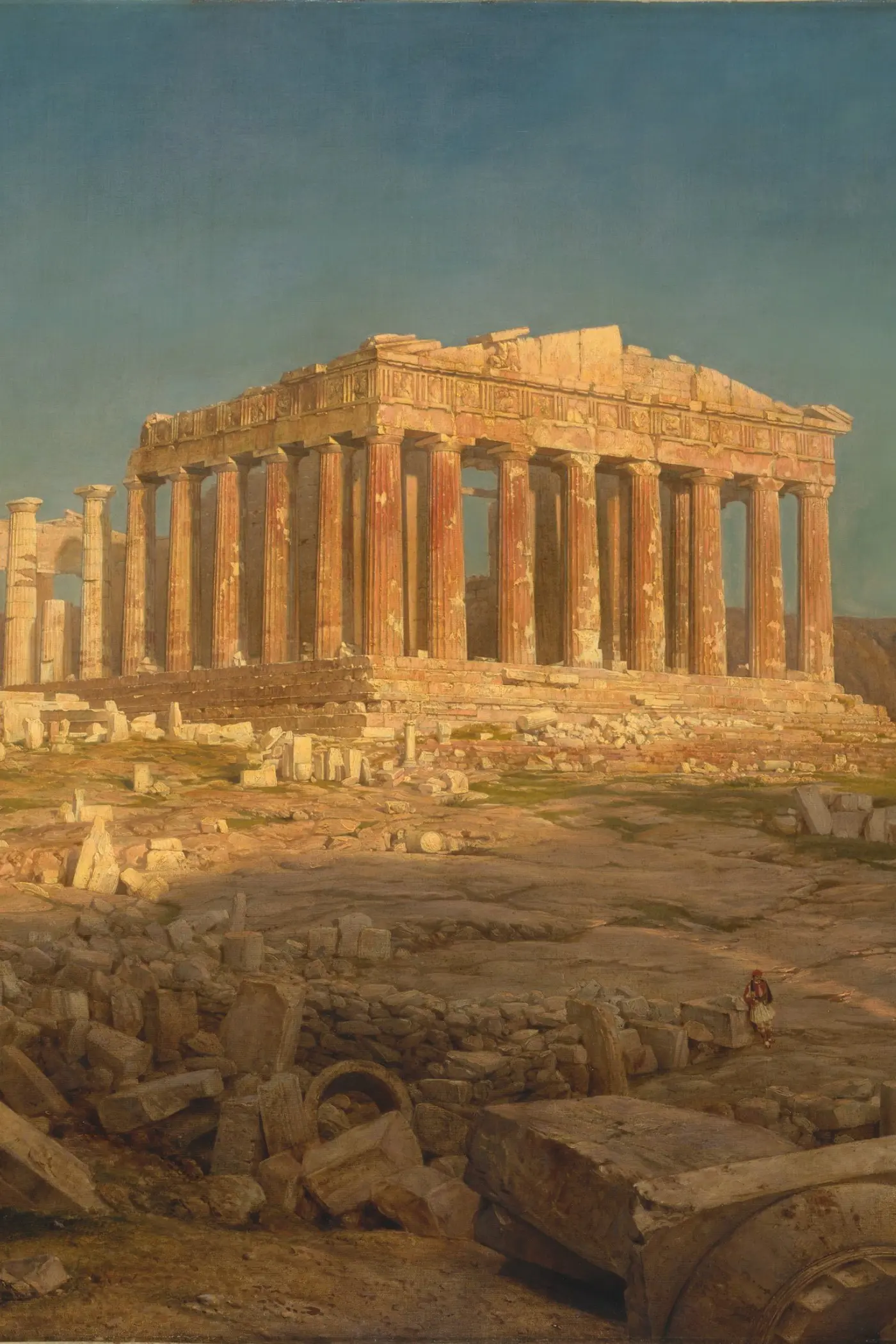
Timon of Athens
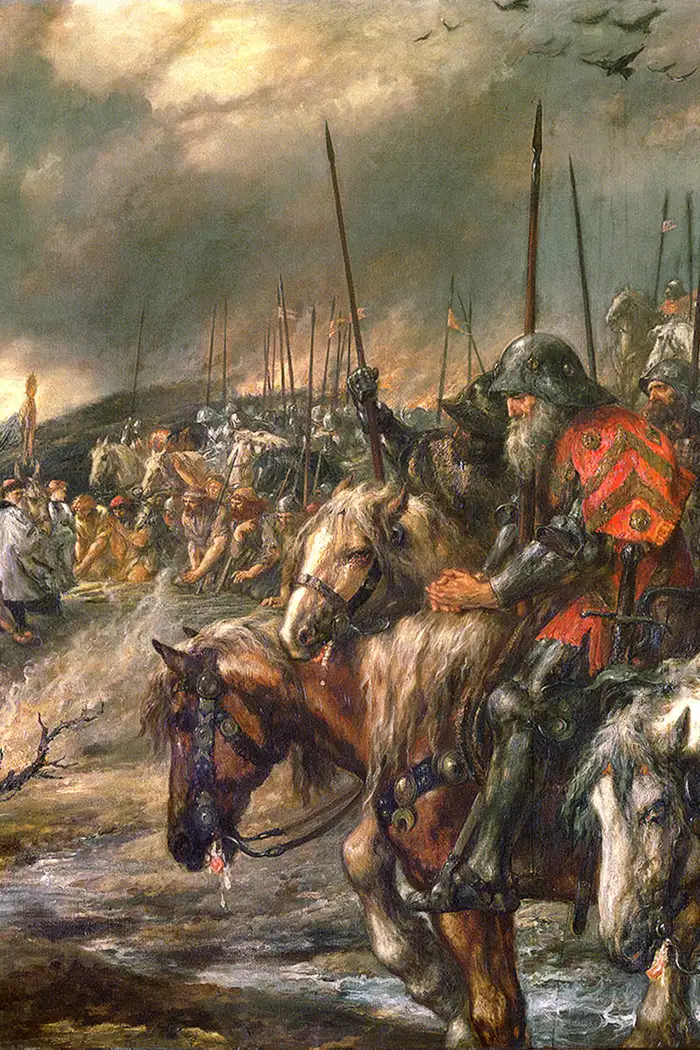
Henry V
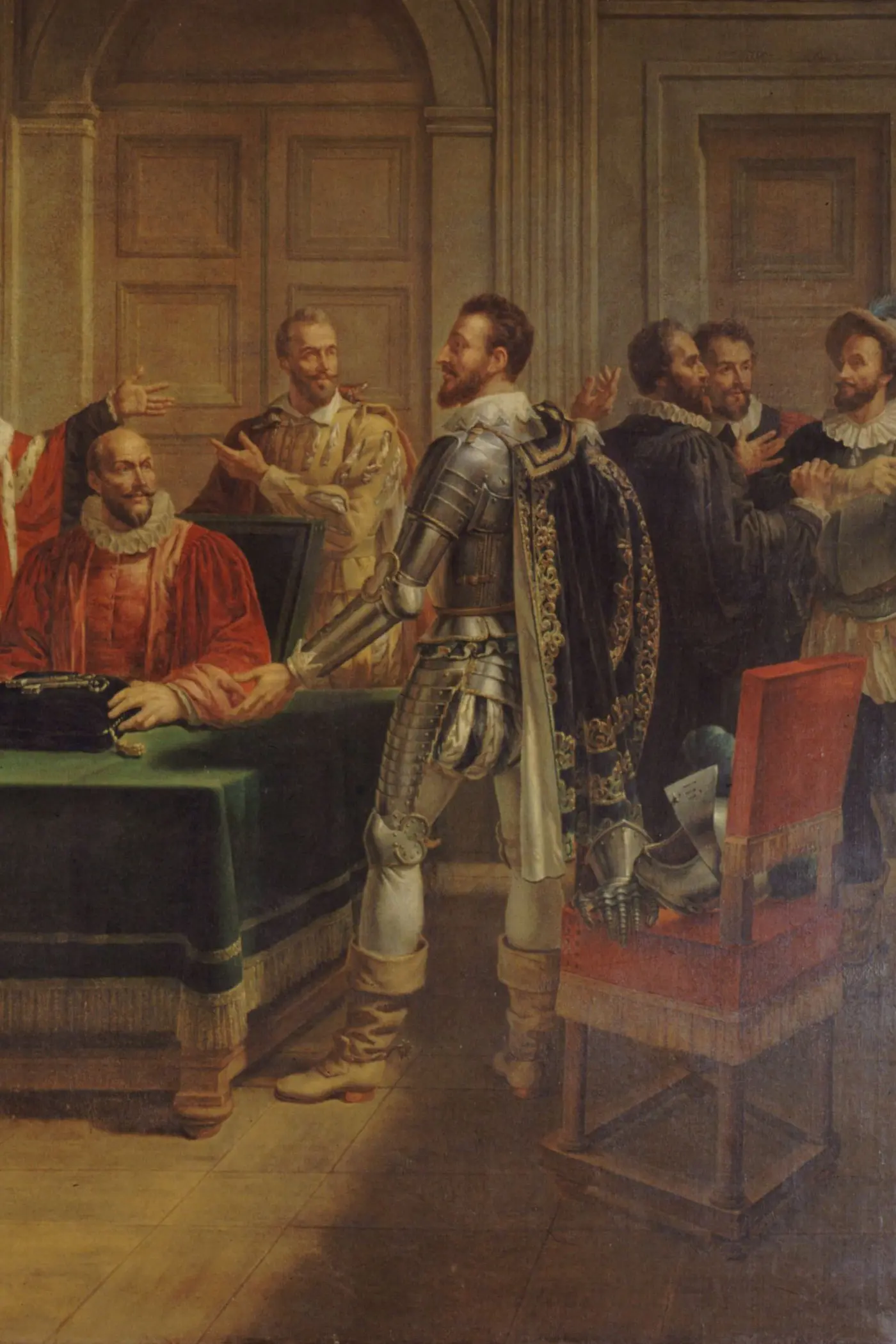
Henry IV, Part I
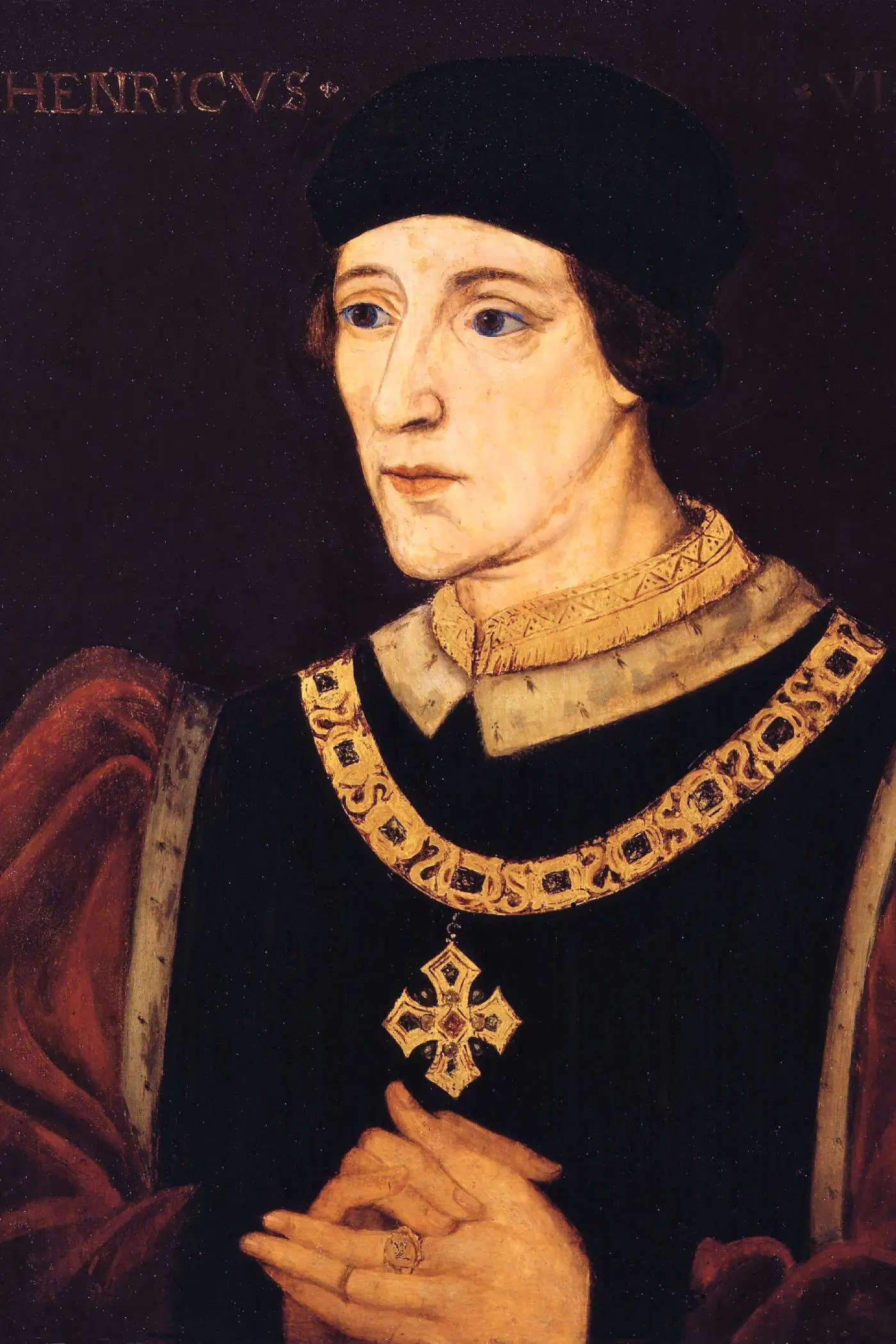
Henry VI, Part I
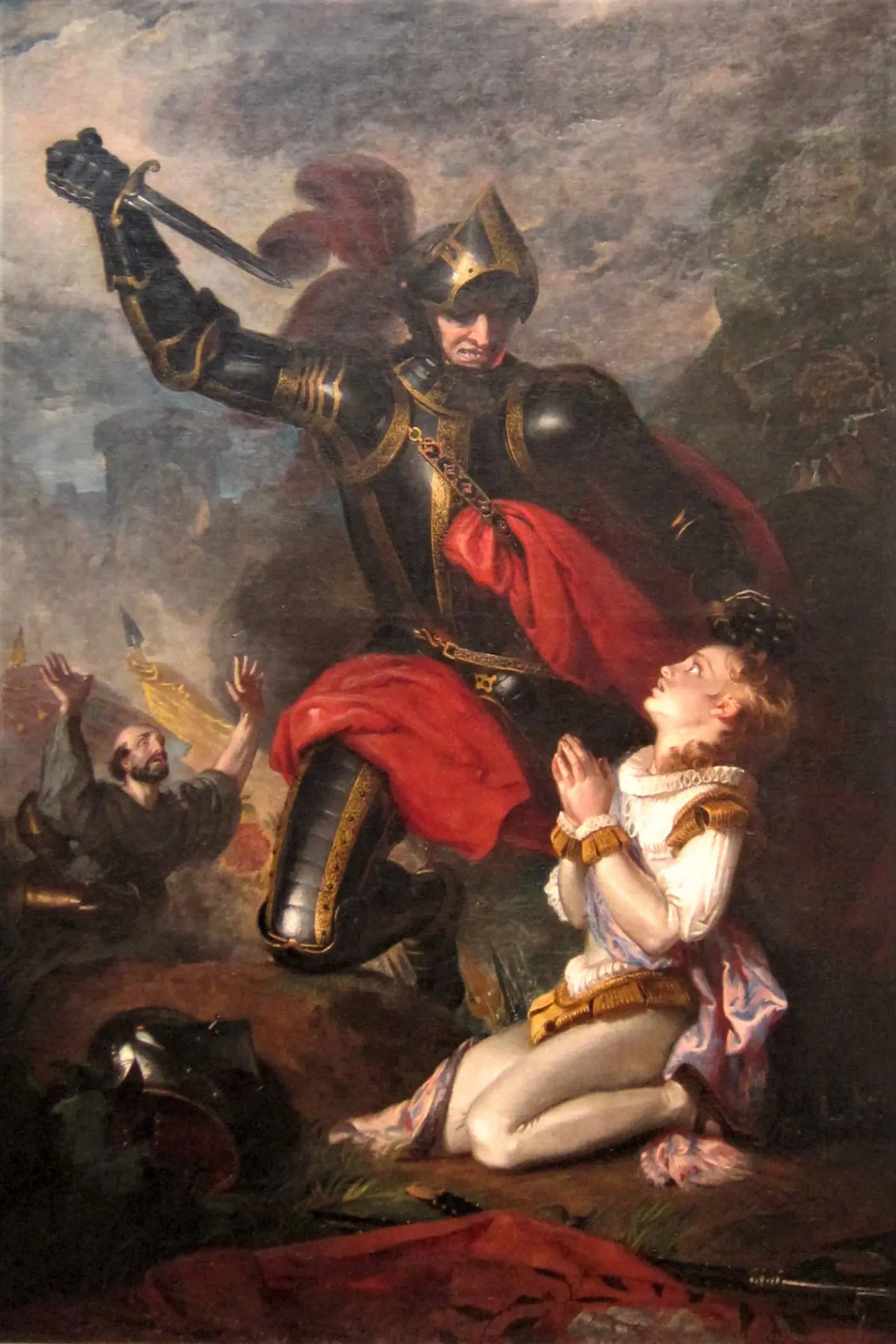
Henry VI, Part III
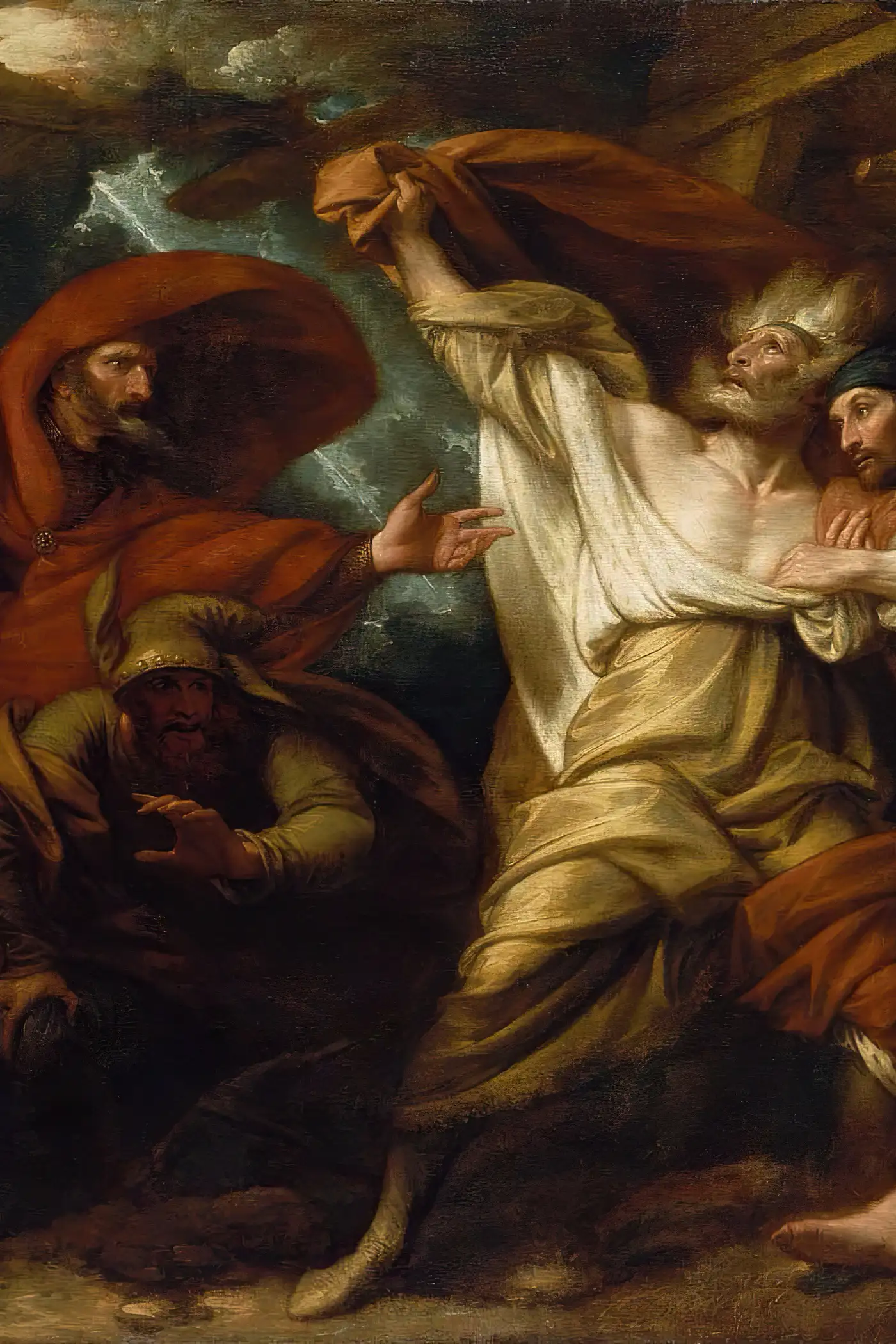
King Lear
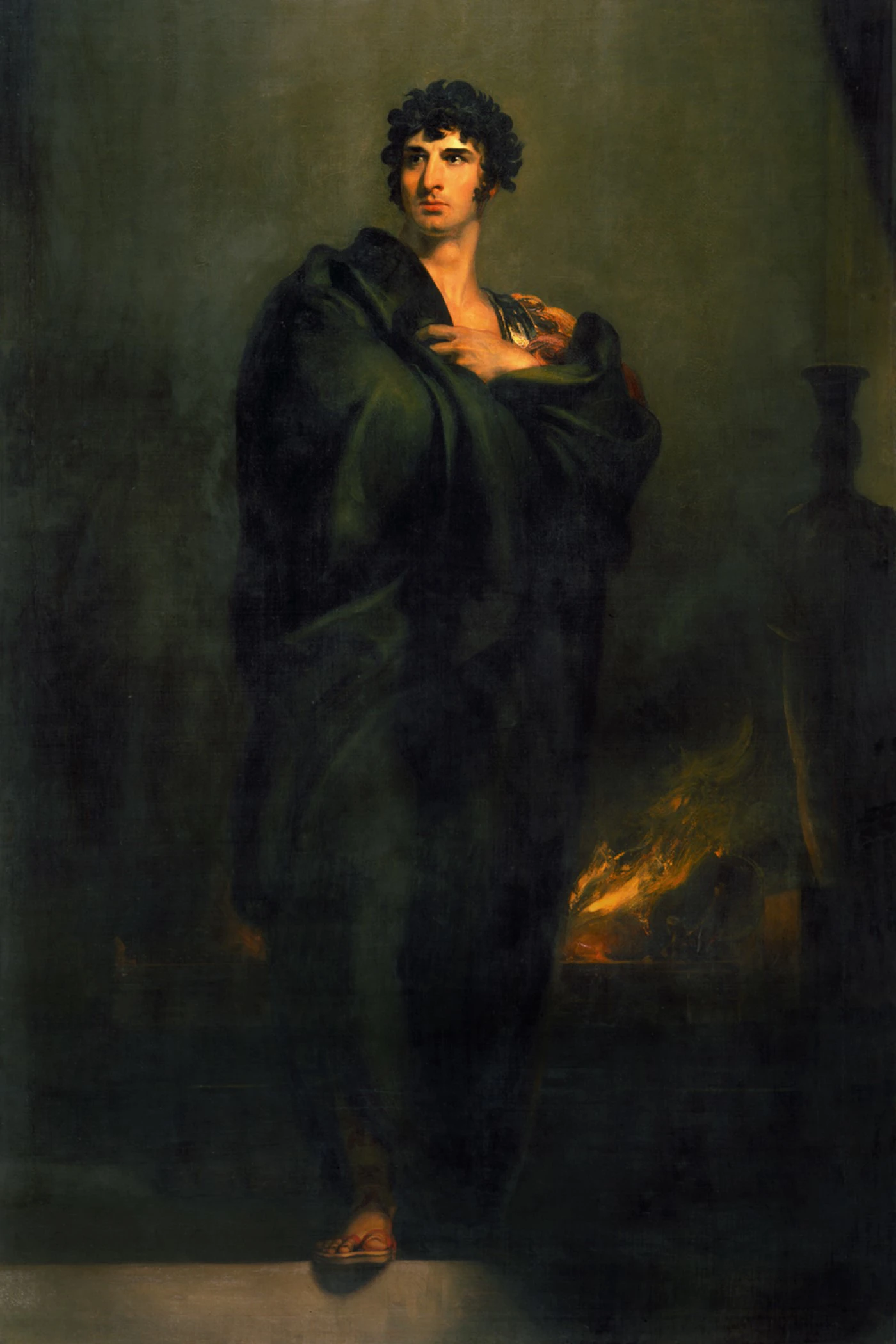
Coriolanus
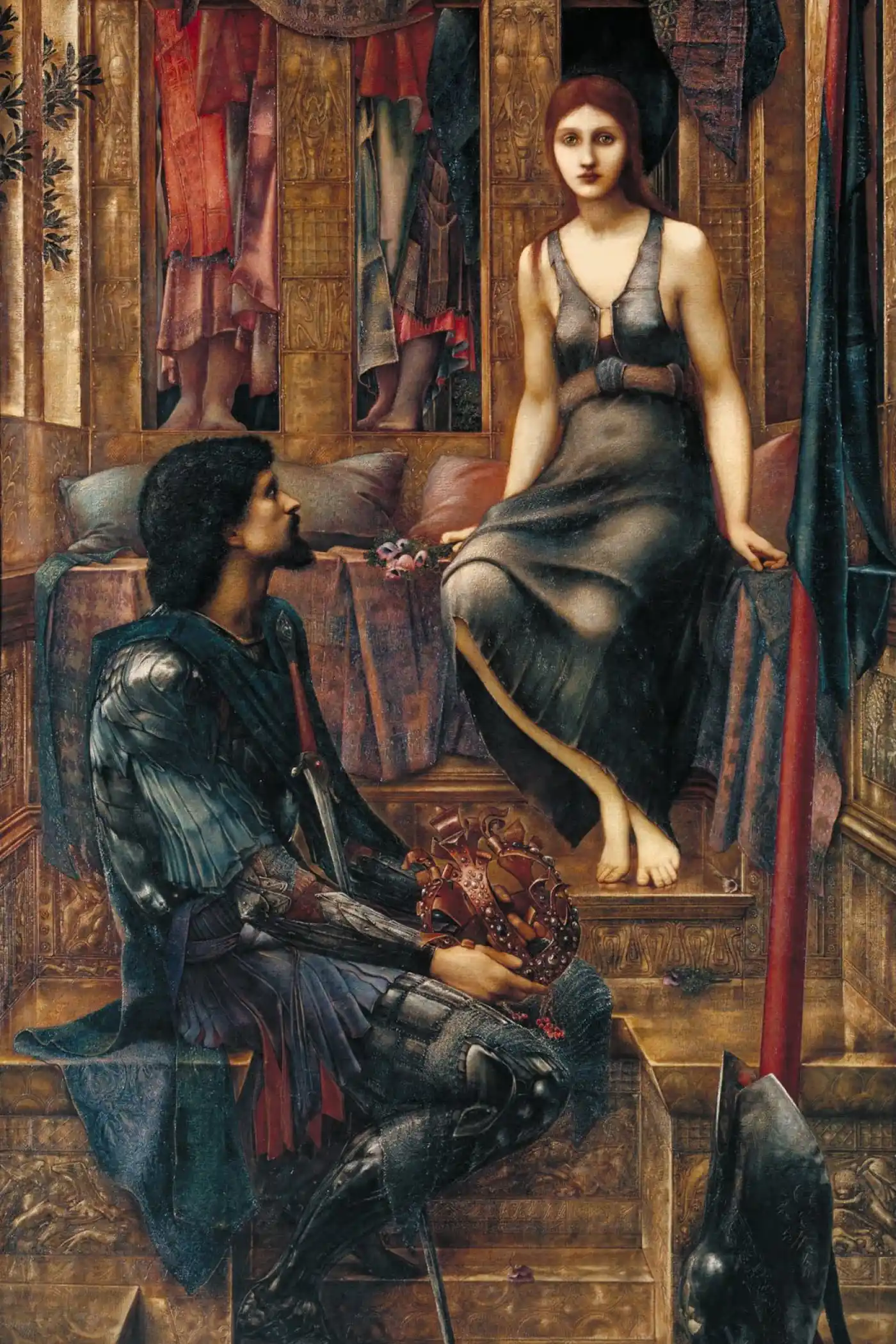
Love’s Labour’s Lost

All’s Well That Ends Well
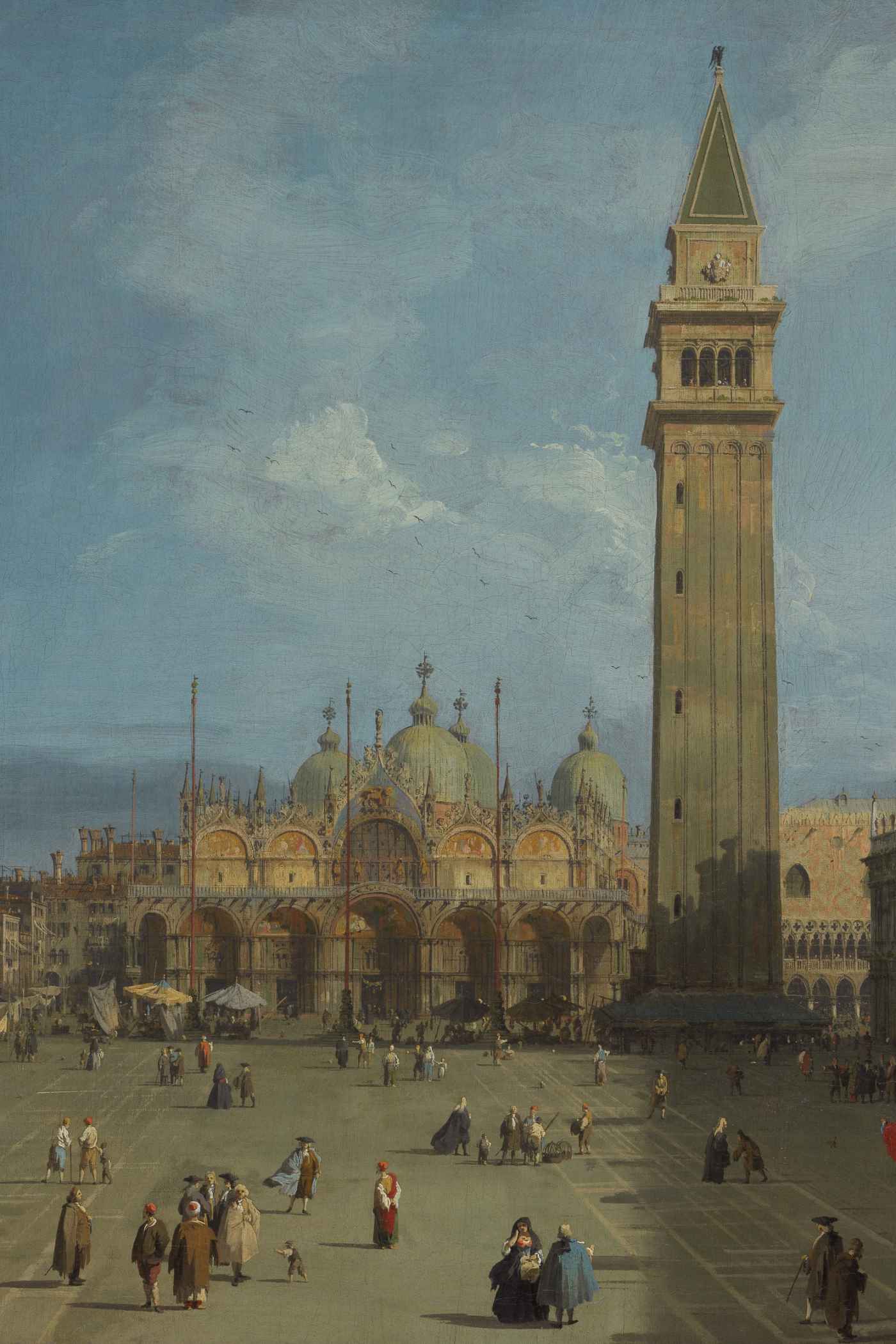
The Merchant of Venice
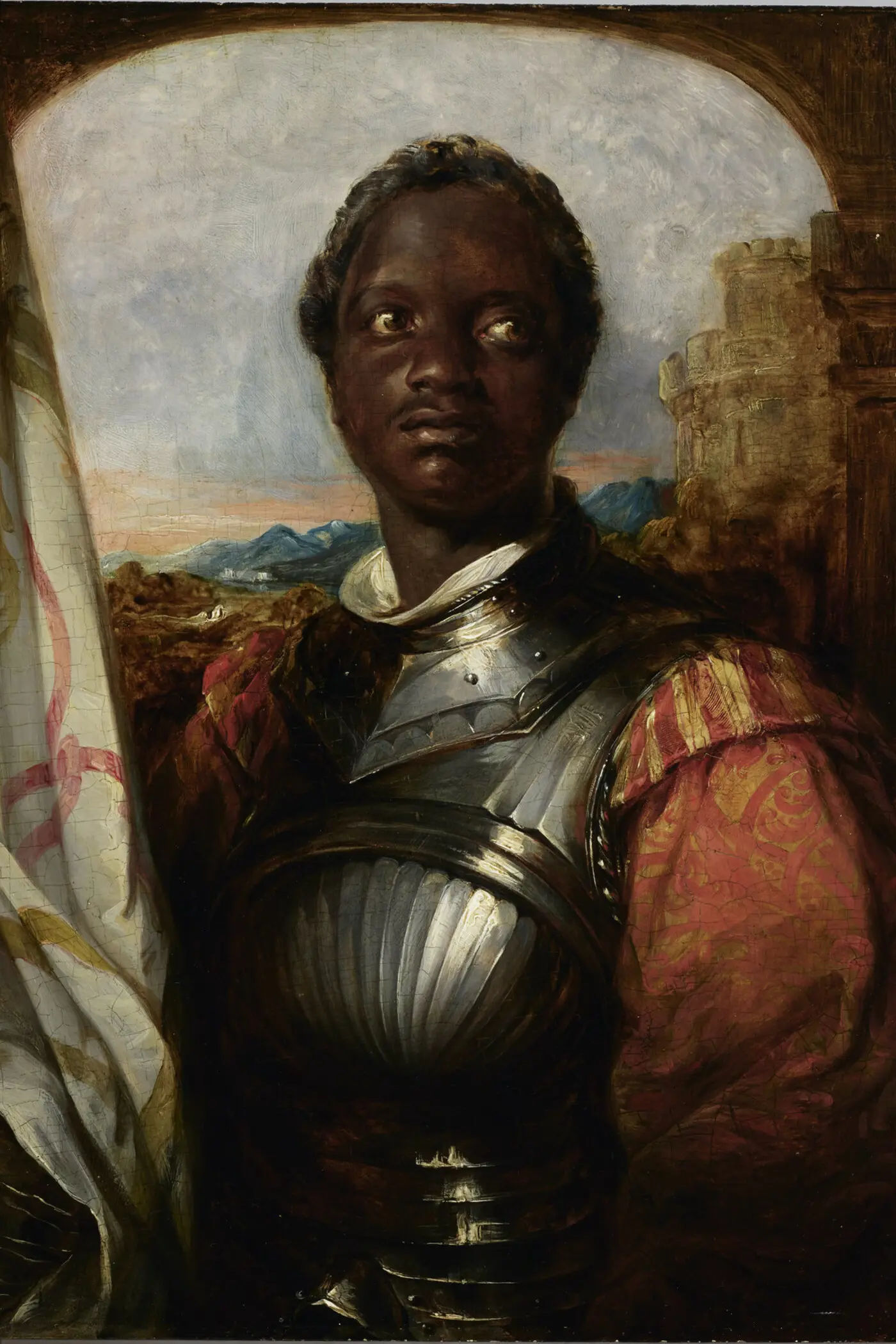
Othello
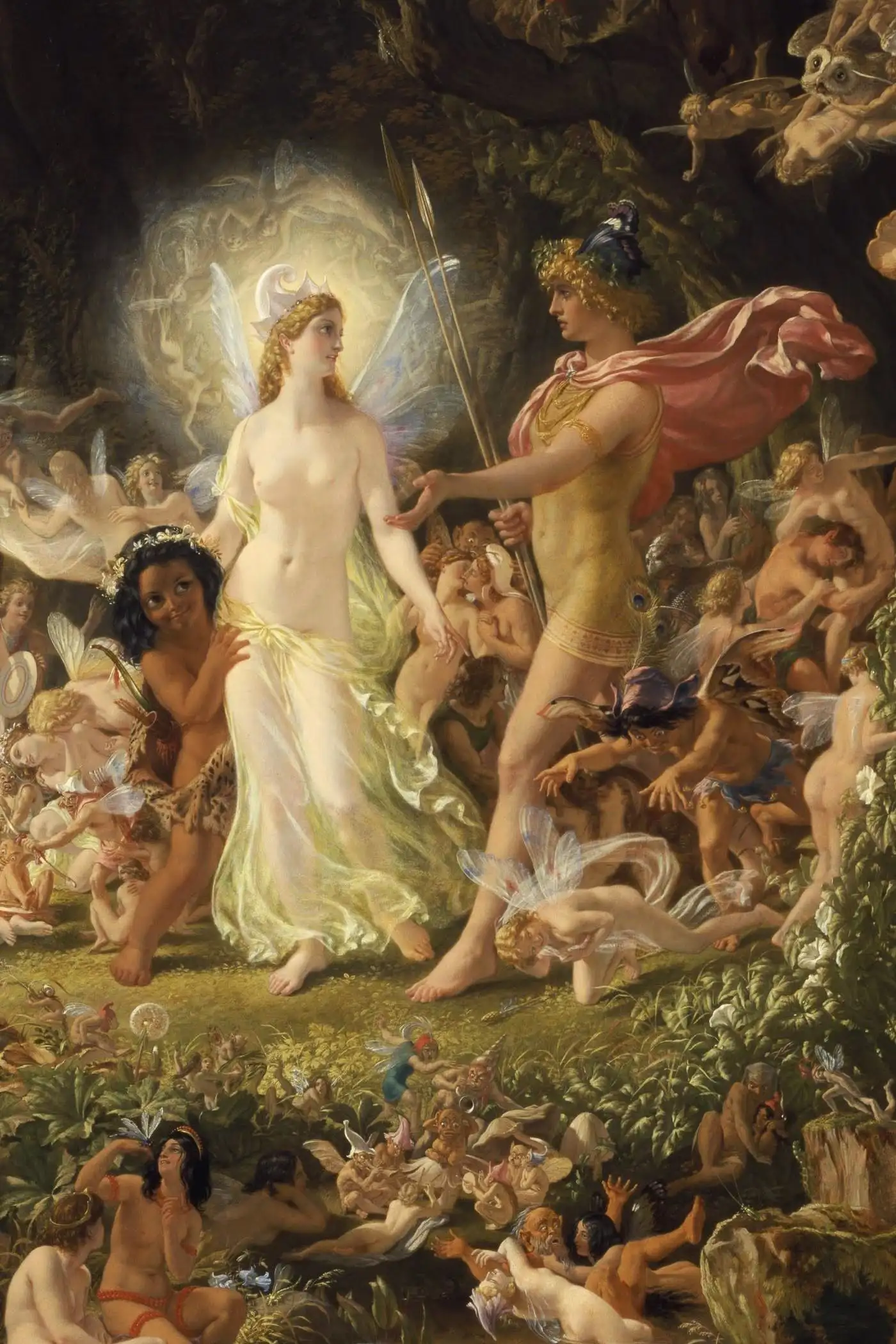
A Midsummer Night’s Dream
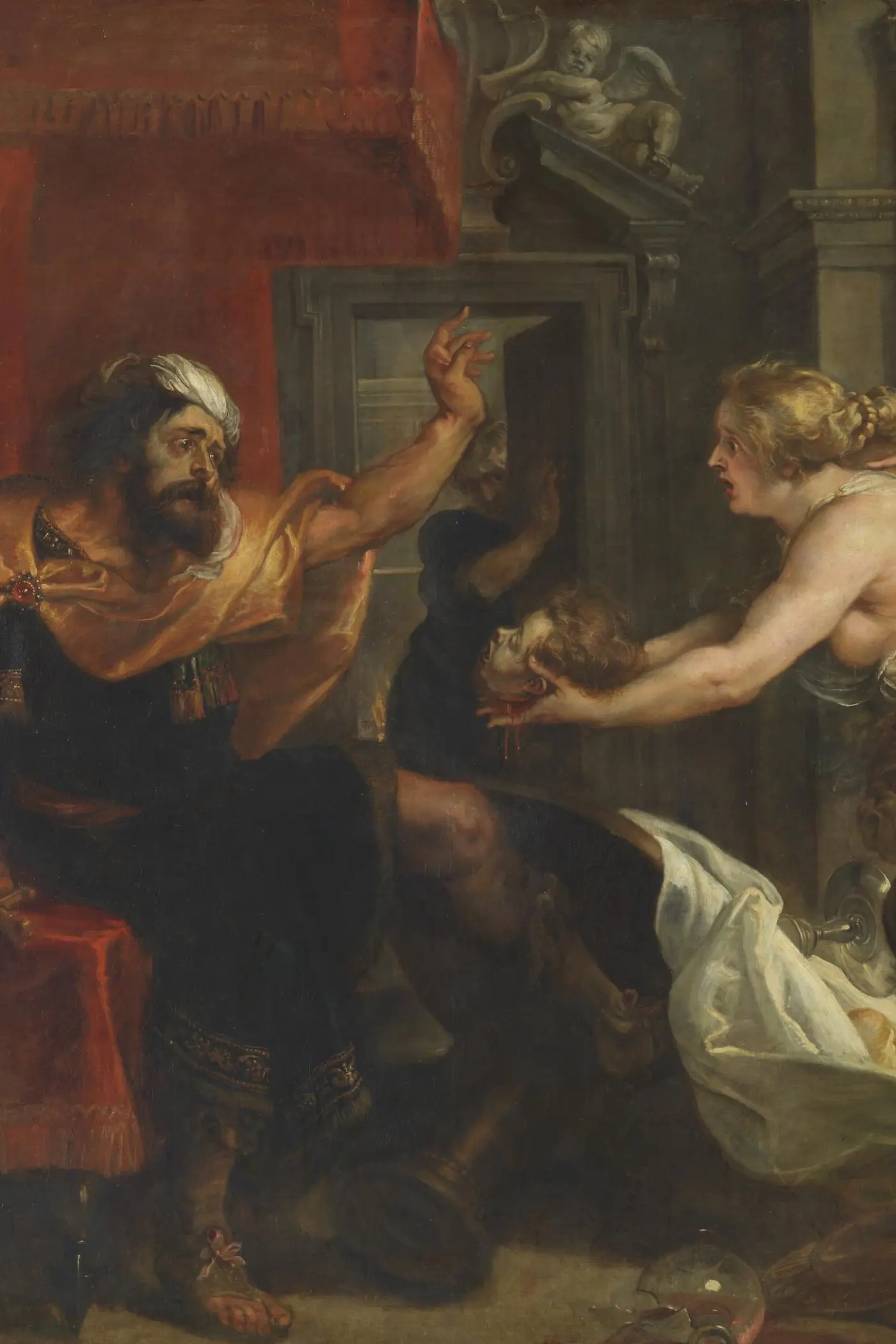
Titus Andronicus
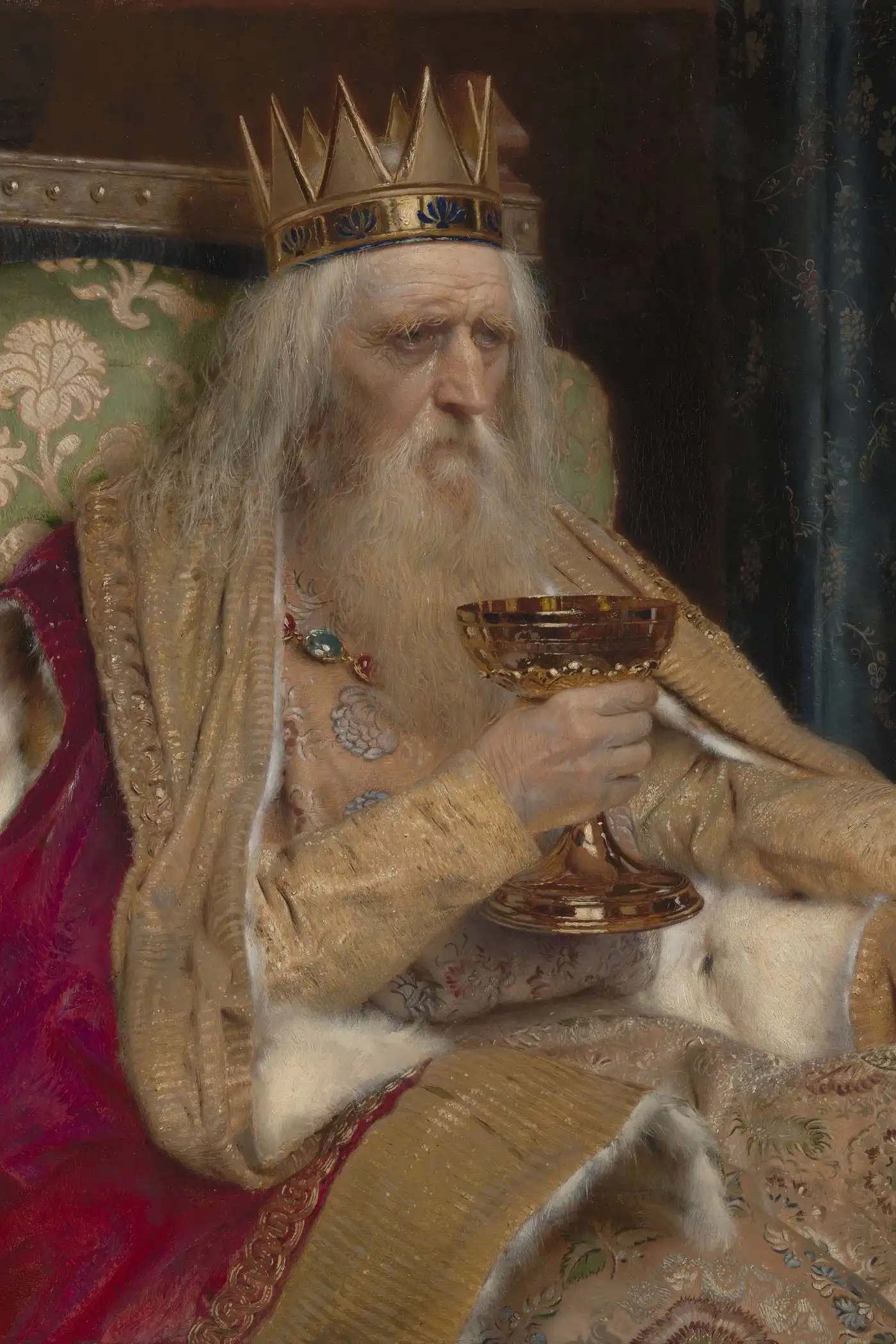
Edward III
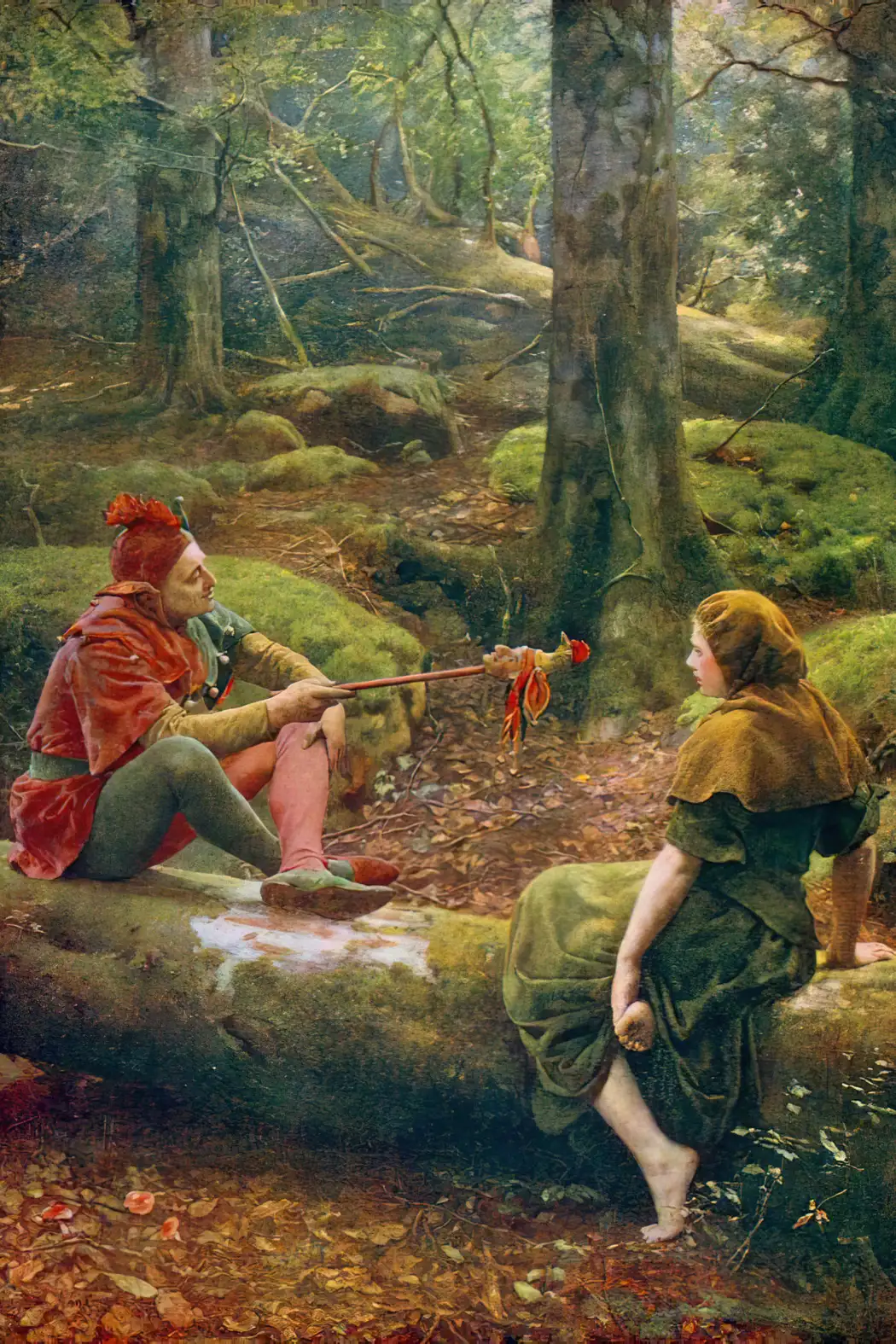
As You Like It
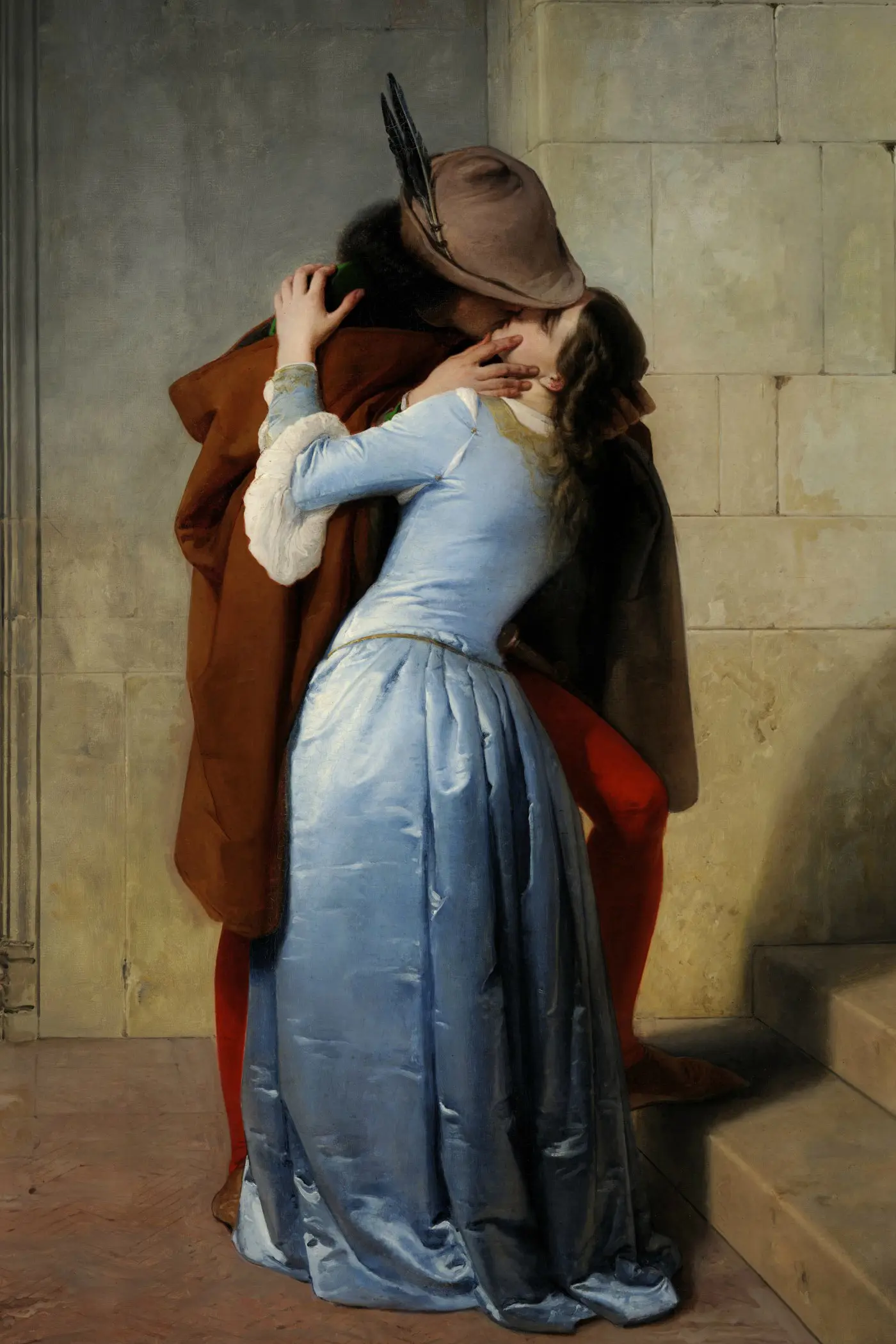
Romeo and Juliet
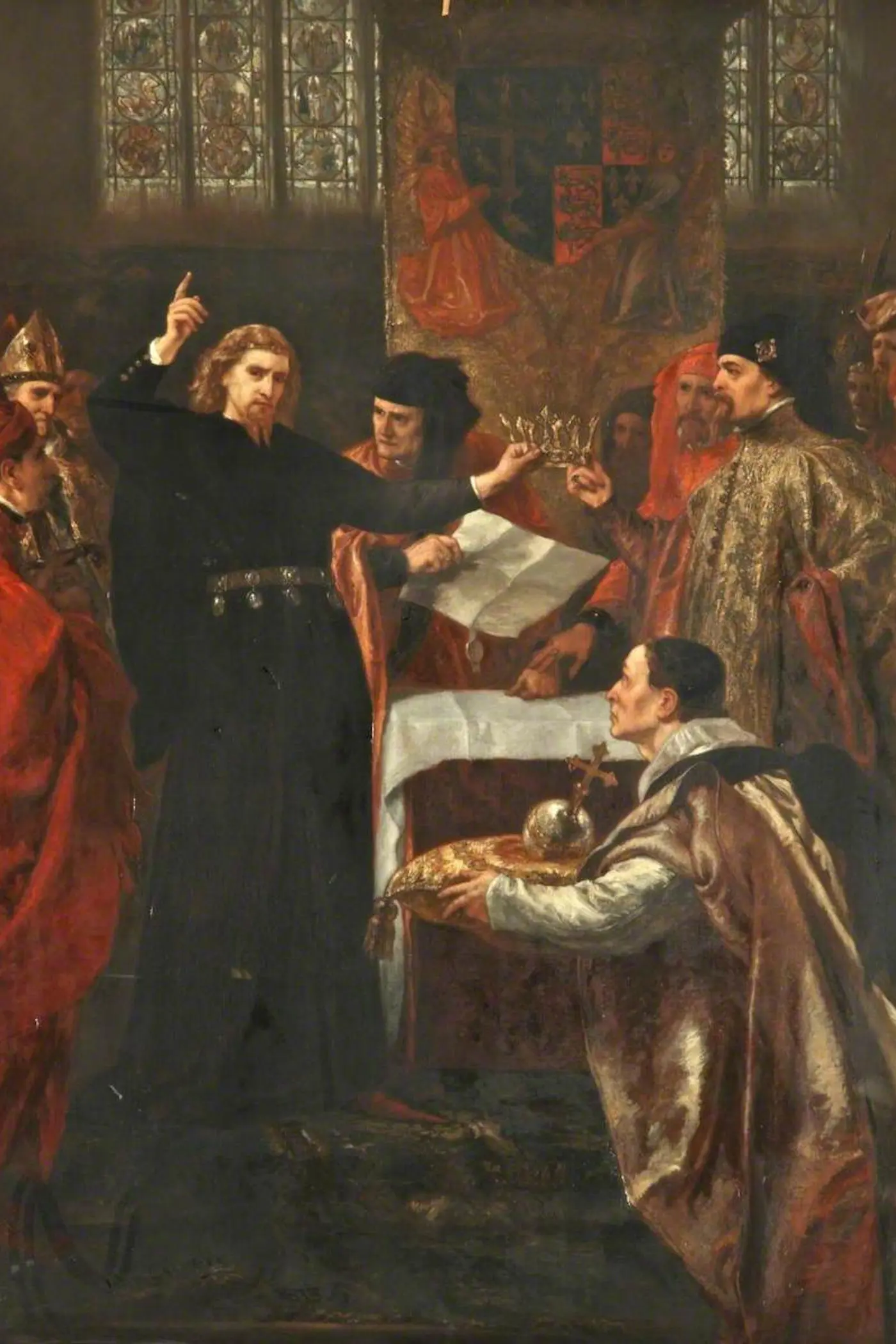
Richard II
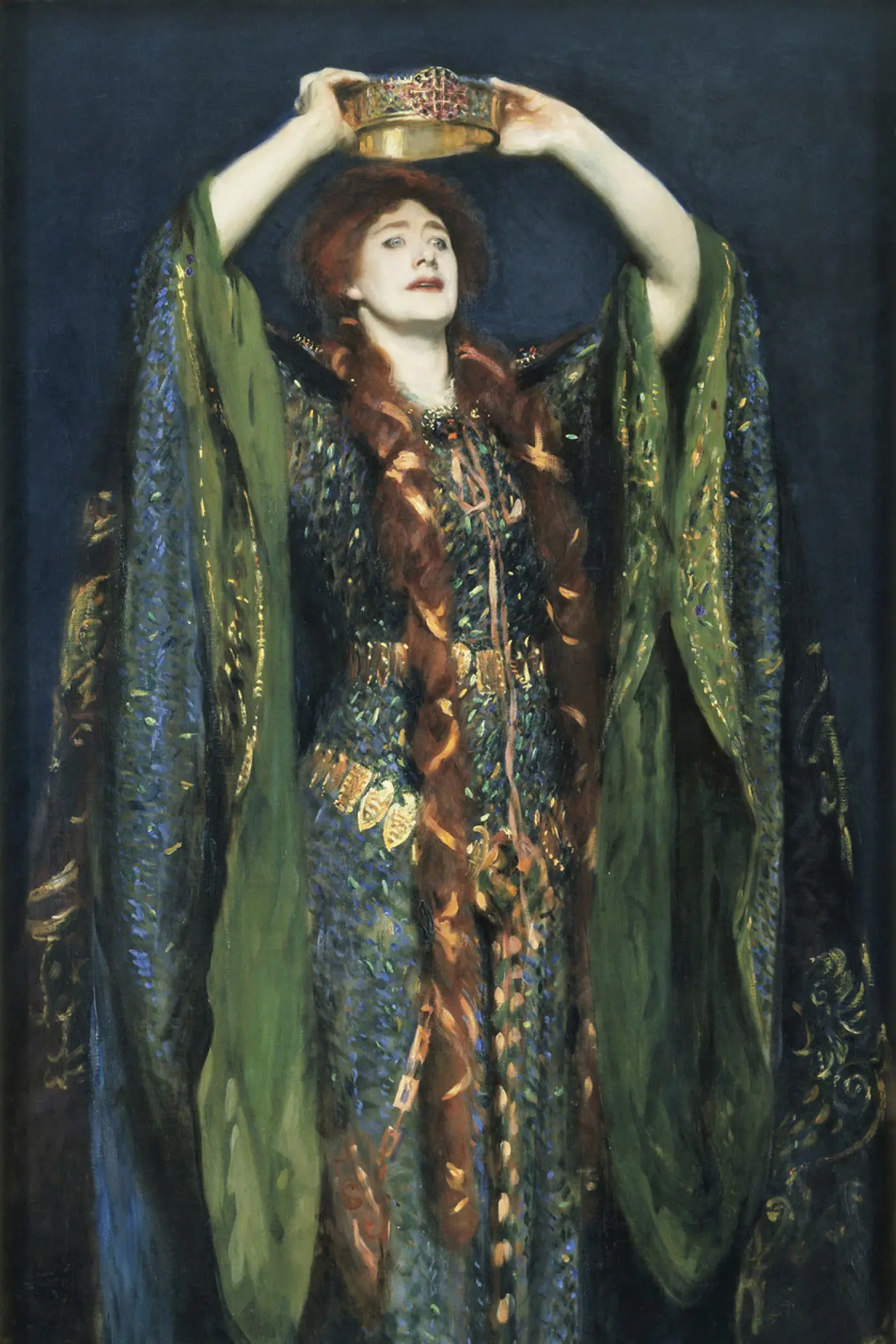
Macbeth
The Comedy of Errors
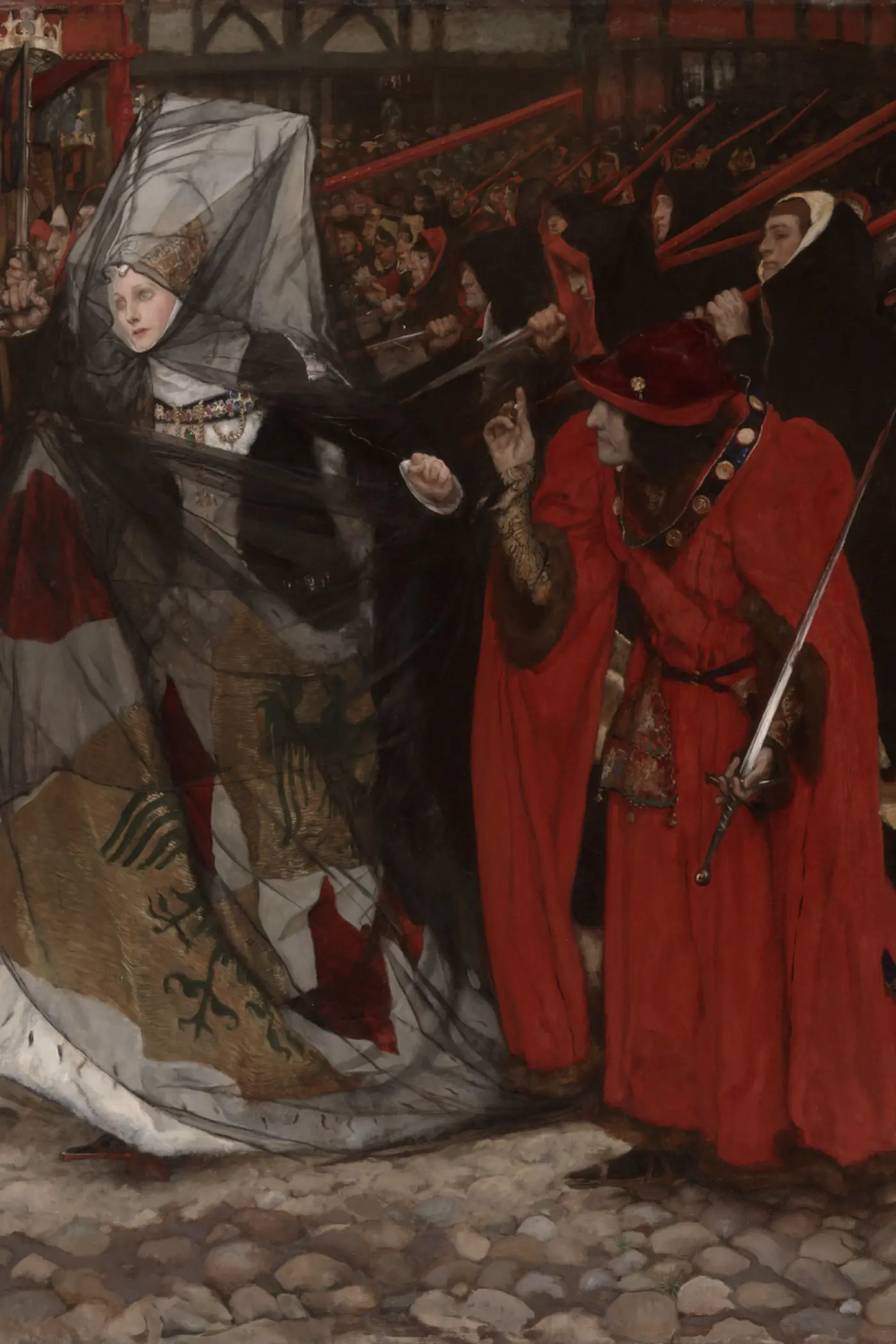
Richard III
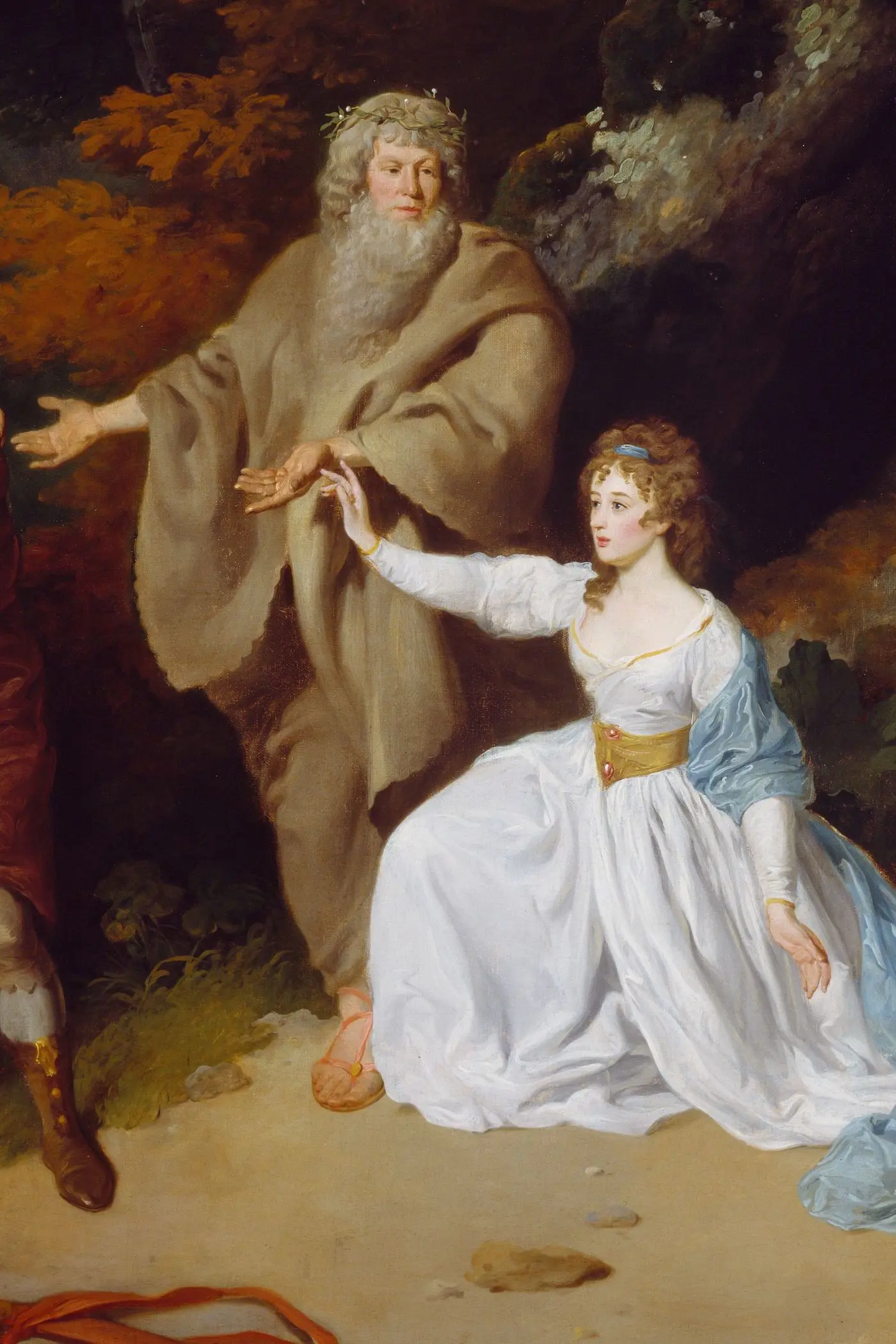
The Tempest
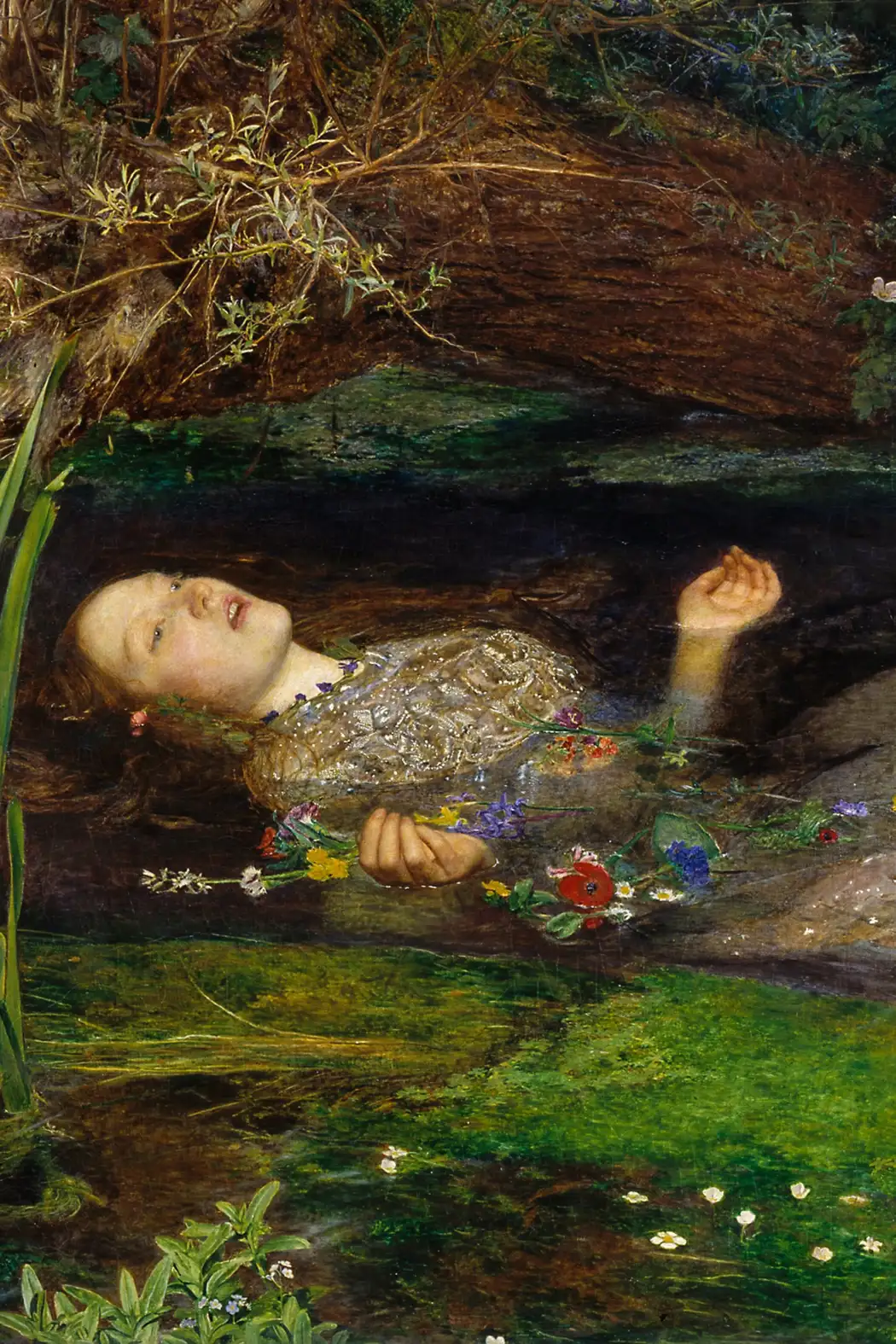
Hamlet
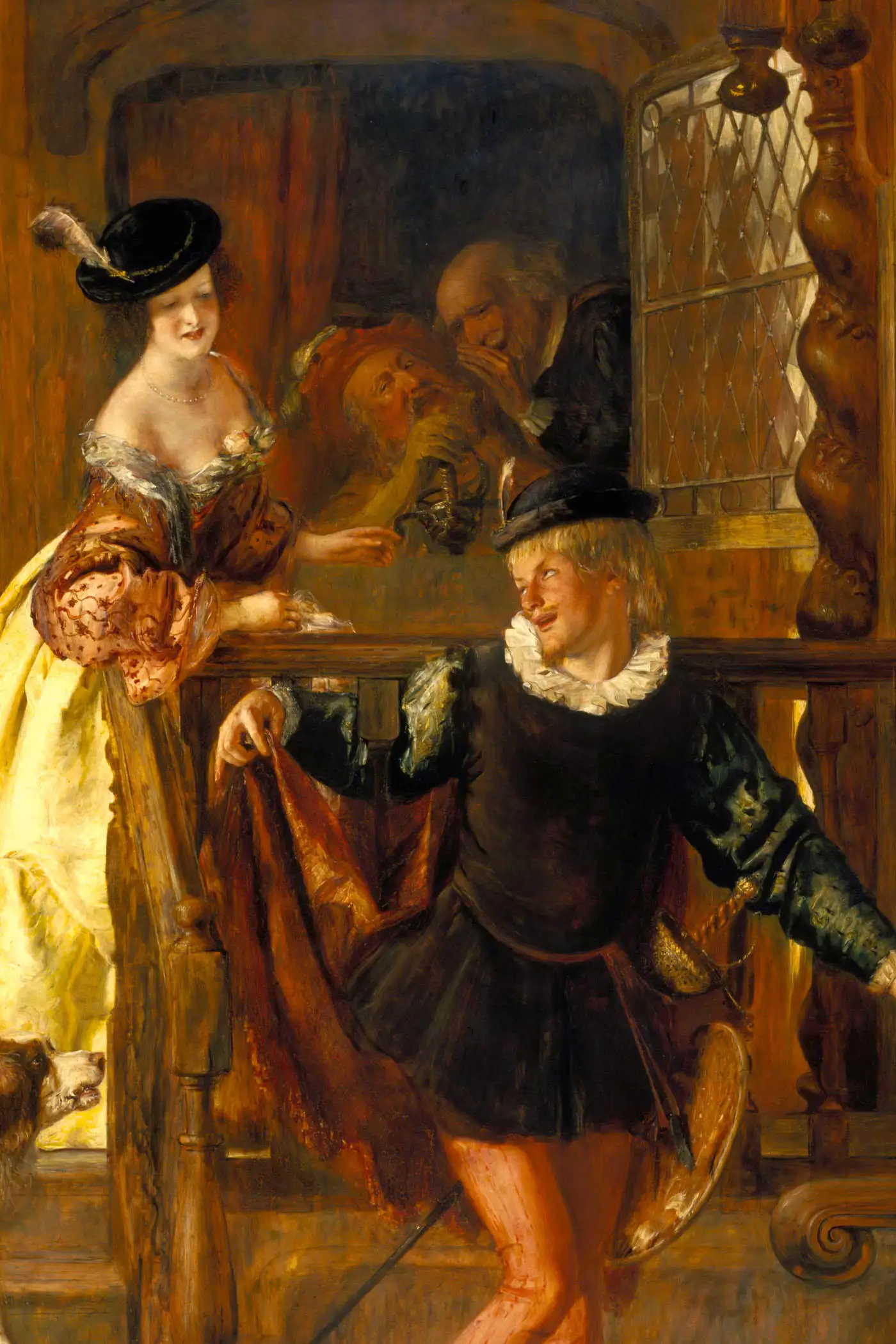
The Merry Wives of Windsor
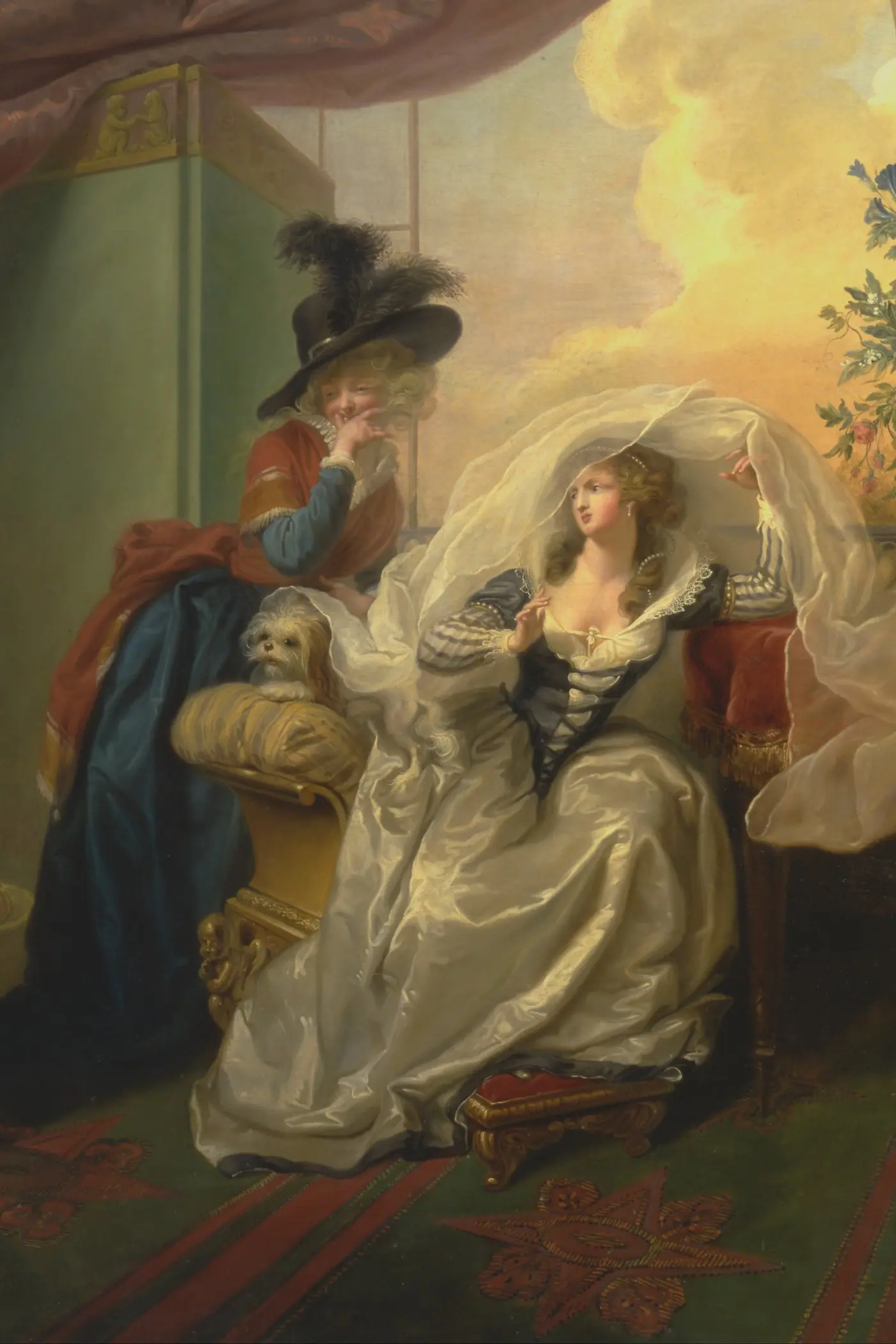
Twelfth Night
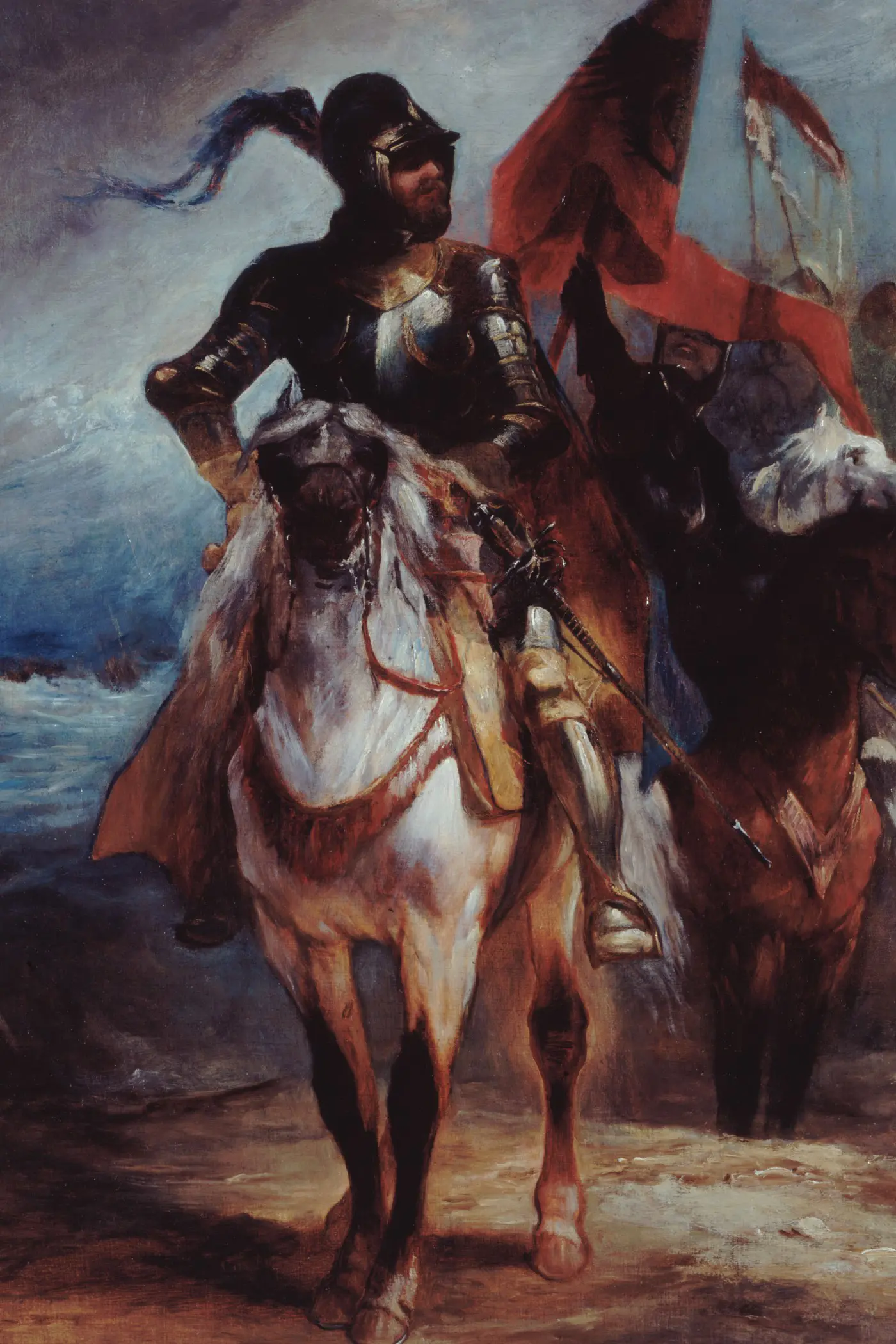
Henry VI, Part II
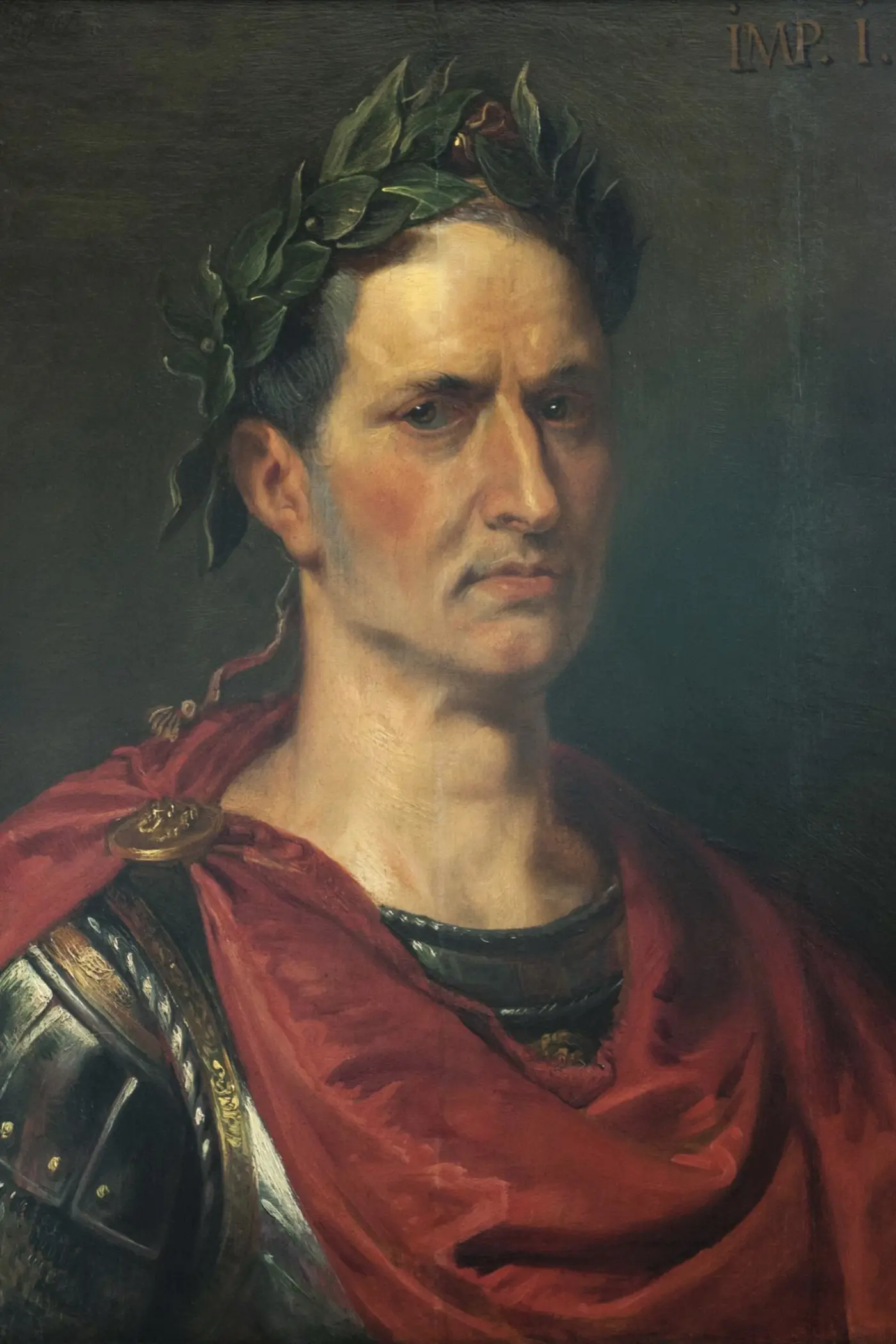
Julius Caesar
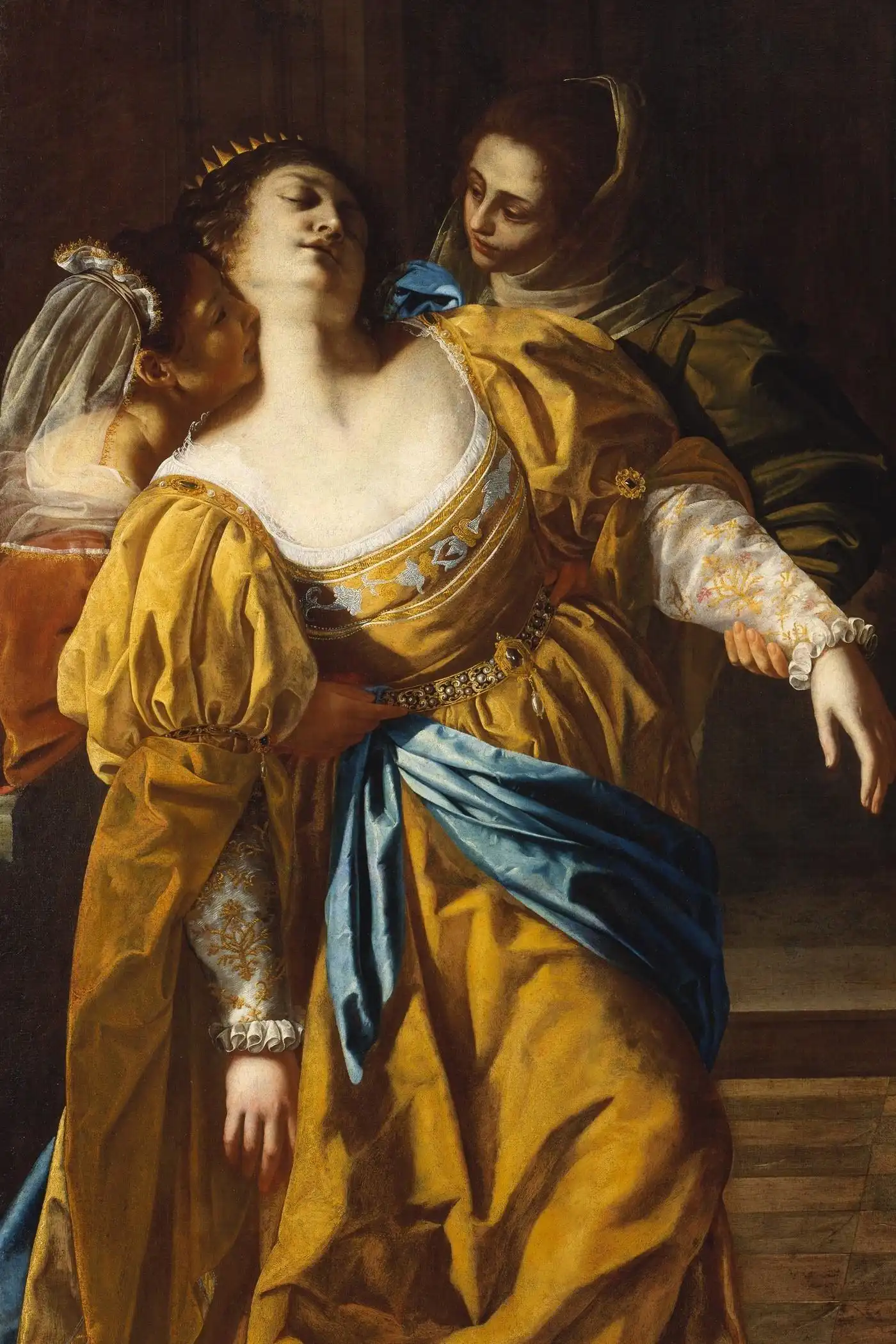
Much Ado About Nothing
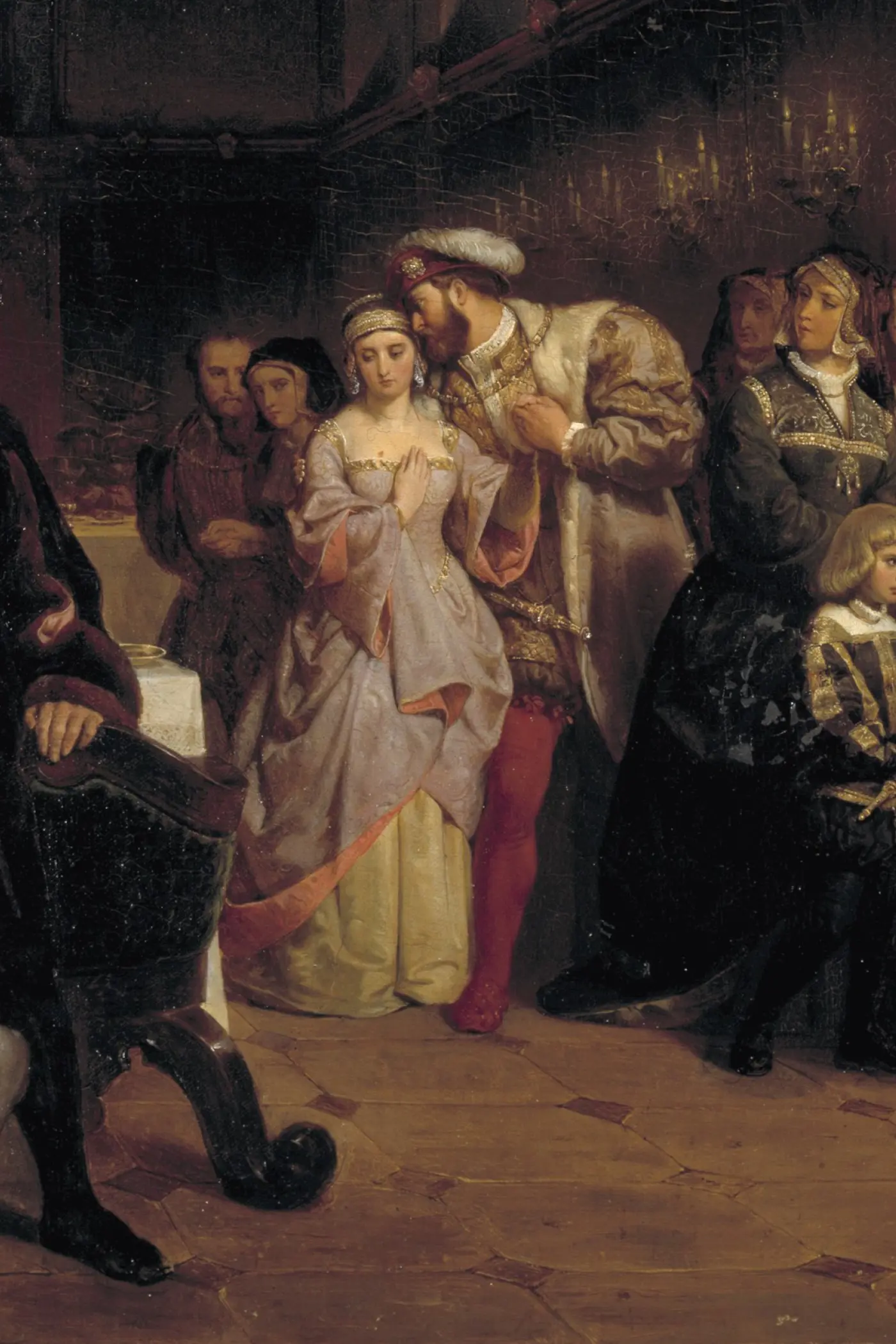
Henry VIII
Poetry
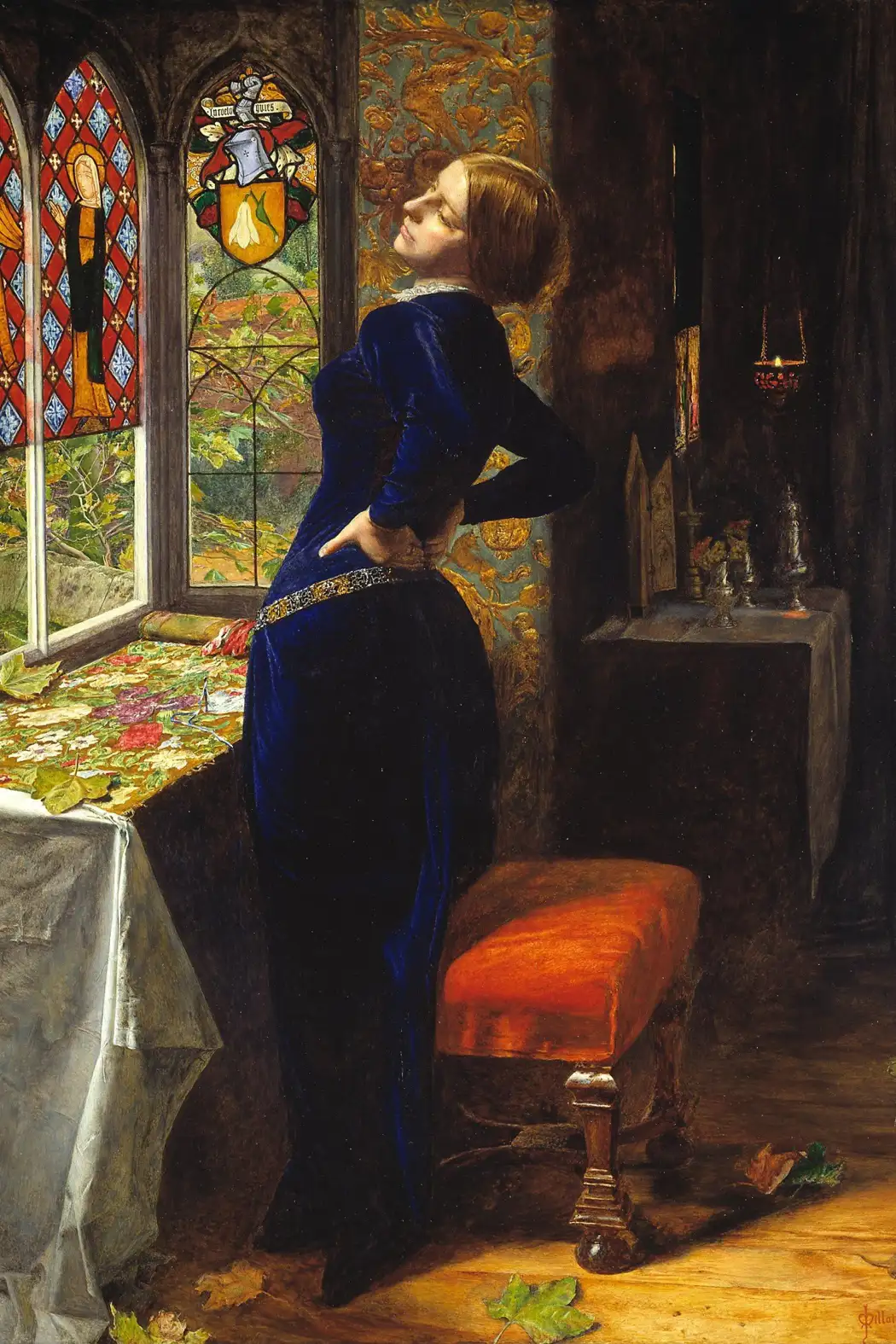
Measure for Measure
The Two Noble Kinsmen
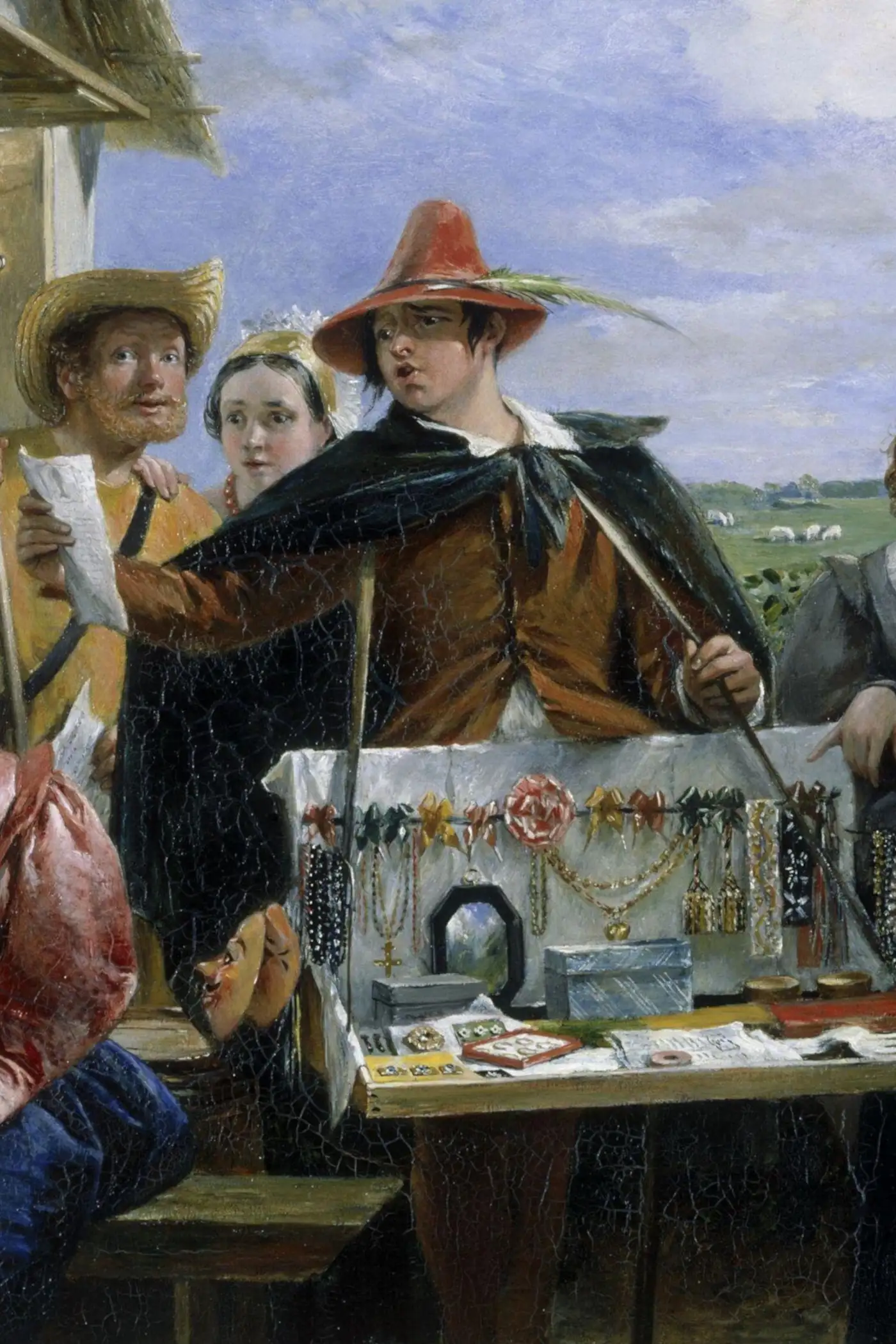
The Winter’s Tale
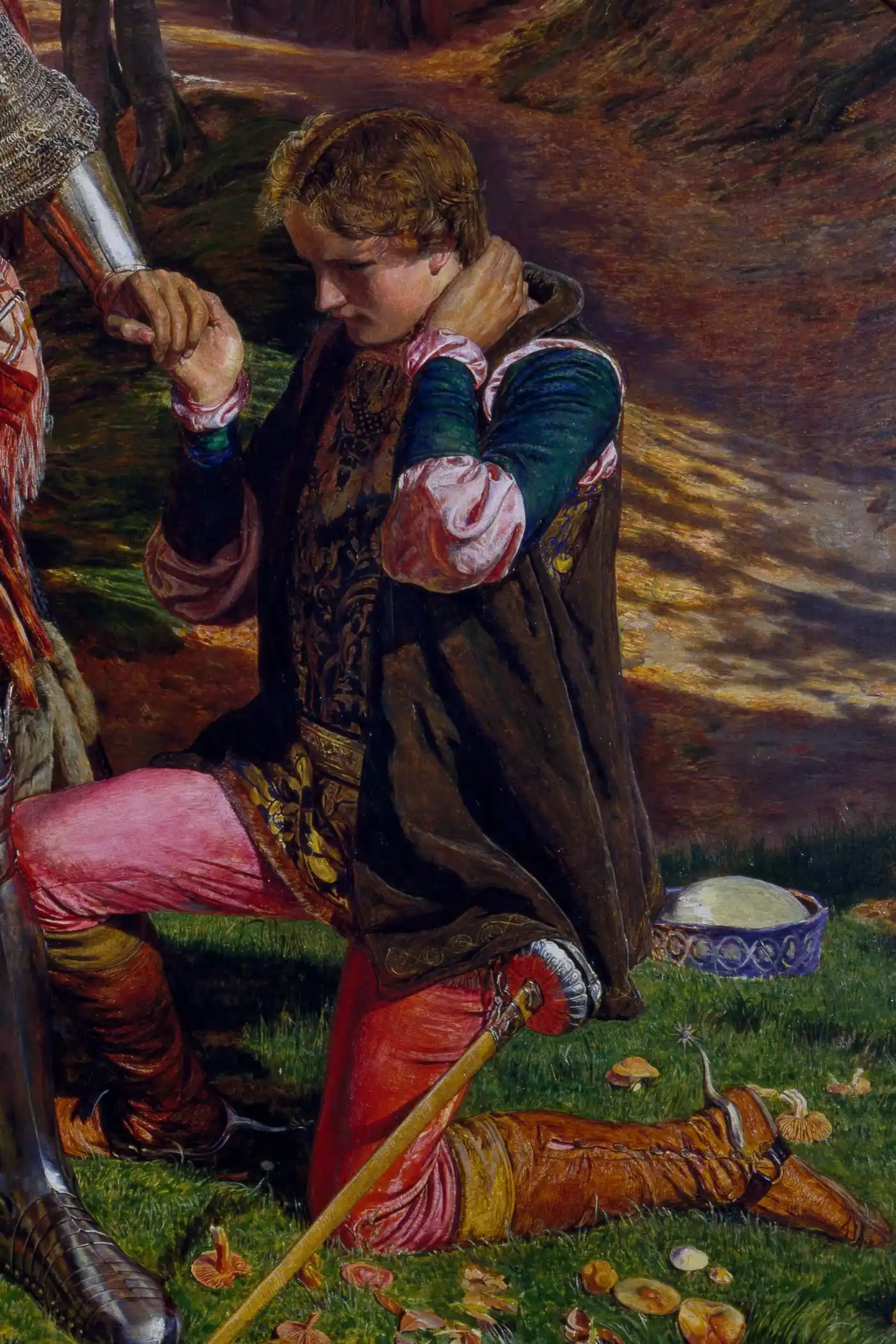
The Two Gentlemen of Verona
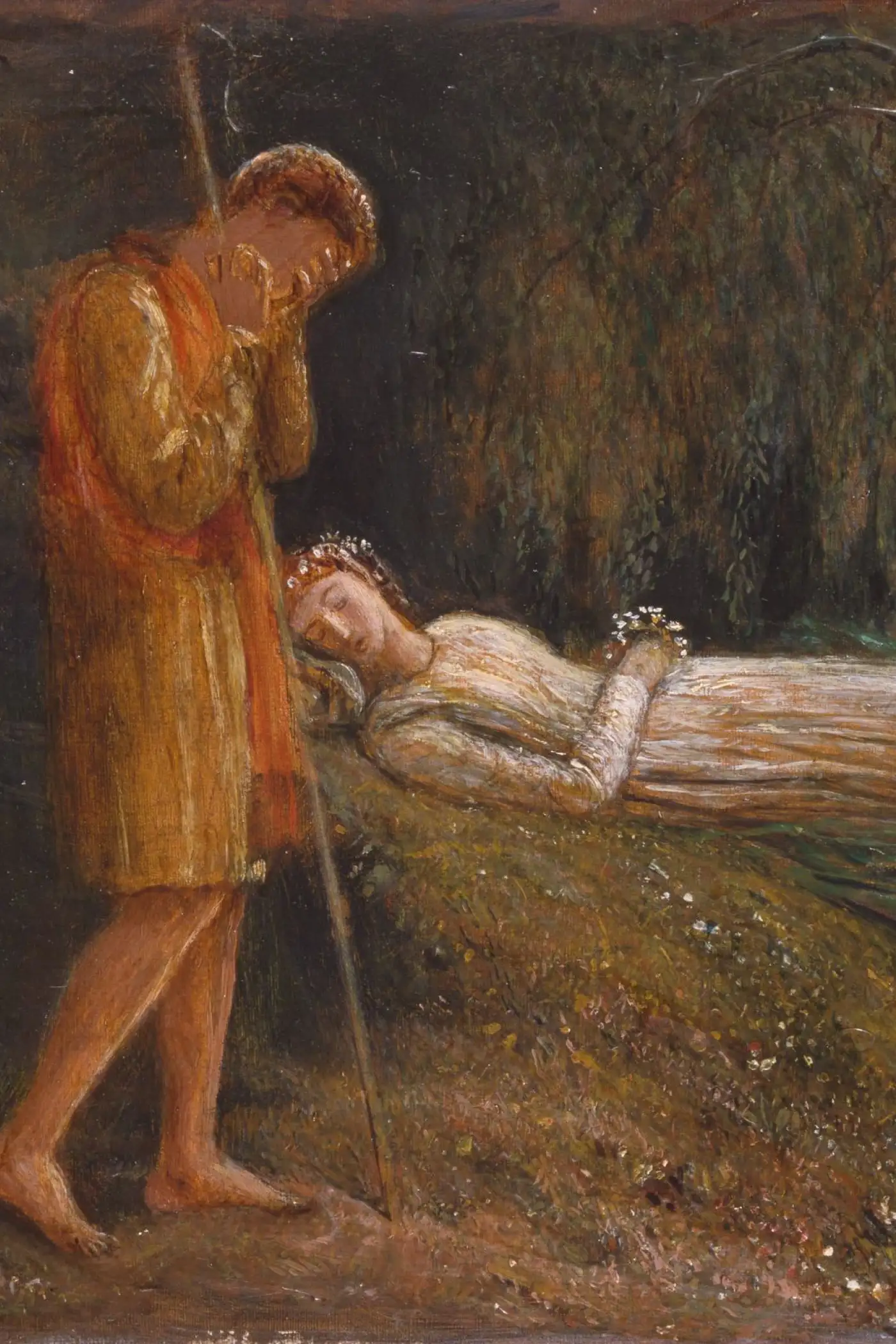
Cymbeline
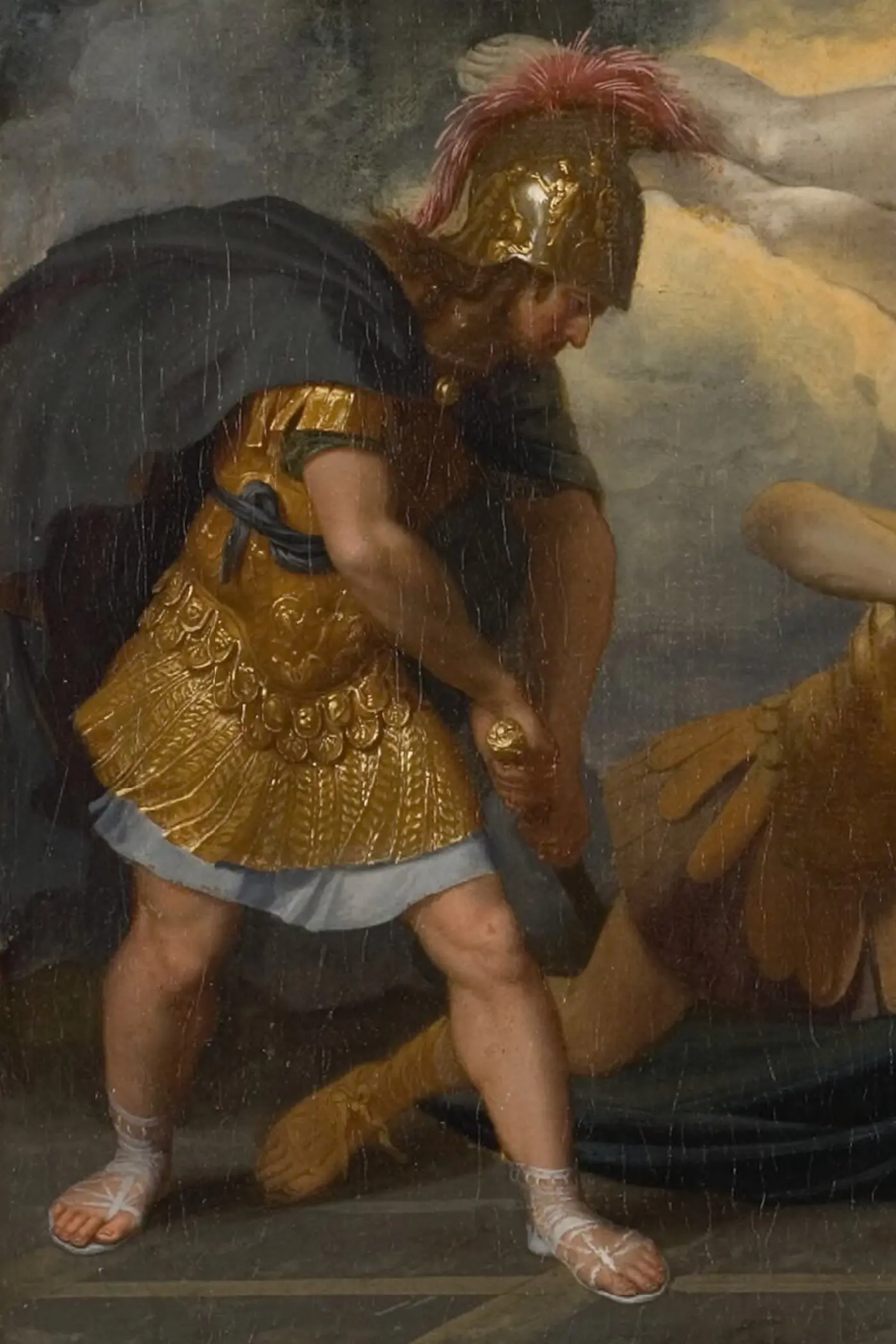
Pericles
Explore by genre
Other authors you may enjoy
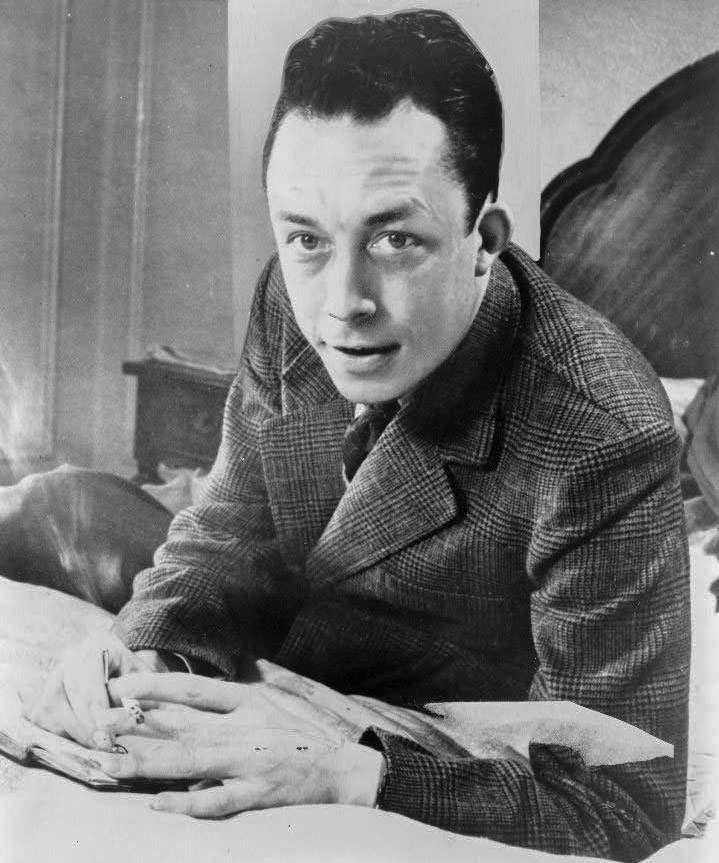
Why William Shakespeare is still read today
William Shakespeare remains the most performed playwright in the world, with his works staged thousands of times annually across every continent. His influence extends far beyond theater—his plays have inspired countless film adaptations, from Akira Kurosawa's Throne of Blood to modern retellings like 10 Things I Hate About You and The Lion King. Shakespeare's exploration of universal human experiences—jealousy, ambition, love, and mortality—continues to resonate with contemporary audiences. In education, Shakespeare is studied at every level from secondary school to doctoral programs, his works serving as foundational texts for understanding dramatic structure, character development, and the English language itself. He coined over 1,700 words still in use today, including "assassination," "bedroom," and "lonely." His insights into political power, psychological complexity, and social dynamics feel remarkably modern, making his four-hundred-year-old plays speak directly to issues of leadership, prejudice, and human nature that define our current moment.
Frequently Asked Questions
What are Shakespeare's most famous plays?
Shakespeare's most celebrated works include the tragedies Hamlet, Macbeth, Othello, and King Lear; the comedies A Midsummer Night's Dream and Much Ado About Nothing; and the romance Romeo and Juliet. His history plays, particularly Henry V and Richard III, are also widely performed.
How many plays did Shakespeare write?
Shakespeare wrote approximately 37-39 plays, depending on how collaborative works are counted. These include tragedies, comedies, histories, and romances written between roughly 1590 and 1613.
Is Shakespeare difficult to read?
Shakespeare's Early Modern English can feel unfamiliar at first, but most editions include helpful annotations. Reading aloud helps capture the natural rhythm of his verse. On TextStack, you can read at your own pace with easy navigation between scenes.
Where should I start with Shakespeare?
For newcomers, A Midsummer Night's Dream offers accessible comedy and magical elements. Romeo and Juliet provides a compelling tragic love story. Macbeth is relatively short and dramatically intense. All are excellent entry points.
Why is Shakespeare still relevant today?
Shakespeare's works explore timeless human concerns—love, jealousy, ambition, mortality—with psychological depth that modern audiences recognize. His plays have been adapted into films, musicals, and novels across every culture, proving his themes transcend time and place.
Essential cookies keep you signed in and save your reading progress. Analytics cookies help us understand how the site is used. You can reject analytics — we still work without them. Learn more in our Privacy Policy.