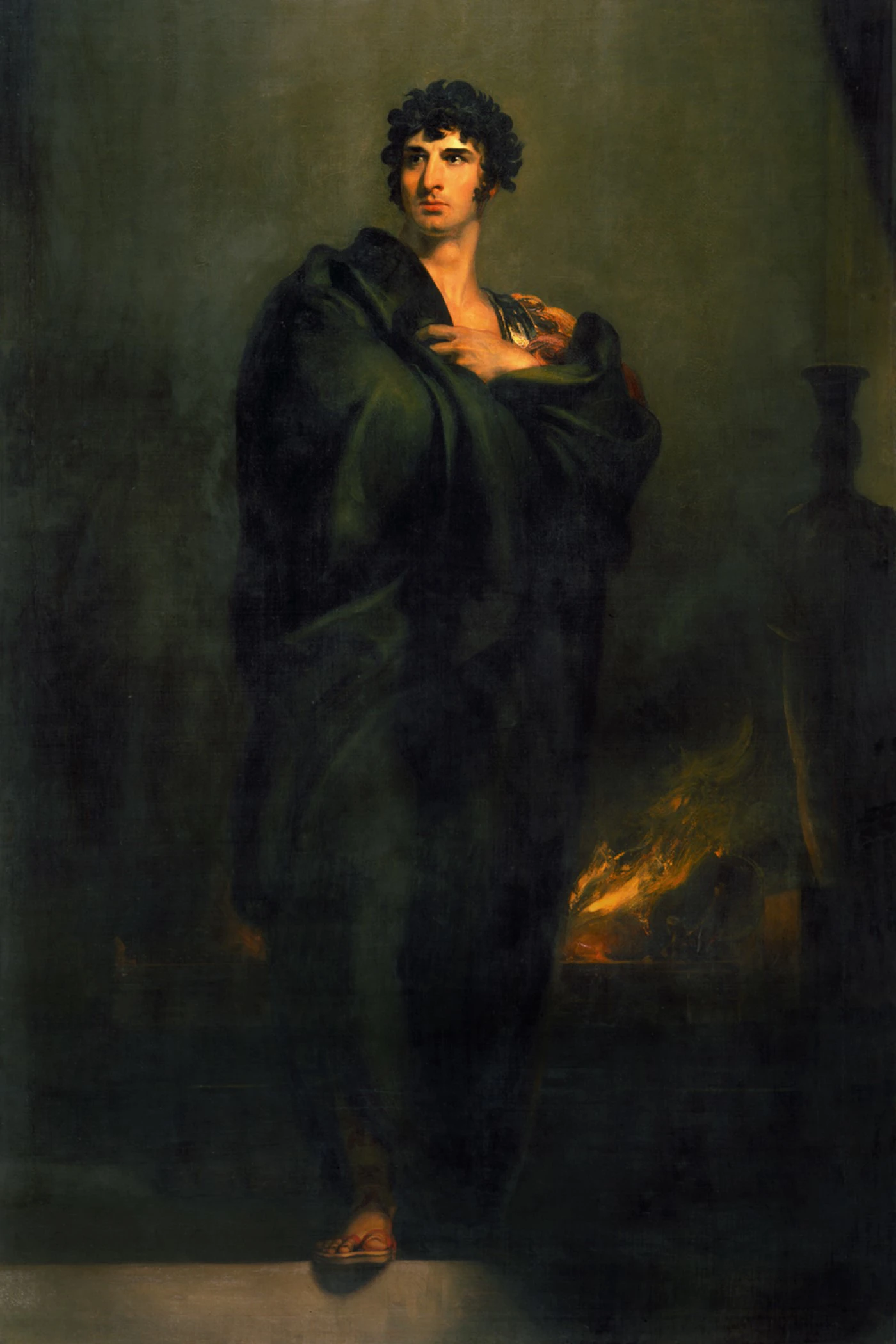
Coriolanus
What is Coriolanus about?
Rome has transitioned from a monarchy to a republic. The last king of Rome was dead, and the Senate and rich aristocrats now control Rome. The citizens are starting to riot due to a food shortage. The plebeians blame the patrician Caius Marcius for hoarding grain and fixing prices, but Marcius believes the citizens don’t deserve grain if they’ve never served in the military. To calm the plebeians, five tribunes are chosen to represent the common people in legal matters. Soon after, a Volscian army attacks, and Marcius leaves the city to fight. After a successful siege on the city of Corioli and the defeat of the Volscian army, Caius Marcius is rewarded with the name of Caius Marcius Coriolanus. He returns to Rome a hero, beloved by both the Senate and the plebeians. Coriolanus is encouraged to pursue politics and run for consul, a position elected by the people. There are others, like the tribunes Brutus and Sicinius, who still remember Coriolanus’ disdain for the plebeians and view him as an enemy. This Standard Ebooks edition is based on William George Clark and William Aldis Wright’s 1887 Victoria edition, which is taken from the Globe edition.
Main themes in Coriolanus
Pride and politics
In Coriolanus, pride and politics provides a lens for understanding the story's core message.
Democracy and elitism
The presence of democracy and elitism in Coriolanus connects readers to its enduring relevance.
Honor and compromise
The theme of honor and compromise weaves through Coriolanus, adding depth to its narrative.
Mother and son
The theme of mother and son weaves through Coriolanus, adding depth to its narrative.
Why Coriolanus is still relevant today
Coriolanus is Shakespeare's most political tragedy, examining democracy, aristocracy, and the relationship between leaders and the people. The proud warrior who cannot compromise with the masses he despises has been produced as both fascist hero and critique of elite contempt for democracy. The play's stark examination of political virtue and popular fickleness resonates in every polarized era.
More by this author
Frequently Asked Questions
What is Coriolanus about?
Roman war hero Coriolanus seeks the consulship but refuses to humble himself before the common people. His pride leads to banishment; he then joins Rome's enemies to attack his homeland. Only his mother's pleas stop him, leading to his death.
Is Coriolanus a hero or villain?
Coriolanus is both. He's genuinely brave and honest but also proud, inflexible, and contemptuous of common people. The play doesn't resolve whether his fall results from tragic nobility or dangerous arrogance.
What is the political message of Coriolanus?
The play has been used by both left and right. It critiques both aristocratic contempt and mob fickleness. Shakespeare refuses to endorse either Coriolanus's elitism or the tribunes' manipulation, leaving political judgment to audiences.
Why does Volumnia stop Coriolanus?
Volumnia, Coriolanus's domineering mother who shaped his warrior values, pleads with him to spare Rome. Her appeal to family and homeland succeeds where political arguments failed, but Coriolanus knows sparing Rome will mean his death.